
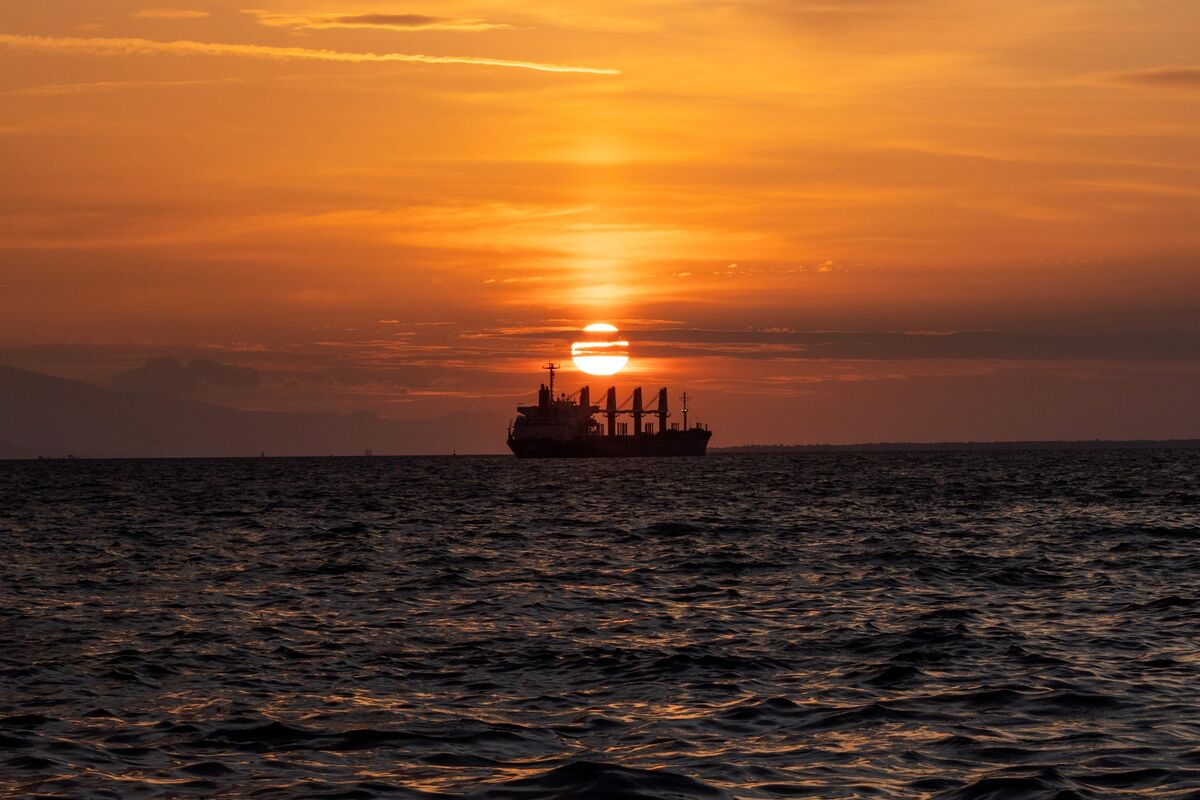
Turkey is taking measures to limit commercial shipping traffic in the Black Sea. This decision comes in response to rising alarm over the increasing frequency of Russian and Ukrainian attacks on ships operating in the region.
The Heightened Tensions in the Black Sea
The Black Sea has become a focal point for geopolitical tension, particularly with the ongoing conflict between Russia and Ukraine. Recent developments have seen a notable uptick in military engagements that have extended to commercial vessels. These hostilities not only pose risks to the safety of shipping but also threaten the economic activities that depend on this vital maritime corridor. Turkey’s restrictions aim to enhance security and ensure the safe passage of merchant vessels.
Turkey’s Strategic Position
As a key player in the region, Turkey holds significant leverage over access to the Black Sea, largely due to its control over the Bosporus Strait. This strategic position allows Turkey to implement regulations and restrictions to mitigate risks associated with the conflict. By imposing limits on vessel movements, the Turkish government is signaling its commitment to maintaining regional stability while safeguarding its own maritime interests.
Implications for Global Shipping
The restriction of commercial ship traffic in the Black Sea could have far-reaching impacts on global shipping routes. The Black Sea serves as a crucial transit point for goods moving to and from various countries. Any disruption can lead to delays and increased shipping costs, affecting trade dynamics beyond the immediate region. Shipping companies and international businesses need to closely monitor developments as they navigate this increasingly complex maritime landscape.
Future Outlook
As the situation evolves, stakeholders in the shipping industry must stay informed about governmental policies and potential changes in maritime laws. The conflict between Russia and Ukraine is likely to continue influencing shipping routes and operational strategies. Turkey’s proactive approach may mitigate some risks, but the overall stability of the Black Sea will depend on broader geopolitical developments. Global shipping stakeholders should prepare for potential challenges and adapt to changes as they emerge in this unpredictable environment.