
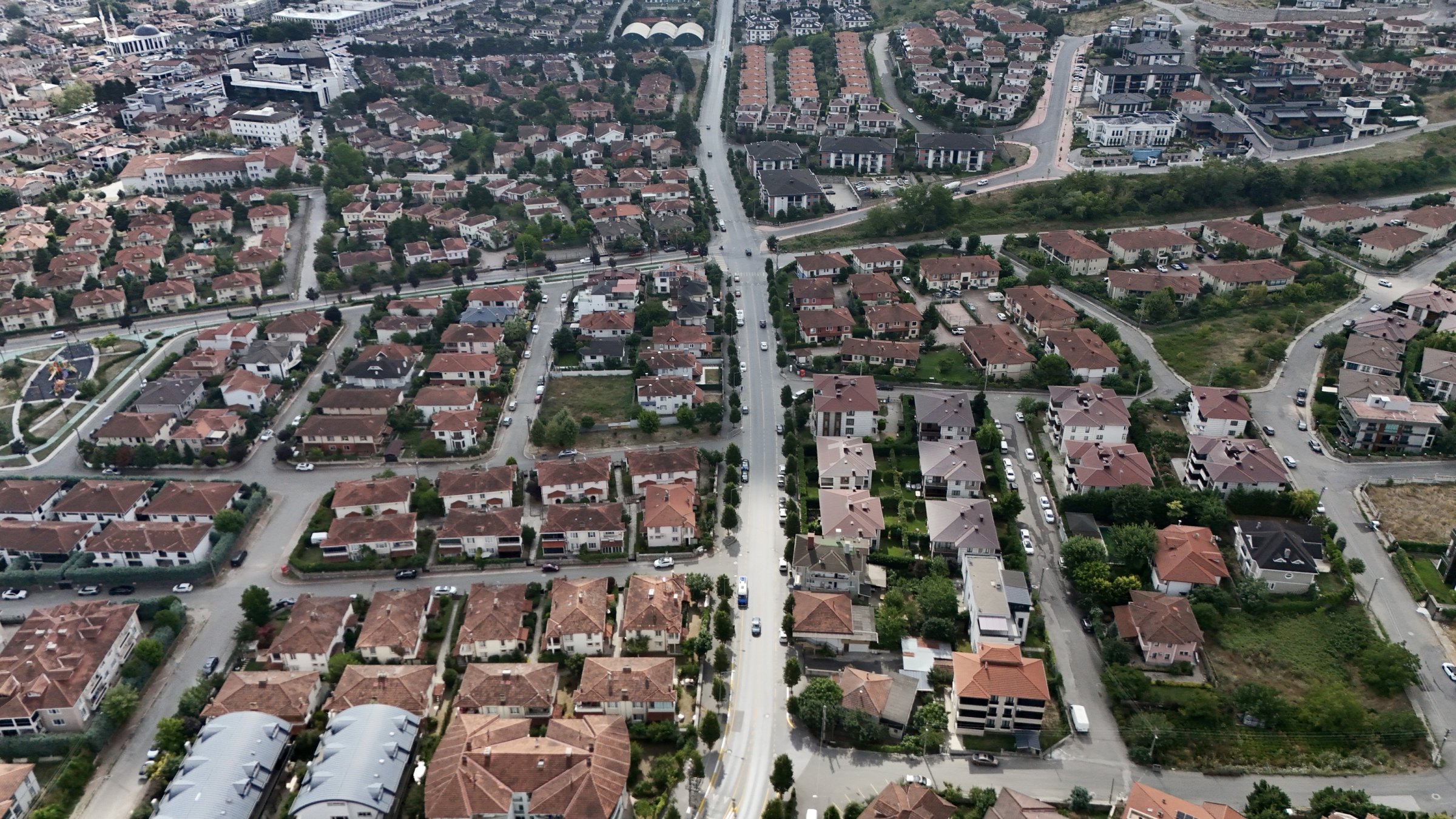
The Marmara earthquake on August 17, 1999, remains a significant part of Türkiye’s history and an essential lesson in disaster preparedness. As Türkiye continues to focus on urban transformation and improving its resilience against future earthquakes, it’s vital to reflect on the events of that fateful day and their lasting impact on the nation.
Impact of the 1999 Marmara Earthquake
At 3:02 a.m., a magnitude 7.4 earthquake struck Gölcük in the Kocaeli province, shaking the Northwestern region for 45 seconds. This calamity caused unprecedented destruction in areas such as Kocaeli, Sakarya, Yalova, and Düzce, extending its reach to Istanbul. As per official reports, the tragedy claimed the lives of 17,480 individuals and left 43,953 injured. Nearly 200,000 people became homeless as approximately 66,000 residences and nearly 11,000 workplaces were destroyed, affecting around 16 million people in the Marmara area.
The aftermath of this disaster served as a crucial turning point in Türkiye’s approach to earthquake preparedness. In the years that followed, the nation saw significant reforms in building codes, disaster response protocols, and urban planning. Commemoration ceremonies were held this week to honor the lives lost, with gatherings taking place at the exact time the earthquake struck, allowing survivors and families of those affected to pay their respects.
Urban Transformation and Reconstruction Efforts
Istanbul was significantly impacted, with 981 deaths reported, including victims from surrounding areas who were in the city for medical treatment. The earthquake damaged almost 41,000 structures, leaving more than 18,000 homes uninhabitable due to structural failures. The district of Avcılar faced the brunt of the destruction, where 270 individuals lost their lives and thousands of buildings were damaged to varying degrees.
In response to this calamity, a significant push for urban renewal and reconstruction was initiated. Various stakeholders, including the government, municipal bodies, and the private sector, embarked on ambitious urban transformation projects across the region. Thousands of earthquake-resistant homes were constructed, and public buildings such as schools and hospitals underwent retrofitting in line with updated seismic regulations.
Kocaeli, which recorded the most fatalities at 9,477, continues to modernize its urban landscape through major transformation projects like the Cedit Neighborhood On-site Urban Transformation Project, which is nearing completion. Similar redevelopment efforts are taking place in Gölcük’s Merkez neighborhood.
Long-term Economic Growth and Disaster Preparedness
Sakarya, where 3,891 lives were lost, also took significant steps toward enhancing earthquake resilience. The province has embraced low-rise building policies and expanded its supply of earthquake-resistant housing. Ongoing urban transformation efforts are complemented by investments in disaster preparedness, highlighted by the establishment of a dedicated Disaster Coordination Center.
The post-earthquake era has not only led to improved infrastructure but has also spurred economic growth in both provinces. Kocaeli has emerged as Türkiye’s automotive export powerhouse, while Sakarya has broadened its industrial landscape, boosting its annual export figures to nearly $6 billion.
Reflecting on the lessons learned from the 1999 Marmara earthquake, Türkiye stands as a testament to resilience and transformation, continually striving to enhance its preparedness against future natural disasters while fostering economic growth and urban revitalization.