
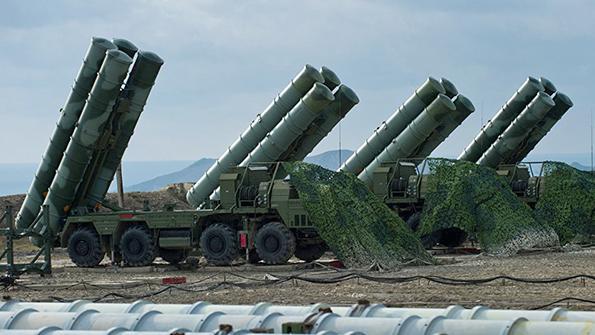
Turkey is currently in discussions with Russia regarding the potential sale of the S-400 air defense system, a controversial acquisition that previously resulted in Ankara’s expulsion from the F-35 Joint Strike Fighter program. This negotiation marks a significant development in Turkey’s defense strategy and international relations, emphasizing the geopolitical complexities surrounding military procurements.
Overview of the S-400 System
The S-400, an advanced surface-to-air missile system, has been a focal point of international tensions due to concerns over its compatibility with NATO systems and its implications for regional security. When Turkey purchased the S-400 from Russia, it faced backlash from the United States and other NATO allies, leading to its removal from the F-35 program—an advanced joint fighter initiative crucial for next-generation air superiority. This sale aimed to enhance Turkey’s defense capabilities, but it shifted the dynamics of Turkey’s relationships with Western allies.
Pursuing a Resale to Gulf States
Recent reports suggest that Turkey is looking to sell the S-400 to a Gulf state, although specific details regarding the buyer remain undisclosed. This potential resale could open avenues for Turkey to recoup some of its substantial investment while alleviating some diplomatic pressures stemming from its initial acquisition. It indicates a strategic pivot, allowing Turkey to leverage its defense assets in a way that might strengthen its standing and relationships within the Middle East.
Geopolitical Implications
The discussions around the resale of the S-400 system are likely to have far-reaching geopolitical consequences. For instance, if a Gulf state successfully acquires the system, it may alter the existing military landscape in the region, leading to shifts in defense postures. Additionally, this move could potentially complicate Turkey’s relations with other Gulf nations, particularly those aligned with the U.S. or opposed to Russian influence. It represents a balancing act for Turkey as it navigates the intricacies of regional alliances and global defense strategies.
Furthermore, this significant sale could also have a ripple effect on NATO’s operational integrity. Concerns about interoperability arise when NATO members, such as Turkey, utilize non-NATO defense equipment like the S-400. This situation could prompt NATO leaders to re-evaluate defense mechanisms and collaboration protocols among member states in light of Turkey’s actions.
Conclusion
Turkey’s negotiations with Russia regarding the S-400 not only reveal the complexities of its defense landscape but also highlight the shifting alliances and geopolitical challenges in the Middle East. As Turkey moves forward with these talks, it will need to balance its national interests with the diplomatic ramifications that accompany arms sales in a volatile region. This situation serves as a poignant reminder of the intricate web of relationships in global defense dynamics, signaling that Turkey is not only focused on enhancing its military capabilities but is also actively engaging in reshaping its strategic partnerships. The world will be closely watching how this situation develops and the potential consequences that may arise from Ankara’s decisions.