
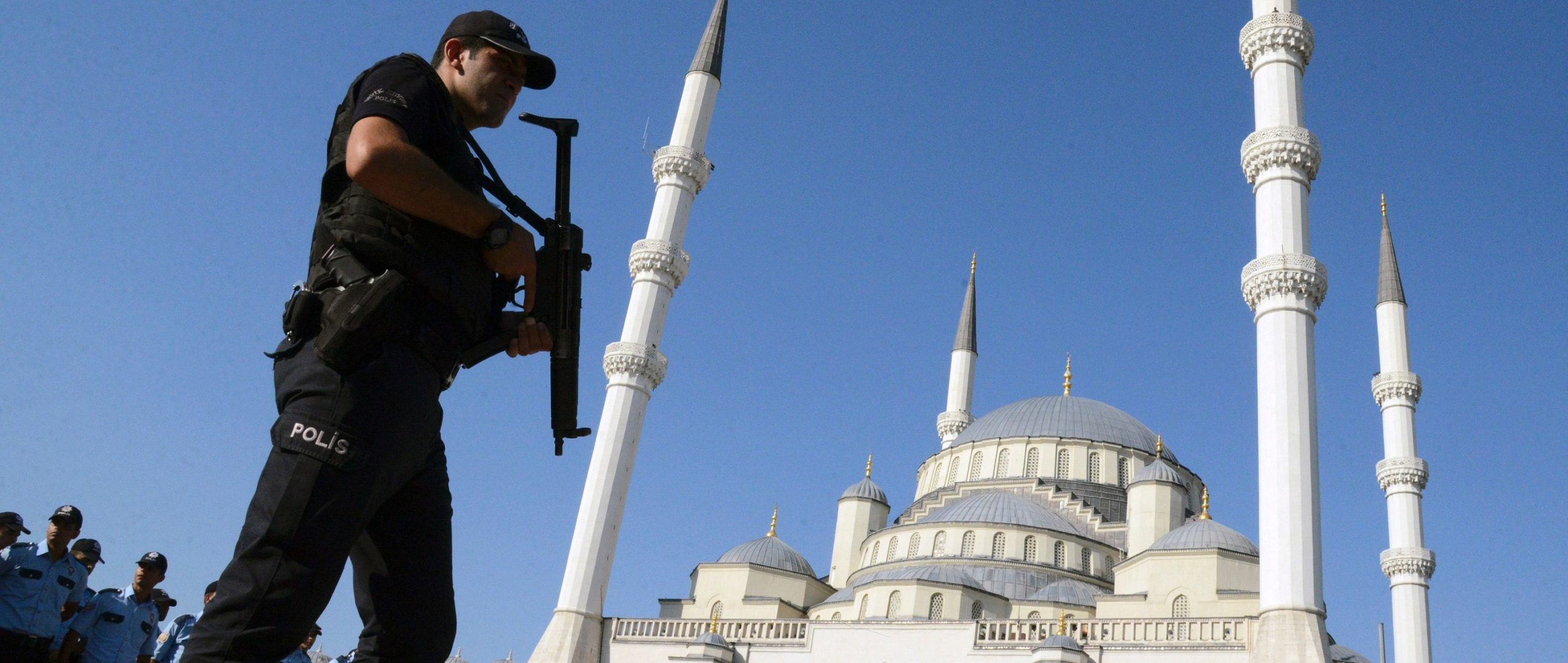
The recent implementation of a 13-day protest ban in Ankara, coinciding with the NATO summit, has sparked significant concern among human rights advocates. Over 100 individuals, including lawyers, academics, and activists, have been detained ahead of this prominent political event. Esther Major, Amnesty International’s Deputy Director for Research in Europe, has voiced strong opposition to these developments, emphasizing the need to uphold essential freedoms.
Urgent Call for the End of the Protest Ban
Esther Major declared that the sweeping prohibitions against protests in Ankara should be rescinded immediately. She argued that the detentions tied to the NATO summit are arbitrary and constitute a violation of fundamental rights related to peaceful assembly and expression. The sweeping nature of the ban represents an excessive intrusion on personal liberties, leading Major to stress that authorities should actively foster and safeguard the right to protest. It is imperative that vague national security claims not be used as justification for unlawfully detaining individuals without substantiated evidence of any misconduct.
The Dangers of Pretrial Detention
In her remarks, Major highlighted that pretrial detention should only be used in the most exceptional circumstances and cannot serve as a tool to stifle individuals from exercising their rights to peaceful assembly and expression. The current broad and disproportionate restrictions on assembly rights must be eliminated. Such measures not only undermine democratic freedoms but also set harmful precedents regarding the treatment of dissent in Türkiye.
Concerns for Media Freedom
Furthermore, concerns have also been raised regarding NATO’s decision to deny accreditation to certain journalists and media organizations from Türkiye. This action is viewed as a significant setback for media freedom, as it restricts the ability of independent journalists to report on essential issues surrounding the summit. Major urged NATO to reverse its decision and allow all journalists the opportunity to cover the event, thereby ensuring a more balanced and comprehensive portrayal of the discussions taking place.
Background on the Ban and its Implications
The Ankara Governorate instituted the province-wide protest ban, which lasts from June 28 to July 10, citing national security and precautionary measures surrounding the NATO summit as the rationale. The ban aims to restrict unauthorized individuals and vehicles from entering sensitive locations associated with the event. A statement from the Ankara Chief Public Prosecutor’s Office indicated that, during pre-summit operations, a total of 225 individuals were detained, with over 100 facing pretrial detention and others subjected to judicial control measures.
As we reflect on these developments, it is crucial to advocate for the protection of civil liberties. Restricting the right to assemble and express dissent not only endangers individual freedoms but also weakens the democratic fabric of society. The international community must remain vigilant, applying pressure to ensure that these rights are respected and upheld, especially in the context of major political events like the NATO summit. The recent actions in Ankara serve as a stark reminder of the ongoing struggles for freedom and justice that many face around the world.