
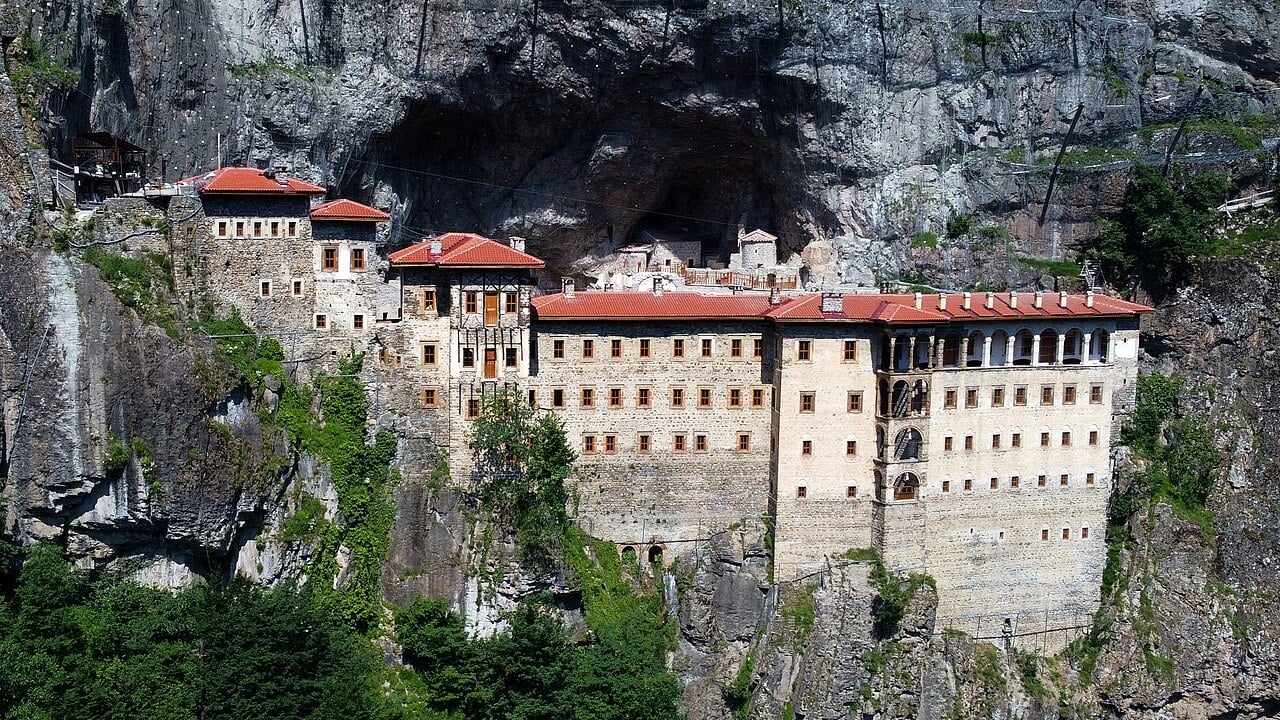
The historic Panagia Soumela Monastery, located in Turkey’s Black Sea region, faces yet another year without a Divine Liturgy on August 15, coinciding with the Dormition of the Virgin Mary. This decision comes as Turkish authorities have denied the Ecumenical Patriarchate permission to celebrate this significant event, which holds immense spiritual importance for millions of Christians worldwide.
Altered Religious Observances
Instead of the traditional Liturgy on August 15, regional officials have approved a service on August 23, marking the Apodosis, or the leave-taking of the feast, known as Enniamera in Greek. The Ecumenical Patriarchate in Constantinople has confirmed this change, indicating that it was anticipated due to continued political pressures from nationalist groups in Turkey. The situation underscores the intertwining of religious practices and political factors that influence freedom of worship in the country.
Political Pressures and Cultural Significance
The refusal to host the Liturgy on August 15 is largely attributed to the ongoing political dynamics in Turkey, where nationalist factions argue that this date marks the anniversary of the Ottoman Empire’s conquest of Trabzon in 1461. Their campaigns against Christian Orthodox observances contribute to a broader narrative regarding the historical significance of this date, making it contentious. Since 2024, the Turkish government has leaned towards accommodating these nationalist demands, effectively ending a decade-long period of religious access that allowed for broader participation in the ceremonies at the monastery.
For Orthodox Christians, particularly those of Pontic Greek descent, Panagia Soumela holds immense spiritual significance. Nestled on a steep cliff in Macka district, the monastery is a reminder of their heritage, which was deeply impacted by the population exchange between Greece and Turkey in 1923. This historical backdrop adds layers of emotional and cultural weight to the site, as it remained largely dormant for nearly nine decades until the Turkish government allowed limited access for religious celebrations in 2010.
The Impact on Pilgrimages
The altered date for the service results in a substantial disruption of what was once a crucial pilgrimage for thousands each year. Between 2010 and 2023, thousands of pilgrims from various nations traveled to the area to participate in the Liturgy, connecting with their roots and honoring their heritage. However, attendance has noticeably dwindled in the last two years since the ban was imposed. The August 23 service, while maintaining some level of worship, falls short of the traditional pilgrimage that culminated on August 15, affecting the communal experience that many beloved.
The diaspora community reports a stark decline in participation, a sentiment further exacerbated by administrative uncertainties surrounding permission issuance from Turkish authorities. Over the past three years, delays in permits have led to increased anxiety regarding the organization of the service. With last-minute confirmations, many in the diaspora find it challenging to make travel arrangements, further diminishing the likelihood of attendance.
As the situation develops, it highlights the ongoing tension between religious freedom and nationalistic sentiments in Turkey. The future of the Panagia Soumela Monastery, along with its role in hosting Divine Liturgies, remains uncertain as political influences continue to dictate the terms of religious observance in the region.