
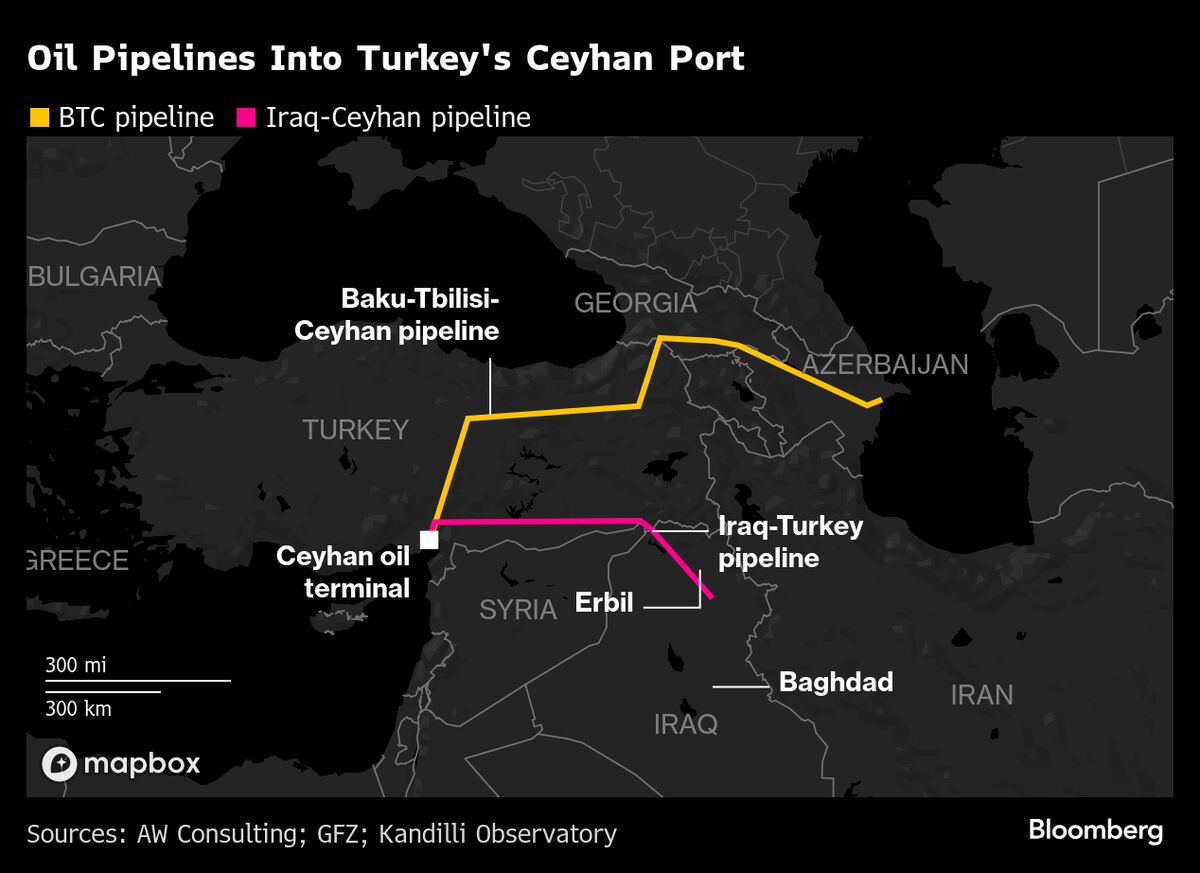
Turkey has reportedly reached a one-year extension on an oil pipeline agreement with Iraq, allowing for continued supply through a critical export route that circumvents the Strait of Hormuz. This extension is significant as it provides stability in an essential energy corridor amidst fluctuating global tensions.
Importance of the Oil Pipeline Agreement
The renewal of the oil pipeline deal between Turkey and Iraq holds substantial implications for both nations. Turkey plays a pivotal role as a transit country for Iraqi oil, enabling supplies to flow to international markets without relying solely on the crowded and strategically sensitive Strait of Hormuz. This body of water is notorious for its vulnerability to geopolitical tensions and disruptions, thus the agreement alleviates some of the risks associated with oil transport in the region.
Moreover, Iraq stands to benefit from stable revenues that arise from uninterrupted oil exports. The country has made efforts to boost its oil output as part of its economic recovery strategy, and securing a reliable export route is essential for achieving those goals. The continued partnership with Turkey not only helps to safeguard these exports but also bolsters Iraq’s status as a vital player in global energy markets.
Strategic Geopolitical Implications
The extension of the pipeline agreement also reflects broader geopolitical dynamics in the Middle East. With increasing tensions in surrounding regions, this arrangement enables both Turkey and Iraq to assert greater control over their energy resources. By diversifying their export routes, they reduce the impact of external pressures and mitigate risks that could arise from conflicts or sanctions involving neighboring countries.
Additionally, this deal serves as a reminder of Turkey’s growing influence in the energy landscape, positioning it as a key connector between oil-rich regions and international markets. As countries look to secure energy supplies, Turkey’s role as a facilitator of oil transport could see further expansion. This development is consistently linked to Turkey’s broader ambitions in regional politics and economics.
Future Challenges and Opportunities
While the one-year extension provides immediate relief for Iraq’s energy exports, it also presents future challenges. The volatility of oil prices and the ever-shifting political environment in both countries necessitate ongoing negotiations and adaptability in the agreement. Furthermore, economic conditions and energy demands are subject to rapid changes, which means that both Iraq and Turkey must ensure that their infrastructure and policies are prepared to respond to these fluctuations.
In conclusion, the recent agreement between Turkey and Iraq to extend their oil pipeline partnership illustrates the critical balance of energy security, geopolitical influence, and economic stability in the region. As both countries navigate the complexities of their relationship, this pipeline deal will likely serve as a vital component in their broader strategies. Investors and stakeholders in the energy sector should closely monitor how this agreement unfolds and its implications for future energy transport and economic growth.