
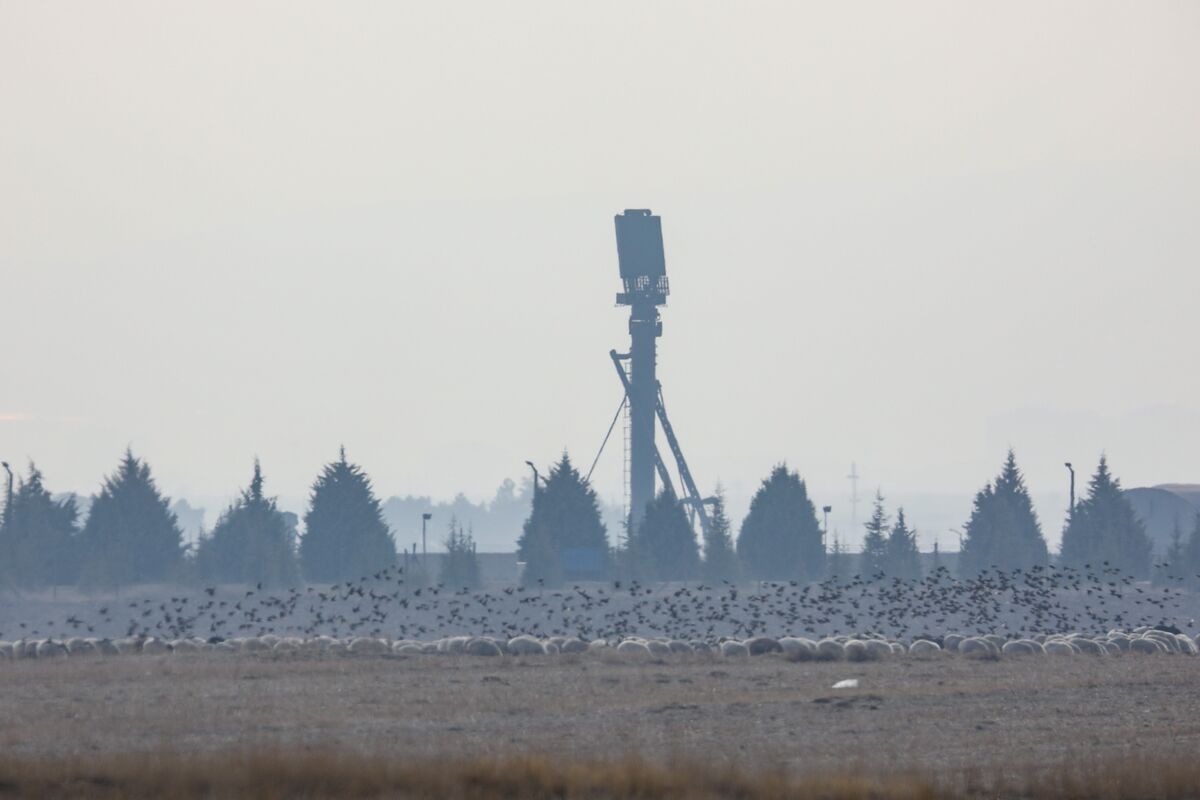
Turkey is currently in discussions with Russia regarding the transfer of air defense systems it acquired from Moscow to another nation. This strategic move is part of Turkey’s broader initiative to pave the way for the acquisition of US-made F-35 fighter aircraft.
Turkey’s Air Defense Systems
Turkey has invested significantly in Russian air defense technology, notably the S-400 systems. This purchase has been a subject of controversy, particularly concerning relations with the United States, which has raised security concerns and threatened sanctions. The S-400 systems are advanced, offering Turkey significant capabilities, but their integration into NATO systems is complex. By seeking approval to transfer these systems, Turkey aims to address some of the geopolitical friction arising from its defense choices.
Implications for NATO Relations
Turkey’s interactions with Russia have raised eyebrows among NATO allies. The potential transfer of the S-400 systems could have implications not only for Turkey’s relationship with the US but also for the overall dynamics within NATO. The alliance has been increasingly focused on collective security and interoperability, and the presence of Russian technology in a member state raises questions about intelligence-sharing and defense readiness.
Furthermore, Turkey’s desire to procure F-35 fighter jets highlights its intent to advance its military capabilities while balancing relationships with both the US and Russia. The F-35 program is integral for NATO’s technological edge, and Turkey’s participation has been hampered by its previous decision to procure the S-400 systems. Therefore, the potential transfer could facilitate Turkey’s reintegration into the F-35 program, enabling it to modernize its air force.
The Path Forward for Turkey
Turkey’s government is navigating a complex landscape as it seeks to reconcile its defense strategy with international diplomatic relations. Approvals to transfer air defense systems may also enhance its bargaining position with the US. In doing so, Turkey could demonstrate flexibility in its defense acquisitions, showing a willingness to adjust its stance for broader military cooperation.
Negotiating these transfers will require deft diplomacy. Turkey has to ensure that it maintains a robust defense posture while also satisfying the concerns of its NATO allies. As global dynamics shift, Turkey’s actions will be scrutinized not just for immediate results but for their long-term implications on regional security and alliances.
Ultimately, Turkey’s quest to balance relations with both Russia and the US exemplifies the complexities of modern defense politics, where decisions have far-reaching consequences. The outcomes of these discussions on air defense systems and F-35 procurement will be pivotal for Turkey’s strategic positioning in the evolving geopolitical landscape.