
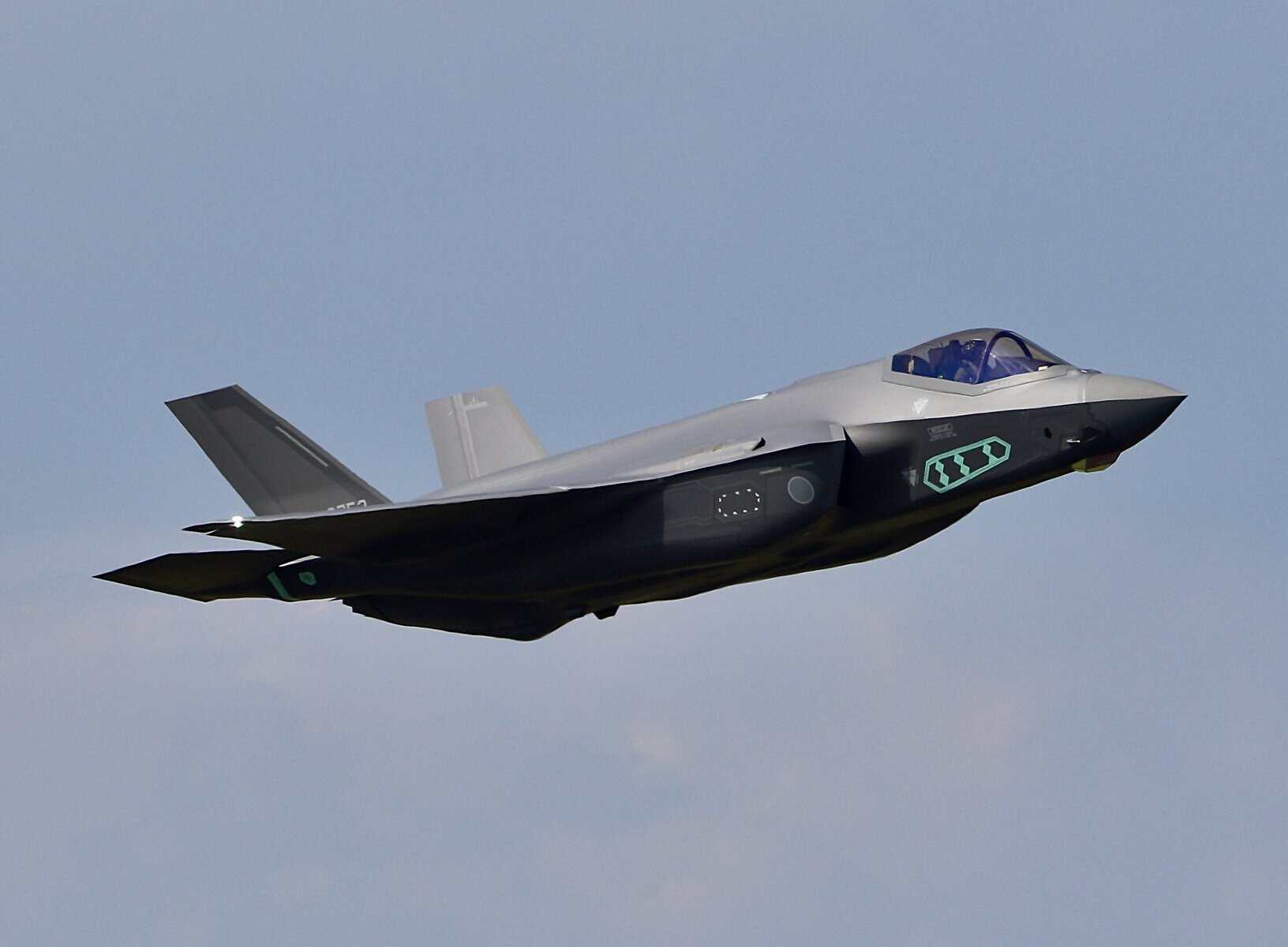
Turkey’s Absence from the F-35 Program: Unmet U.S. Requirements
Turkey continues to face challenges in rejoining the F-35 fighter jet program due to unresolved requirements set by the United States. This situation has significant implications for Turkey’s defense capabilities, affecting both its military strategy and international relationships.
Overview of the F-35 Program and Turkey’s Involvement
The F-35 program, which includes advanced stealth capabilities and cutting-edge technology, has been pivotal in reshaping modern air combat. Turkey was initially a partner in this ambitious initiative, contributing financially and participating in development. However, tensions emerged following Turkey’s acquisition of the Russian S-400 missile defense system, leading to a fallout with the U.S. Consequently, Turkey was removed from the F-35 production program, unable to receive the aircraft it had sought.
The Turkish government’s procurement of the S-400 system raised national security concerns within the U.S. and NATO. The advanced Russian system was perceived as incompatible with NATO’s defense strategies, prompting U.S. officials to impose stringent conditions for Turkey’s continued participation. As a result, Turkey’s future in the F-35 program hangs in the balance, creating a complicated defense environment.
Current Implications for Turkey’s Military
The absence of the F-35s has forced Turkey to reevaluate its defense strategy. The country had planned to integrate these advanced jets into its air force to enhance its capabilities against potential threats. While Turkey has announced intentions to develop its fifth-generation fighter aircraft, the road ahead will be long and fraught with challenges, given the technological expertise required for such endeavors.
Moreover, the ongoing exclusion from the F-35 program has economic repercussions. Turkey’s defense industry has relied on the program for both funding and technological advancement. The loss of access to F-35 technology affects not only military readiness but also the broader defense sector, which was poised to benefit from collaborations associated with the program.
Future Prospects and Diplomatic Efforts
In light of these challenges, Turkey’s government has been engaged in diplomatic efforts aimed at restoring relations with the U.S. and maintaining its strategic military ambitions. Discussions have focused on addressing U.S. concerns regarding the S-400 system and exploring potential compromises. However, the effectiveness of these negotiations remains to be seen, as both sides grapple with their respective national interests.
The outcome of these efforts will significantly influence Turkey’s military future and its alignment with NATO. As the international landscape evolves, the importance of maintaining strong defense capabilities will be paramount for Turkey, making the resolution of this issue crucial for its national security strategy and international standing.
In summary, Turkey’s inability to fulfill U.S. requirements for rejoining the F-35 program creates complex challenges for its military and diplomatic strategies. The implications extend beyond immediate defense capabilities; they also shape Turkey’s relationships with key allies and its future in the global defense arena.