
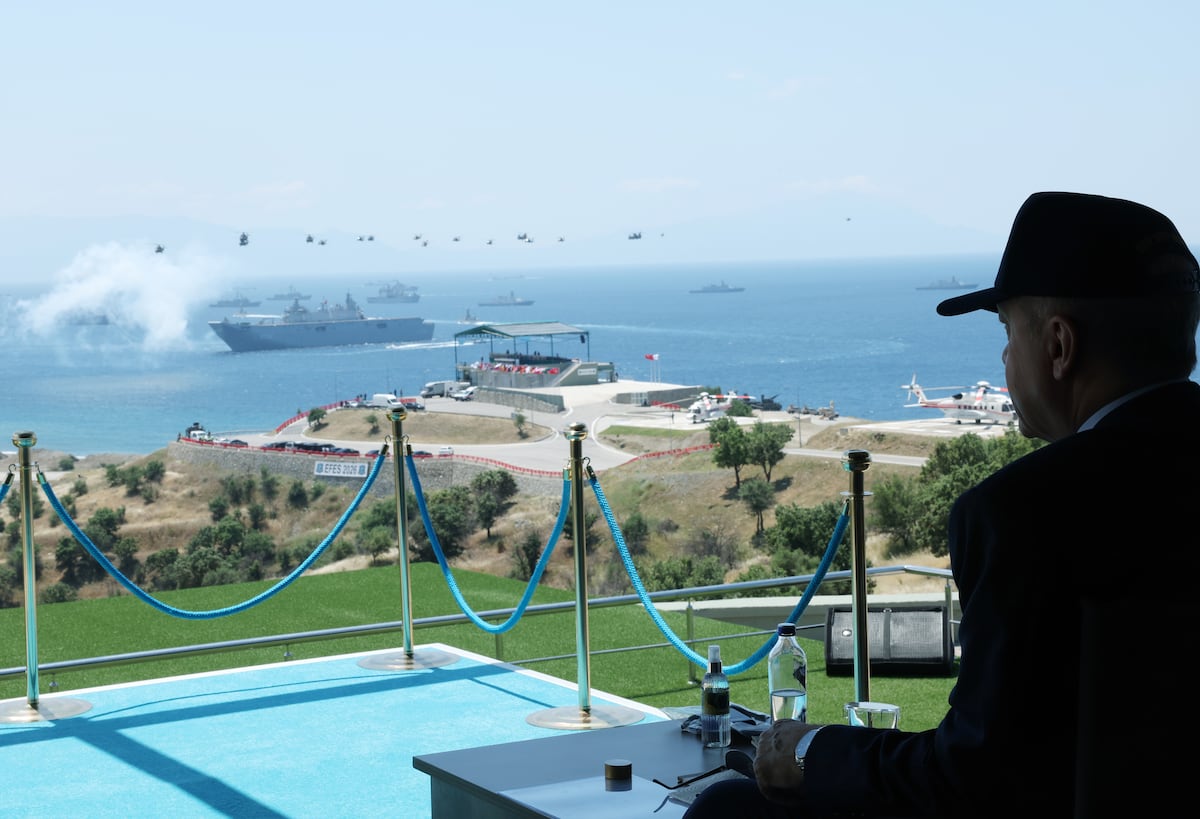
This week, Ankara will host a pivotal NATO summit, with Turkey emphasizing the need for member nations to reaffirm the vital principle of collective defense outlined in Article 5. Turkish Defense Minister Yaşar Güler stresses that the July 7-8 assembly represents a crucial juncture for NATO as it underscores the alliance’s commitment to adapt in the face of shifting security dynamics.
The Changing Security Landscape in Europe
As the conflict in Ukraine enters its fifth year and tensions in the Middle East persist, Turkey believes its strategic importance within NATO is increasingly recognized. The summit arrives at a time when NATO is reevaluating its identity, particularly in light of changing U.S. priorities and the evolving threats posed by Russia, necessitating a more robust European defense posture. Güler highlighted that to maintain effective defense capabilities, Europe must invest more and fill in the gaps left by U.S. military restructuring.
Turkey’s Role in NATO and Euro-Atlantic Security
Güler remarked on Turkey’s strong military capabilities and advanced defense industry, insisting these assets will keep Turkey integral to NATO’s mission for both Euro-Atlantic security and regional stability. The upcoming Defense Industry Forum, coinciding with the NATO Summit, is anticipated to foster closer industrial cooperation among member states. Güler firmly believes that Turkey’s advancements in the defense sector will serve as a key asset for the alliance during this critical summit.
Experts echo Güler’s sentiments on Turkey’s rising influence. Serhat Süha Çubukçuoğlu, a senior fellow at TRENDS Research and Advisory, noted that Turkey’s burgeoning defense industry enhances its standing within NATO. However, he warns that Turkey’s increased clout could face challenges stemming from the political intricacies between NATO and the European Union. He alluded to the negative impact of U.S. isolationist policies, which might drive NATO towards a more European-centric focus. This shift is exemplified by Turkey’s exclusion from the SAFE program despite its NATO membership, a direct consequence of Greek and Cypriot political maneuvers.
Turkey’s Strategic Partnerships
Megan Elizabeth Gisclon, managing editor at the Istanbul Policy Center, points out that Turkey’s extensive military and its diplomatic connections with both Middle Eastern countries and Russia provide a diverse range of contributions to NATO. The balancing act of these relationships enhances Turkey’s ability to operate effectively within the alliance while navigating the complex geopolitical landscape.
As Turkey prepares to host this significant NATO summit, all eyes will be on how the discussions shape alliances, strategies, and responses to emerging threats. The Turkish government is keen to capitalize on its defense initiatives and consolidate its role as a linchpin for stability in a tumultuous world. As NATO continues to evolve, Turkey’s position and influence could play a crucial role in determining the future of European defense and new approaches to regional challenges.