
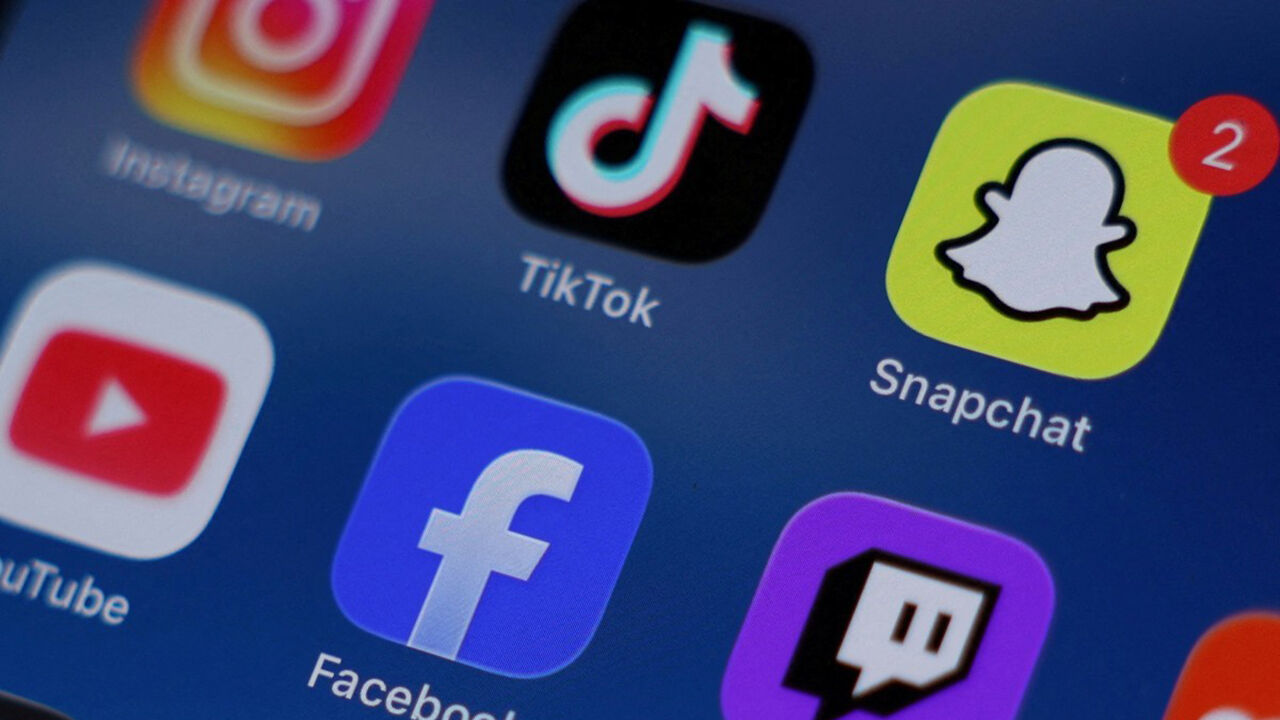
As a wave of regulatory measures to limit children’s access to social media gains momentum globally, Turkey is set to implement a ban on social media usage for individuals under 15 starting in November. This initiative reflects a growing concern over the impact of social media on younger demographics.
Turkey’s New Social Media Legislation
On October 10, the Turkish government unveiled a bill aimed at prohibiting children under the age of 15 from accessing social media platforms. This legislation, which was previously passed by the Turkish parliament in April, will come into effect on November 1. Not only does the law restrict access for minors, but it also bars platforms from offering addictive services to users aged 15 and over.
To adhere to these new regulations, social media companies will be required to implement robust technical and administrative measures, including age verification processes. This step represents a significant regulatory shift aimed at safeguarding children from potential online harms.
Wider Global Context of Social Media Regulation
Turkey is not acting in isolation; other regions are also exploring similar legislative efforts. The European Union proposed regulations in September to limit children under 15 from accessing social media and video-sharing sites. Additionally, countries like Austria, Denmark, France, Greece, and Spain are actively working on their own laws to curb minors’ access to these platforms. Reports indicate that the United Kingdom is considering introducing similar regulations next year, while Canada is discussing proposals to control social media access for individuals under 16.
This collective movement highlights a growing concern among various governments about the implications of social media on youth development and mental health. By introducing restrictions, these nations aim to create safer online environments for children.
Turkey’s History of Social Media Regulation
Despite implementing protective measures for minors, Turkey has faced scrutiny from human rights organizations regarding its approach to social media and freedom of expression. The country has a history of blocking personal accounts linked to media outlets and activists, often citing national security as a reason. For instance, access to Instagram was denied for a week following allegations that the platform censored posts related to the death of Ismail Haniyeh, a Hamas leader killed in 2024.
Recently, Turkish courts have also shut down news websites and social media profiles considered to promote LGBTQ content, illustrating the complexity surrounding social media regulations in Turkey.
The Future of Internet Freedom in Turkey
International assessments, such as those from Freedom House, categorize Turkey’s internet environment as “not free,” underscoring the ongoing tensions between regulation, freedom of expression, and human rights. As Turkey moves forward with these new laws, observers will be keen to see how they balance the need to protect minors while potentially limiting broader freedoms online.
In this evolving landscape, the challenge remains: how to foster a safe digital space for children without infringing upon the fundamental rights of all users. As the discourse around social media continues to evolve, Turkey’s actions may serve as a crucial case study for other nations grappling with similar issues.