
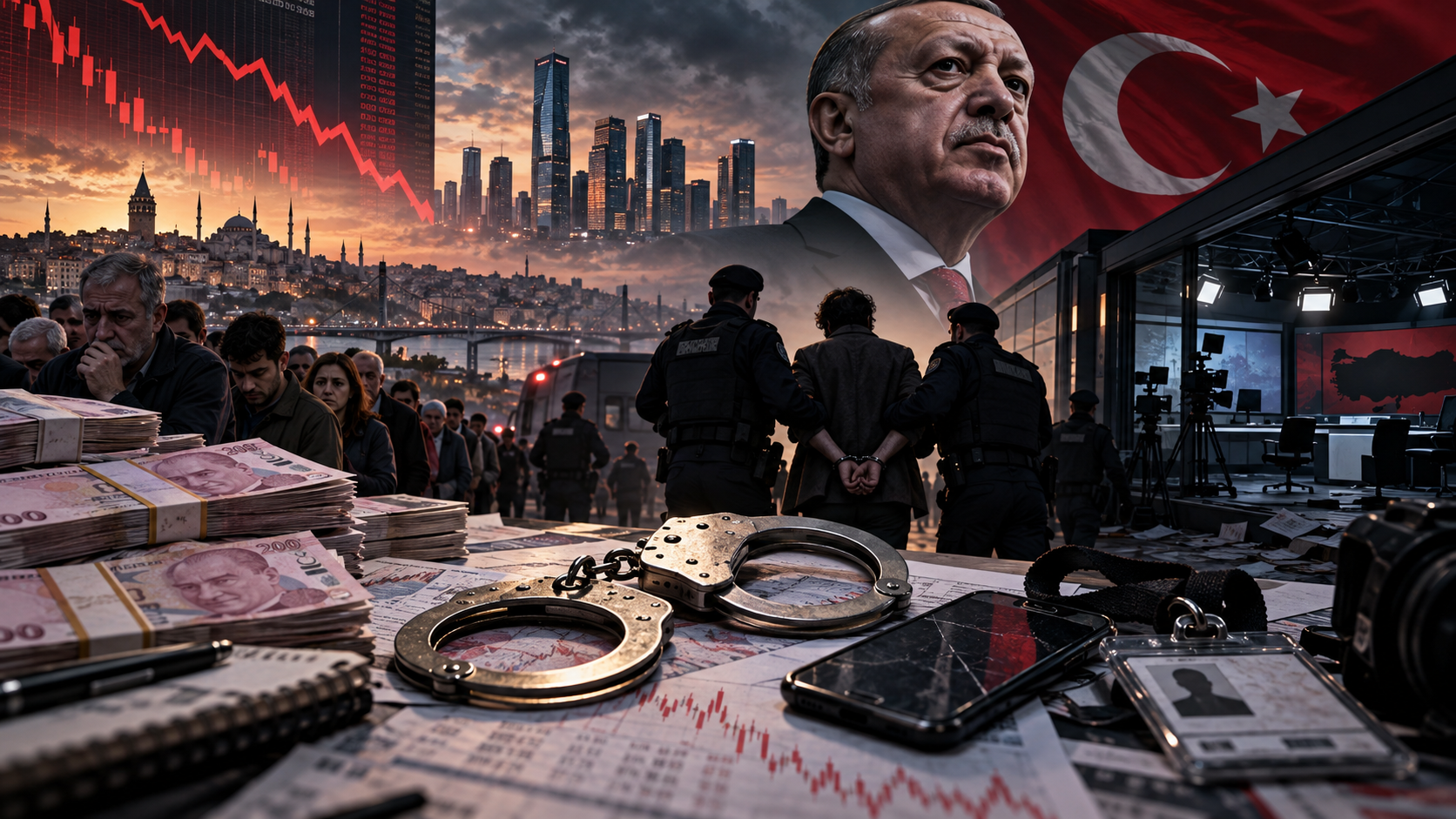
On October 15, a significant event unfolded in Turkey as the crisis surrounding the collapse of $20 billion in investment funds escalated into a broader political and media affair. Reports emerged of police detaining journalists, numerous social media accounts being blocked, and an independent television channel being seized by the authorities.
The Fund Crisis Unfolds
This financial turmoil began in mid-September when Pusula Portföy, a prominent asset management company, became unable to fulfill requests from investors wishing to withdraw their money. The ripple effect led to pressure on other asset management firms, including Tera Portföy. The incident triggered a selloff on Borsa Istanbul, Turkey’s main stock exchange, prompting swift intervention from financial regulators. The Capital Markets Board of Turkey ordered the liquidation of 131 investment funds managed by several companies, impacting approximately 455,758 individual investors with assets totaling around $18 billion.
The crisis centered on funds that had invested heavily in shares of smaller companies, which had limited trading activity. Although rising prices initially created substantial paper gains, many funds struggled to liquidate assets when investors sought withdrawals. In response, public prosecutors initiated investigations into alleged market manipulation, fraud, and irregular financial transactions, but no formal judicial decisions have yet ascribed blame for the collapse.
Political Connections and Investigations
As the investigation unfolded, connections to high-profile political figures emerged, particularly those associated with President Recep Tayyip Erdogan’s ruling Justice and Development Party (AKP). Among those scrutinized were Fatma Betül Sayan Kaya, a former minister and close associate of Erdogan, along with her husband İlyas Kaya. Following the initial allegations, Kaya resigned from her party positions, asserting that the investigation should proceed without interference.
Furthermore, on October 13, it was reported that Istanbul prosecutors circulated an order listing 141 individuals, including the Kaya couple, for asset restrictions. However, a subsequent letter revealed that 29 names had been incorrectly included, creating confusion during a politically charged investigation. This scenario raised significant questions about the integrity of official communications in Turkey, especially regarding the involvement of politically connected individuals amidst an ongoing financial crisis.
Suppression of Journalistic Freedom
The response to media coverage of the fund crisis has been severe. Journalists like Bahadır Özgür and Mustafa Balcı faced detention and arrest for their reporting, under the suspicion of violating the confidentiality of ongoing investigations. Özgür highlighted inconsistencies in the list of individuals affected by asset restrictions, leading to his arrest. The overarching trend appears to be an effort to stifle independent journalism, as authorities have not only targeted journalists but also blocked a staggering number of social media accounts, citing concerns over national security and public order.
In a particularly alarming move, police raided the offices of Halk TV, a crucial independent broadcaster in Turkey that had been reporting on the ongoing crisis. The government appointed Turkey’s Savings Deposit Insurance Fund to oversee the station, further diminishing independent media coverage. This crackdown on free speech is reminiscent of broader censorship trends in Turkey, where governmental control continues to tighten around dissenting voices.
Unresolved Questions and Investor Concerns
As inquiries continue into the collapse of these investment funds, several issues remain unanswered. Prosecutions have suggested links to bribery, bid-rigging, and money laundering, but the government has not released a comprehensive list of individuals who may have benefited from the crisis. Meanwhile, interim compensations of up to 1 million lira per investor have been announced, meant to ease immediate financial distress for smaller investors. However, the long-term implications of such measures are still under scrutiny.
Additionally, evidence has surfaced that some investors withdrew substantial amounts from the funds after receiving insider information about impending regulatory actions. This raises serious concerns about the potential for information leaks, adding complexity to an already tangled web of financial mismanagement and political intrigue. As the situation evolves, both investors and the public are left grappling with uncertainty, uncertain about who will ultimately bear responsibility for this monumental collapse.