
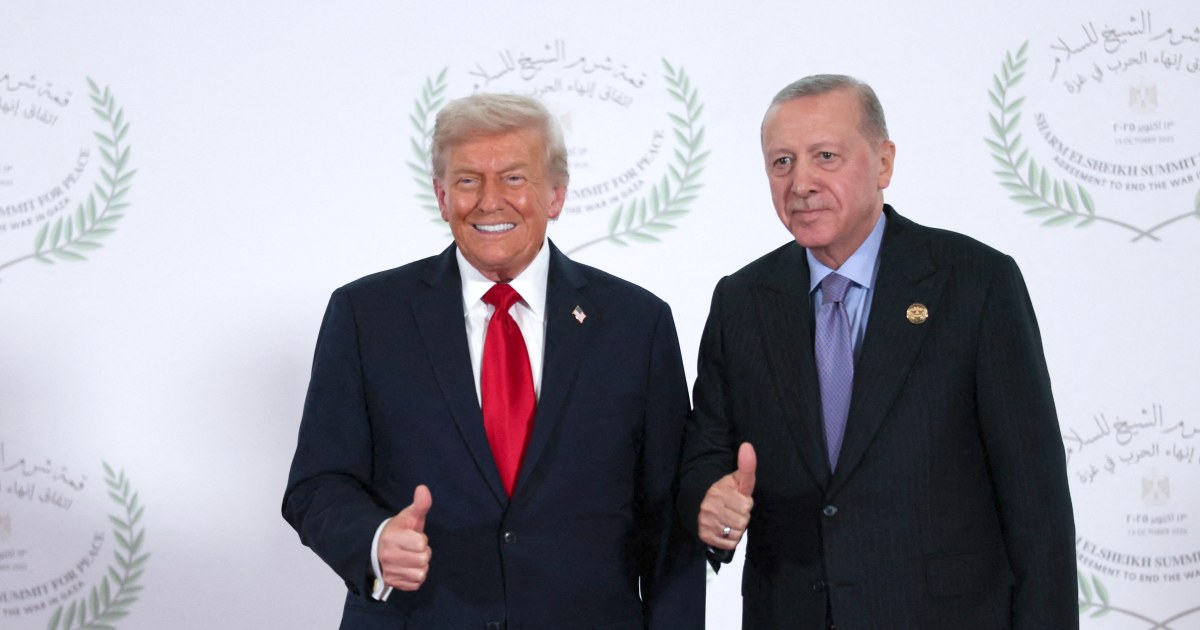
Turkish President Recep Tayyip Erdoğan has initiated discussions to possibly reopen the Halki seminary, a significant Orthodox Christian institution located near Istanbul. This decision follows encouragement from U.S. President Donald Trump, who is set to visit Turkey next month for a NATO summit. The talks aim to address longstanding concerns regarding the seminary’s closure, which was enacted by the Turkish government in 1971.
Historical Significance of the Halki Seminary
The Halki seminary, established in 1844, has been a vital educational center for the Eastern Orthodox Church, serving as the main theological school for the Ecumenical Patriarchate. Throughout its history, it has nurtured numerous generations of Orthodox clergy, including the current patriarch, Bartholomew, who resides in Istanbul. The institution’s closure has had lasting implications on religious education and ecclesiastical leadership within the Orthodox community.
Pressure for Reopening from International Entities
The question of reopening the Halki seminary has seen increasing international support, particularly from Greece, the United States, and the European Union. These entities have long urged Turkey to reinstate the seminary as part of broader dialogues surrounding religious freedom and minority rights in the country. Metropolitan Emmanuel of Chalcedon, whose diocese includes Istanbul, affirmed that recent conversations signal a “new phase” in the efforts to revive the institution. Following Erdoğan’s directive, Turkey’s higher education authority has been instructed to resume talks with the Patriarchate’s committee.
The Path Forward for Halki Seminary
While there is no set timeframe for reopening the seminary, progress appears to be underway. Metropolitan Emmanuel remarked that recent developments suggest that institutional actions are gaining momentum after years of stagnation. Both parties are now tasked with addressing necessary renovations on the site and establishing a legal and educational framework governing the school’s operations.
Despite the optimism surrounding these discussions, the Halki seminary’s closure in 1971 stemmed from a Constitutional Court ruling that mandated all private higher education institutions to be linked to state universities—a requirement the Patriarchate has consistently rejected. As negotiations continue, the stakes are high for both the Turkish government and the Orthodox community, which sees the reopening of the seminary as a crucial step in preserving its religious heritage and institutional integrity.
The ongoing dialogue regarding the Halki seminary symbolizes broader themes of religious tolerance, minority rights, and the complex relationship between secular governance and religious institutions in Turkey. How these negotiations evolve will be pivotal not only for the future of Orthodox education but also for Turkey’s rapport with international allies committed to supporting religious freedom.