
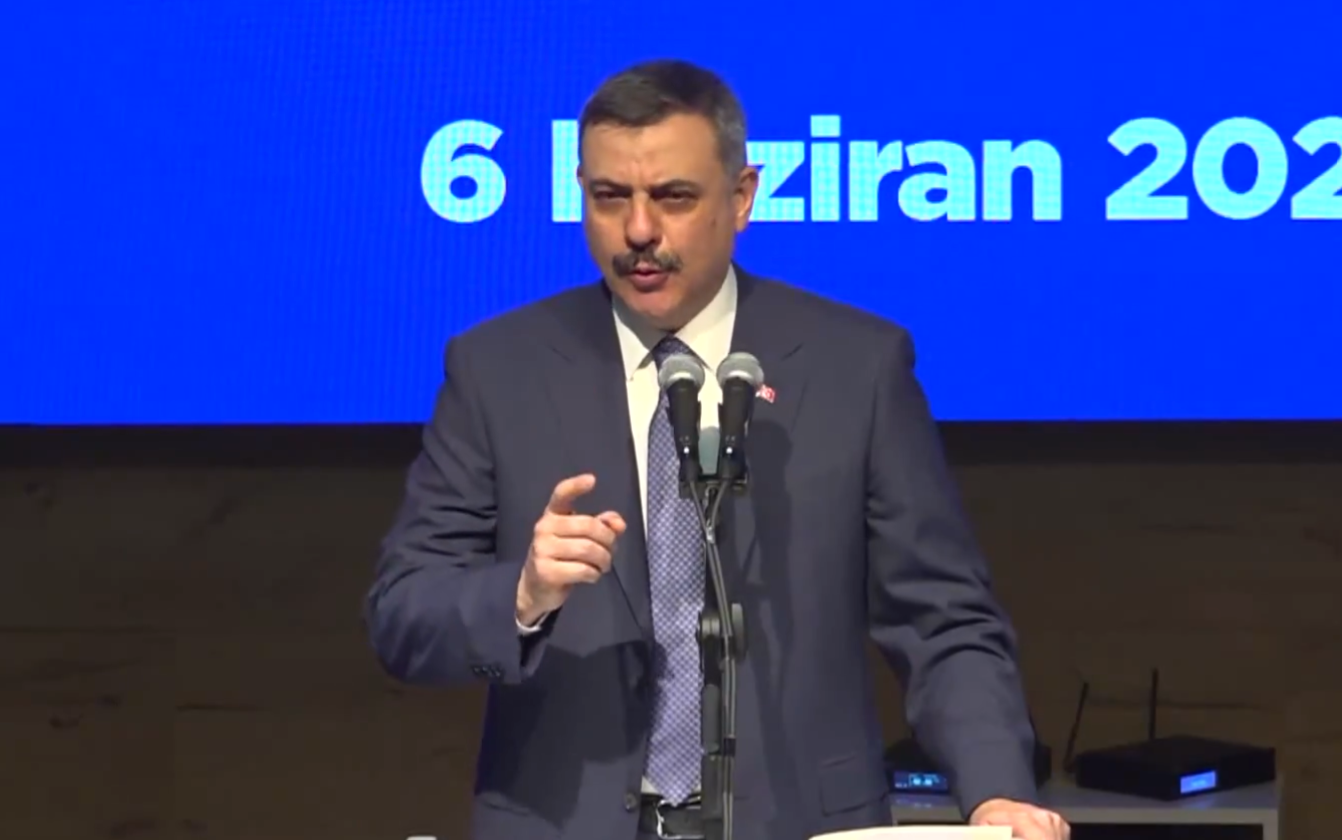
Turkey’s Interior Minister, Mustafa Çiftçi, recently made a controversial statement regarding Jerusalem, declaring the intention to “liberate” the city and reinstate Turkish control, reminiscent of its Ottoman legacy. This proclamation, delivered during a speech at an AKP Party conference in Çorum, has sparked significant backlash from Israel.
Contentions Surrounding Çiftçi’s Remarks
Çiftçi’s claims about Jerusalem’s liberation resonated with his references to former military successes, such as the seizures of Damascus and parts of Nagorno-Karabakh. He expressed a fervent hope that Jerusalem will eventually return to Turkish governance. “Just as I prayed for even a single day of governing Jerusalem, I believe that God will show us these days,” he stated with considerable conviction.
This rhetoric has not gone unnoticed. The Israeli Foreign Ministry quickly responded, asserting that the Ottoman Empire is a relic of the past and reaffirming that Jerusalem “shall remain the eternal capital of Israel.” The Foreign Ministry’s statement serves as a firm rejection of any notion that Turkish claims could gain traction in contemporary geopolitics.
Responses from Israeli Officials
Additional criticism came from Israel’s Defense Minister, Israel Katz, who emphasized the distinction between historical aspirations and current realities. Katz’s remarks pointed out that Jerusalem is not merely a historical battleground but a robust and enduring capital of the Jewish people for over 3,000 years. “To dream of administering Jerusalem is misguided and disconnected from the present,” he remarked. He juxtaposed the strength and resilience of Israel with the faded glory of the Ottoman Empire.
Moreover, Katz chided Çiftçi for deviating from the modern legacy established by Mustafa Kemal Atatürk, the founder of modern Turkey, suggesting that the current Turkish leadership is regressing toward outdated ideologies. This criticism reflects a growing narrative within Israel that views Turkey’s political direction as increasingly antagonistic.
Turkish-Israeli Relations in Context
The diplomatic relationship between Turkey and Israel, once strong, has deteriorated significantly in recent years, particularly following the 2023 Hamas-led attacks and subsequent events in Gaza. Turkish President Recep Tayyip Erdoğan has become a vocal critic of Israeli policies, accusing Israel of committing war crimes and even endorsing calls for international interventions against the state.
Erdoğan’s support for Hamas and criticism of Israel echo through various platforms, further straining the bilateral ties that have seen turbulence over the last decade. Trade has been affected, and Turkish airlines have halted flights to Israel, indicating a fraught relationship that reflects deeper geopolitical divisions.
In sum, Çiftçi’s proclamation regarding Jerusalem encapsulates a broader narrative of Turkish aspirations that are met with staunch opposition from Israel. This swift exchange of remarks highlights the complexities of Middle Eastern politics and the enduring sensitivities around national identities and historical claims. The evolving dynamics continue to shape the discourse between the two nations, impacting regional stability and international relations.
In conclusion, as Turkey positions itself within the shifting landscape of regional politics, the implications of such rhetoric will undoubtedly influence not only Turkish-Israeli relations but also broader geopolitical strategies moving forward. The emphasis on historical claims in modern-day politics serves as a reminder of the intricate web of history, identity, and sovereignty that defines this contentious region.