
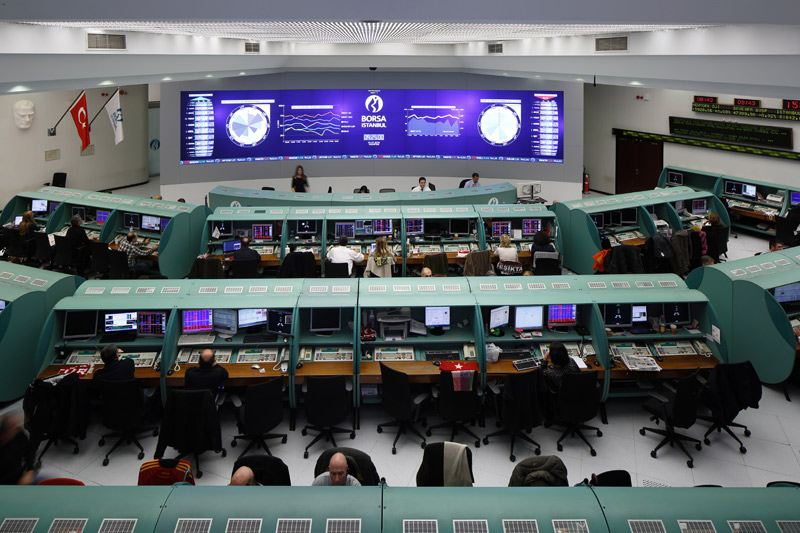
Turkey’s stock market faced a decline as trading concluded, reflecting broader economic concerns and investor sentiment in the region. The BIST 100 Index saw a decrease of 0.63%, indicating a bearish trend among traders. In this article, we will explore the factors contributing to this downturn in Turkish equities and what it means for the market moving forward.
Market Overview and Current Trends
As investors assessed the latest economic data, the Istanbul Stock Exchange experienced a noticeable drop, driven by a combination of local and global factors. The BIST 100, which encapsulates the performance of the top companies listed on the exchange, closed lower amid rising inflation concerns. Investors reacted to ongoing uncertainties regarding Turkey’s monetary policy and its effects on economic growth.
Additionally, geopolitical tensions in the region have added pressure to the financial landscape, leading many investors to adopt a cautious approach. The dual impact of local issues and international developments has created a complex environment for market participants. Many are closely monitoring currency fluctuations and their potential implications for Turkish companies, particularly those reliant on foreign imports.
Sector Performance and Key Players
Examining sector performances reveals that various industries are responding differently to the current economic climate. Notably, companies in the technology sector faced significant losses, as investors recalibrated their expectations based on evolving market conditions. Conversely, some sectors, such as utilities and basic consumer goods, displayed a degree of resilience, largely due to steady demand.
Investors are also keeping an eye on key players in the market. Major conglomerates and industrial firms that have historically thrived in Turkey are now facing increased scrutiny. The focus is on how these entities manage their operational strategies in the face of inflation and currency volatility. As a result, analysts suggest that stock selection will play a crucial role in investment performance in the upcoming months.
Future Outlook for Investors
Looking ahead, the outlook for Turkish equities remains uncertain. Analysts predict that volatility may continue as traders remain responsive to ongoing economic changes. The government’s monetary policy decisions will be critical in determining the market trajectory. If inflation can be contained and confidence restored, there may be opportunities for recovery.
Moreover, foreign investment dynamics will be a pivotal factor in shaping the market’s future. As investors evaluate the risks and rewards of entering or expanding in Turkey, political stability and economic reforms will be key considerations. Stakeholders are advised to stay informed and agile, ready to adapt strategies based on the shifting landscape.
In conclusion, while the recent declines in the BIST 100 may seem concerning, they also present potential opportunities for savvy investors. By carefully navigating the current market challenges and keeping an eye on economic indicators, investors can position themselves strategically for future growth in the Turkish stock market.