
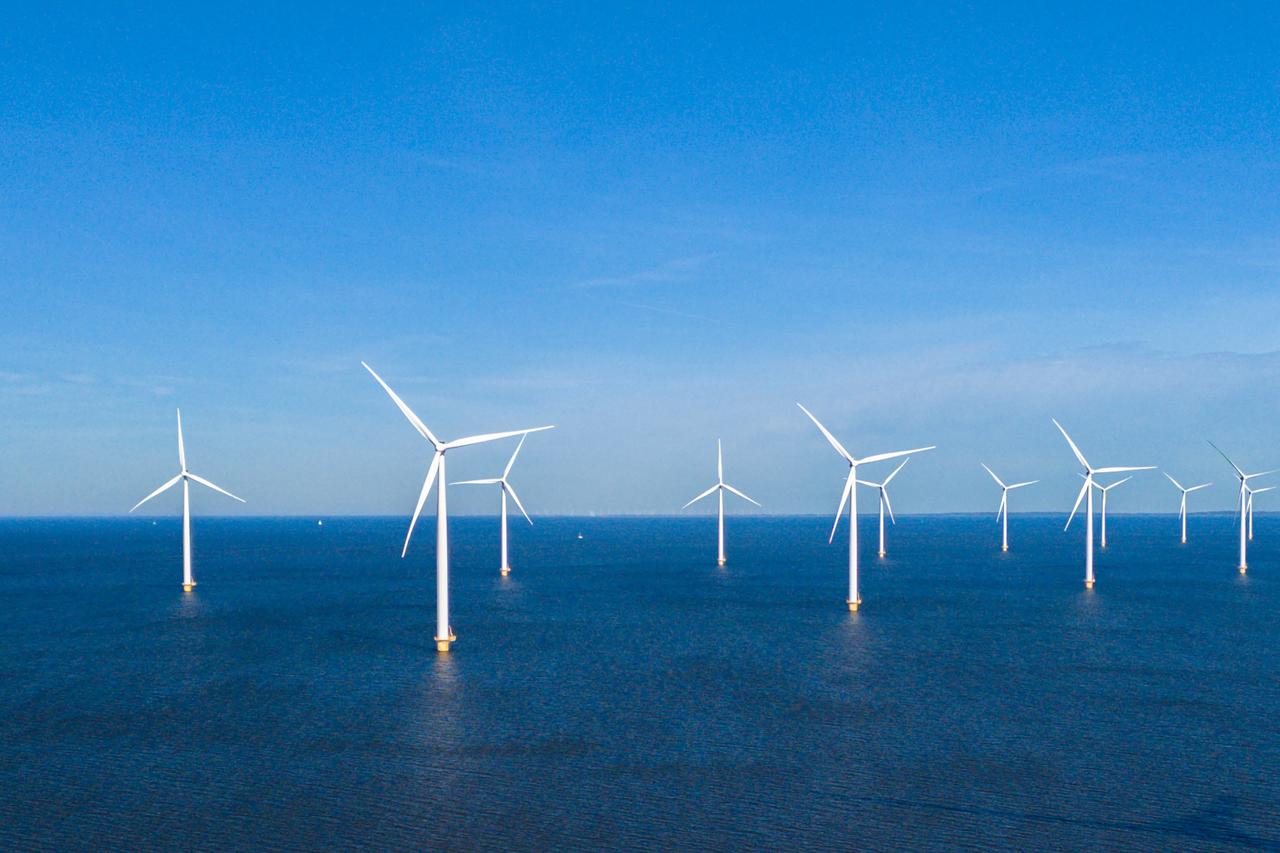
Türkiye is on the verge of a transformative leap in renewable energy with its upcoming offshore wind farm project. This initiative aims to harness 1,000 megawatts of energy, drawing an expected investment of $3 billion to bolster the nation’s green energy landscape by early 2027. Ibrahim Erden, the president of the Turkish Wind Energy Association (TUREB), has expressed optimism about the potential impact of this undertaking.
Investment Breakdown and Project Timeline
Erden has indicated that approximately half of the envisaged investment will be allocated for offshore wind turbines, while the remainder will address costs related to electricity generation, construction, and logistics. The timeline for this ambitious project includes the announcement of tender specifics within the current year, paving the way for the solicitation of bids by the end of the first quarter of 2027. When initiated, this will mark Türkiye’s inaugural venture into offshore wind energy. The country aspires to achieve a substantial 5,000 megawatts of offshore wind capacity by 2035, illustrating its commitment to renewable energy development.
Efficiency Advantages of Offshore Wind Energy
One of the primary advantages of offshore wind is its efficiency compared to onshore alternatives. Erden noted that the capacity factor for onshore wind typically hovers around 35%, while offshore projects can achieve a range of 45-50%. This heightened efficiency translates into more electricity generation and, importantly, offers competitive electricity generation costs even amidst higher initial expenditures. Despite the upfront costs associated with high-capacity and technologically advanced offshore projects, Erden is confident that, as investments in this sector grow, expenses will decline.
Moreover, establishing a robust offshore wind ecosystem could catalyze novel business opportunities. Erden emphasized that the initial cost barriers would eventually lessen as the industry matures and becomes more established, allowing other sectors to benefit from this growth. He anticipates substantial contributions from various industries, including specialized electrical equipment manufacturing, offshore construction, maritime logistics, and the production of equipment tailored for offshore projects.
Global Interest and Strategic Potential
Investors from both domestic and international spheres have shown significant interest in Türkiye’s offshore wind initiative. Countries like Germany and Denmark, along with China, are exploring opportunities as technology providers and investors. The engagement isn’t limited to western nations; interest also extends from the Middle East, with nations such as the United Arab Emirates, Saudi Arabia, and Qatar keen on financing and investing in this promising sector.
Recognizing the strategic significance of offshore wind energy, Türkiye’s Energy and Natural Resources Ministry has underscored its role in the nation’s evolving energy policy. Studies have identified substantial offshore wind potential across four designated areas along the coasts of Saros Gulf, Gokceada, Bozcaada, and Edremit. By capitalizing on these opportunities, Türkiye aims to not only meet its renewable energy goals but also position itself as a leader in the region’s green energy landscape.
In conclusion, as Türkiye gears up to launch its offshore wind project, it stands on the brink of an energy revolution that could reshape its economic landscape and propel it toward a sustainable future. With considerable local and global investment interest, the project signifies a crucial step toward achieving the country’s ambitious renewable energy targets.