
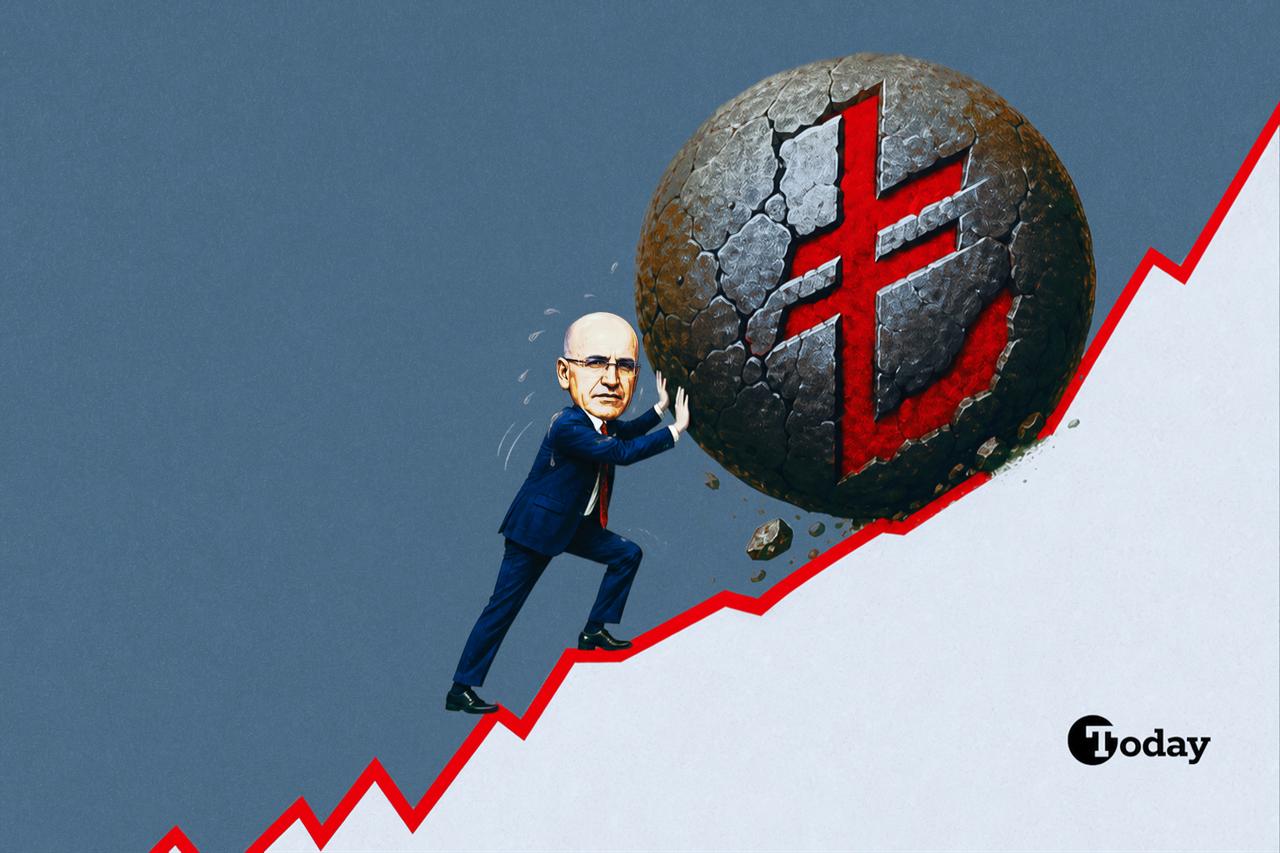
Türkiye is currently grappling with significant economic challenges, and at the forefront is Finance Minister Mehmet Simsek. Paralleling the myth of Sisyphus, who endlessly rolled a boulder up a hill only to see it roll back down, Simsek faces the daunting task of supporting the Turkish lira amid adverse market conditions. Despite the swirling rumors about his potential resignation, Simsek remains committed to his role, underscoring the critical nature of his position during a turbulent period.
The Weight of Responsibility
Simsek’s commitment to remaining in his role is crucial for the Turkish economy. As he recently asserted, the speculation regarding his resignation is unfounded. His refusal to step back signals his intention to navigate through the current economic landscape, which has been marred by instability and rising challenges. In his tenure, Simsek has proven to be a versatile political figure, adept in various arenas and possessing the unique ability to connect with diverse groups, including the Kurdish community.
His journey to the finance ministry was not born out of ambition but rather necessity. In the wake of the May 2023 elections, Türkiye’s economic health was precarious due to years of low-interest policies that drained foreign reserves. When called upon by President Recep Tayyip Erdogan, Simsek accepted the daunting task of restoring economic rationality. His role extends beyond mere fiscal management—he is also tasked with restoring Türkiye’s global financial standing, a colossal responsibility given the current economic strain.
Investor Confidence and Economic Strategy
In the eyes of many investors, Simsek is a vital assurance of stability. His presence is pivotal for building trust among Western institutional investors and credit rating agencies. Should he resign, the progress made in stabilizing the lira could waver, potentially leading to an economic upheaval that Türkiye is ill-prepared to handle. While the immediate impacts of such a departure might not be swift, the long-term effects could be detrimental.
Currently, Simsek is pursuing a stringent fiscal strategy to tame rampant inflation, opting for a sobering approach that contrasts sharply with the previous government’s growth-at-all-costs mentality. His measures, which include tightening credit and curbing domestic demand, have understandably created friction with pro-government factions and local business elites. These groups face the ramifications of higher borrowing costs and reduced consumer spending, creating discontentment towards Simsek’s policies.
Challenges and Future Outlook
Despite facing tension from within, Simsek’s position appears secure for the moment. The rumors surrounding his potential resignation gained traction amidst concerns over the recent Tera Investment Fund scandal, which has impacted nearly half a million investors. Such a crisis amplifies the pressure on Simsek, yet the prevailing sentiment in the markets suggests that his exit could trigger significant panic, a situation that would undermine any stabilization efforts.
Ultimately, while pro-government factions may express dissatisfaction with his policies, the overarching need for stability in the Turkish economy keeps Simsek tethered to his boulder. The road ahead is fraught with challenges, and as he climbs this metaphorical hill, the focus remains on managing inflation and restoring investor confidence. For now, Türkiye’s Sisyphus continues his ascent, determined to push the lira uphill until the economic environment improves.