
A recent proposal for the transfer of $283 million in US-made military equipment from Turkey to Ukraine has escalated tensions between Ankara and Moscow. This move comes amid Turkey’s growing ties with the United States, particularly during President Donald Trump’s administration. As Turkey aims to diversify its energy sources and lessen its dependency on Russian supplies, this arms transfer could shift the dynamics of diplomacy in the region.
Details of the Proposed Arms Transfer
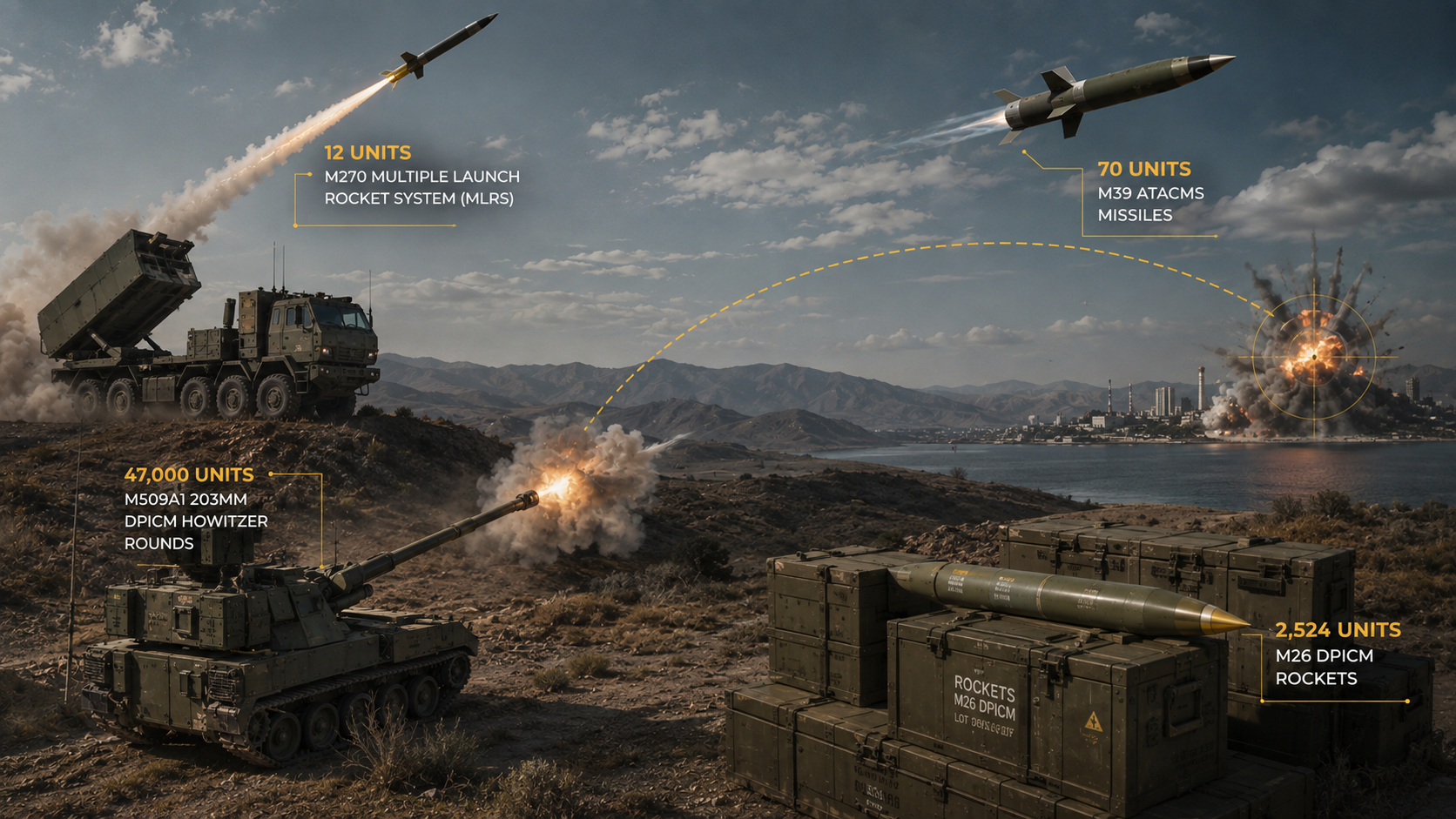
The transfer plan includes a substantial arsenal, featuring 70 M39 ATACMS tactical ballistic missiles, 12 M270 multiple rocket launchers, 2,524 M26 rockets, and 47,000 M509A1 203mm artillery shells. The US State Department informed Congress about this proposal in August, marking Turkey as the supplier and Ukraine as the recipient. This initiative represents the most significant military assistance Turkey has considered for Ukraine since Russia’s invasion began in February 2022. The M39 ATACMS missiles boast a range of 165 kilometers, effective for targeting locations behind combat lines.
The Russian Foreign Ministry reacted swiftly, with spokesperson Maria Zakharova warning that such a transfer could severely disrupt the already fragile relations between Moscow, Ankara, and Washington. She demanded clarification from both the US and Turkey regarding this shipment. This reaction underscores the shifting power dynamics as Turkey aligns itself more closely with Western interests while maintaining a necessary relationship with Russia.
The Shift in Turkish-Russian Relations
Turkey’s increasing cooperation with the United States has been notable in recent years, particularly under Trump’s presidency. As Erdogan’s contact with Russian President Vladimir Putin diminishes—last recorded on April 3—Ankara continues to advocate for de-escalation in the ongoing Russia-Ukraine conflict. Nonetheless, Turkey’s diplomatic balancing act remains complex, encompassing support for Ukraine’s territorial integrity alongside its longstanding ties with Russia.
The arms proposal is indicative of a broader reconfiguration of Turkey’s posture in the military realm. Historically, Turkey has been supportive of Ukraine, yet carefully maintained diplomatic dialogues with Moscow since the war’s onset. Ankara emphasizes that the intent behind the arms transfer is to phase out older defense systems and invest in upgrading its military capabilities. Congress has a 15-day window to voice any objections, but if it remains silent, the transfer could proceed.
Energy Dynamics and International Relations
Simultaneously, the proposal highlights an apparent shift in Turkey’s energy procurement strategies. While Turkey has historically relied on Russian oil, recent data shows a significant drop in imports, with a decrease from 1.2 million tons in June 2026 to about 900,000 tons in July. As Turkey seeks to diversify its energy supply, imports from countries like Brazil and Guyana have increased. Though Russia continues to be an essential supplier, Turkey is actively engaged in expanding liquefied natural gas usage and entering long-term contracts with US suppliers for gas.
Despite this, significant energy projects, such as the Akkuyu Nuclear Power Plant—built by the Russian state-owned Rosatom—serve as a reminder of Turkey’s continued reliance on Russian involvement in critical sectors. While Turkey wishes to reduce its dependence on Russian energy, it must navigate the complicated landscape of balancing its security needs with economic realities.
In conclusion, the proposed military transfer from Turkey to Ukraine represents a pivotal change in the region’s geopolitical landscape, reflecting broader shifts in Turkish foreign policy. As Ankara fosters closer ties with Washington and gradually distances itself from Moscow—and continues to manage a significant energy relationship with Russia—the implications for regional stability and international diplomacy are profound. This evolving situation demands close attention as it unfolds, with far-reaching consequences for Turkey and its global partners.