
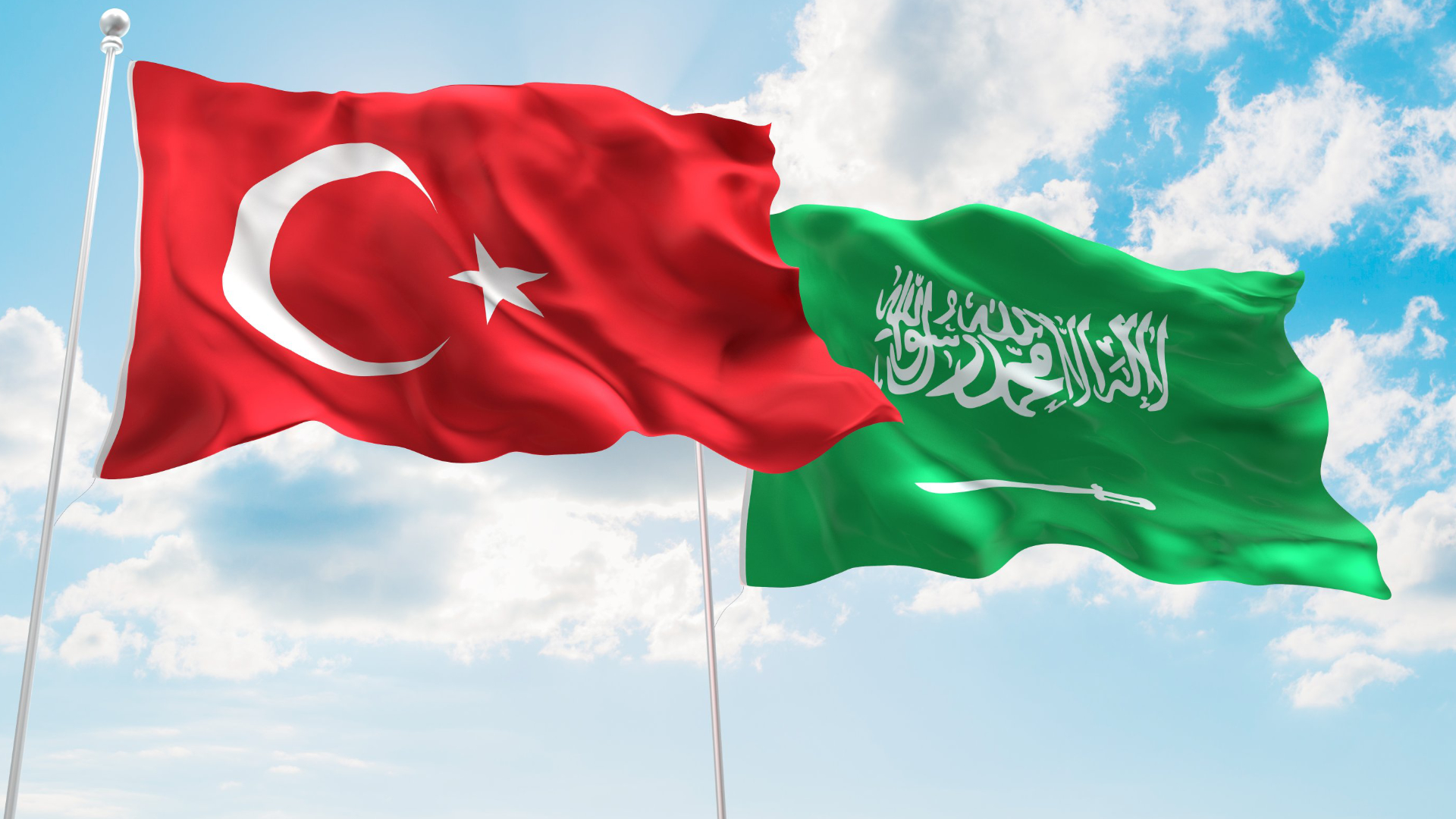
Turkey has clarified its stance concerning the defense agreement with Saudi Arabia, emphasizing its limitations and purpose. Foreign Minister Hakan Fidan addressed these points, assuring that Turkey will not deploy troops to engage directly with Houthi forces in Yemen.
Turkey’s Non-Offensive Stance
Fidan described the agreement as fundamentally a defensive one, asserting that its primary role is to support member countries if they come under attack. “This is not an offensive agreement,” he insisted, highlighting that Turkey will not send forces into another nation’s territory for the purpose of offense. The foreign minister’s remarks come in light of increasing tensions as Iranian-backed Houthi forces continue to launch assaults against Saudi Arabia amid escalating conflict in Yemen.
The Nature of the Agreement
In August, Turkey signed the Mecca Joint Defense Agreement alongside Saudi Arabia and Pakistan, committing all three nations to mutual assistance in cases of external aggression. It is important to note that the agreement still awaits ratification from the Turkish parliament before it can take effect. This pact unites Turkey, which boasts the second-largest military in NATO, with Saudi Arabia—a significant oil-producing nation in the Gulf—and Pakistan, the only nuclear-armed country in the Muslim world.
Military Assessments and Defensive Measures
Fidan indicated that military delegations from Turkey and Saudi Arabia will collaborate to evaluate necessary defensive actions, although he refrained from divulging specific strategies. The involvement of Turkish forces in a defensive capacity could raise questions among observers about the potential for escalation in the already volatile region. Nevertheless, Turkish officials have aimed to alleviate fears regarding the pact’s consequences and have repeatedly stated that cooperation among the three nations will develop gradually.
Regional Tensions and Future Implications
The resurgence of violence in Yemen has intensified scrutiny of the defense agreement and its potential to engage its signatories in ongoing conflicts. Despite this, Turkish officials remain optimistic, with one diplomat commenting, “NATO was not built in a day,” underscoring the gradual nature of security alliances. The dynamics of regional power play continue to evolve, raising critical questions about the responses from these nations should conflicts escalate.
In conclusion, Turkey’s defense pact with Saudi Arabia and Pakistan reinforces a commitment to mutual aid while underscoring its non-offensive nature. The focus remains on defensive strategies in response to regional threats, particularly from Houthi forces, as the situation in Yemen becomes increasingly complex. As developments unfold, the emphasis on careful cooperation will be pivotal in determining the future stability of the region.