
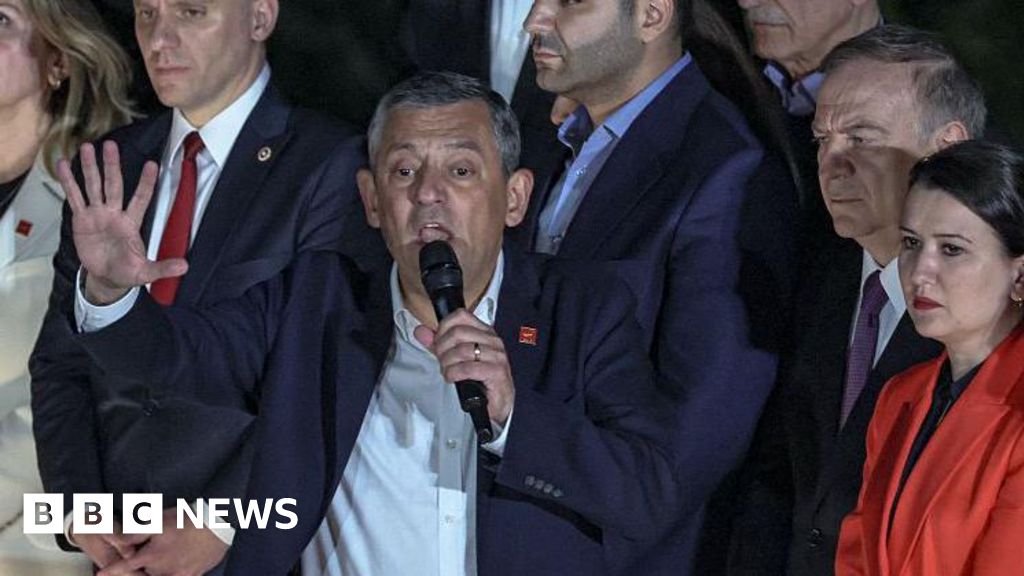
In a significant legal twist, the appeal court has annulled Özgür Özel’s recent win as head of his party, underscoring the president’s tightening grip on authority. This ruling not only alters the political landscape but also raises questions about the future of opposition in the current regime.
Understanding the Court’s Decision
The appeal court’s ruling to invalidate Özgür Özel’s leadership victory reflects deeper political strategies at play. The decision seems to serve the interests of the current administration, effectively minimizing dissent within the political framework. By targeting opposition figures, the government can maintain its dominance and influence over critical political processes. This verdict has triggered discussions about judicial independence and how political motivations can shape legal outcomes.
Consequences for the Opposition
The implications of this court ruling are profound for the opposition parties. With Özel’s leadership questioned, the opposition faces a formidable challenge in reorganizing its efforts to contest the president’s authority. This environment might lead to a fragmented political opposition, making it tough to unify against the ruling party’s policies. Furthermore, such judicial actions can dishearten potential leaders within the opposition ranks, as they may perceive the systems governing their political success as biased and untrustworthy.
The Broader Political Context
Examining the broader context, this ruling is part of a series of legal maneuvers that seem designed to consolidate power within the ruling party. Over recent years, there have been increasing concerns regarding the erosion of democratic norms and the rule of law. Legal decisions that lean favorably towards the government can create an atmosphere of fear and uncertainty among opposition members, impacting their ability to mobilize support effectively. This reality underscores the significance of legal frameworks as tools for political control rather than impartial arbiters of justice.
Future Implications for Democratic Processes
As this scenario unfolds, it becomes critical to monitor the implications for democratic processes in the nation. The annulment of Özgür Özel’s leadership not only affects his political future but also raises alarming questions about the overall health of democracy. If legal institutions continue to be used as instruments of political power, the fundamental principles of democracy could be at risk. Citizens may begin to lose faith in their political systems, seeing them as controlled by a singular narrative, rather than a diverse and thriving democracy.
The ruling offers a stark reminder of the challenges faced by those in opposition today, with a spotlight on the need for reform within the judicial system. Moving forward, the question remains whether the political landscape can adapt to nurture genuine opposition or if it will be stifled under pressures from the current regime. As events develop, observers will be keenly watching to see how these dynamics evolve, and whether opportunities for democratic revitalization can emerge from such turbulence.