
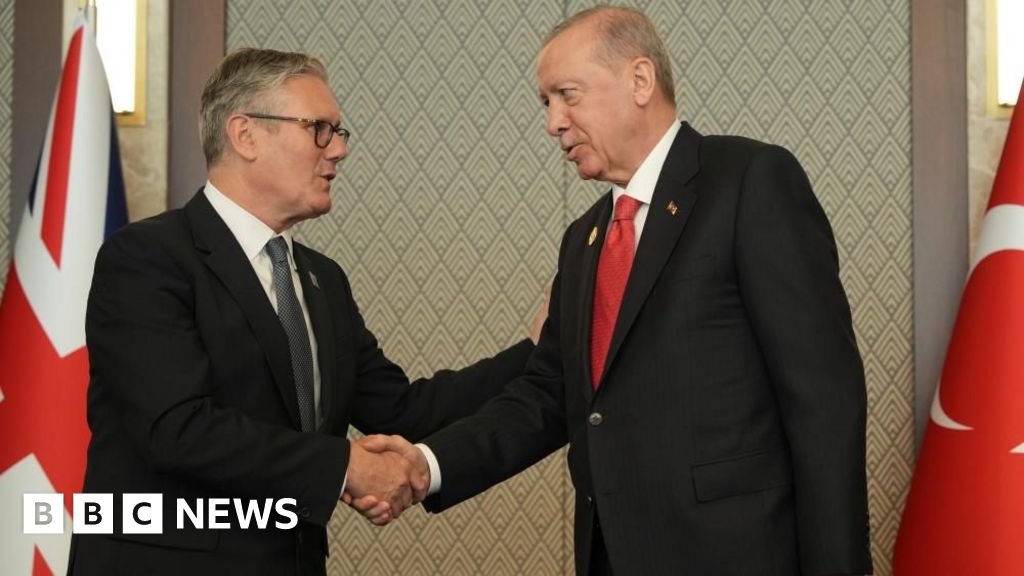
The recent events surrounding the military weapon in Turkey have sparked widespread discussions regarding international relations and security protocols. While the weapon itself hasn’t been transported back to the UK, it remains in the custody of British officials in Turkey, raising crucial questions about accountability and oversight.
Overview of the Situation
The current circumstances about the military weapon originate from a larger context of defense strategies shared between nations. Various countries maintain collaborative military relationships, which include the sharing and storage of sensitive equipment. The decision to keep such a weapon in Turkey, rather than returning it to the UK, indicates a unique complexity in international military agreements. This scenario promotes a closer examination of how nations manage their defense inventories across borders.
Implications for UK-Turkey Relations
Leaving the weapon in Turkey has broader implications for UK-Turkey relations. Such a move could signal trust and cooperation between the two countries, showing that they are working closely together on defense matters. However, it also raises concerns about the potential risks related to security. If the weapon is not adequately monitored, it could fall into the wrong hands, leading to international security issues. Both nations must ensure that strict safeguards are in place while the weapon remains in custody.
Security Concerns and International Oversight
The situation also opens up a dialogue about the importance of international oversight in military transactions. A transparent process that includes checks and balances can help mitigate risks and enhance global security. Countries involved in similar transactions must establish clear protocols for monitoring and managing military assets. This can lead to improved trust between nations, as well as enhanced security measures that protect sensitive equipment from misuse.
Future Considerations
As this situation develops, the UK must consider its next steps regarding the weapon in Turkey. Engaging in open discussions with Turkish officials will be essential to determine the future of the weapon and ensure that it is managed responsibly. Collaborating on joint security initiatives could pave the way for a more secure and stable partnership in the long term, ensuring that both countries are aligned regarding their strategic interests and goals.
In summary, the decision to leave the military weapon in Turkey highlights a range of issues related to international security, partnership dynamics, and risk management. It serves as a reminder of the delicate balance involved in managing military collaborations globally. Addressing these challenges head-on will be crucial for both the UK and Turkey as they navigate this complex landscape.