
The United States is poised to renew military sales to Turkey, a significant player within NATO. President Donald Trump has announced that the sanctions imposed on Ankara for its purchase of Russian air defense systems seven years ago are set to be lifted.
Military Ties Between the U.S. and Turkey
Trump conveyed his intentions during a NATO summit held in Turkey, stating, “We don’t want to sanction friends.” He highlighted the positive relationship he shares with Turkish President Recep Tayyip Erdogan. This shift in policy marks a notable change in the U.S.’s approach towards Turkey, allowing for a potential strengthening of military cooperation that could benefit both nations.
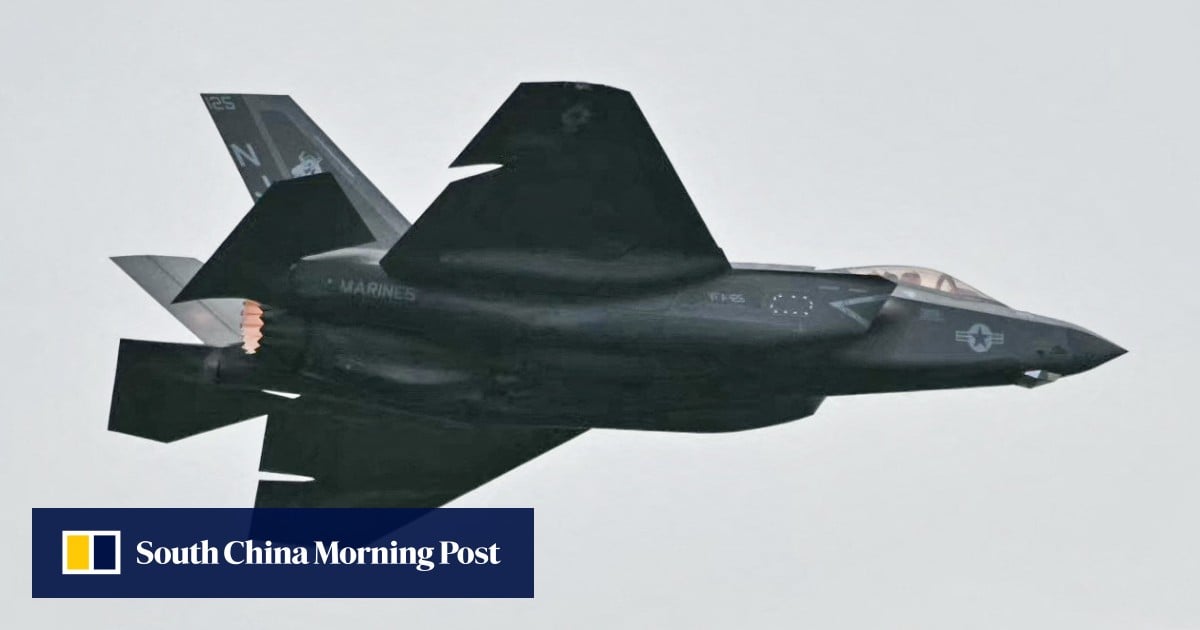
The President indicated that a decision regarding Turkey’s reinstatement in the Joint Strike Fighter (JSF) program would soon be made. Observers are optimistic about a possible arrangement whereby Turkey might transfer its Russian S-400 systems to a third nation in exchange for access to U.S. F-35 stealth warplanes. Such a deal could effectively reconcile longstanding tensions between the two NATO allies.
The Impact of the F-35 Program Suspension
Turkey’s exclusion from the F-35 initiative occurred in 2019, primarily due to U.S. concerns that Russian technology could compromise the advanced stealth capabilities of the aircraft. Turkey was actively involved in manufacturing components for the F-35, making its removal particularly significant. The resolution of this issue holds critical implications not only for Turkey but also for NATO’s collective military readiness.
Asli Aydintasbas, from the Brookings Institution, described the recent developments as “a strategic reset in spirit but not yet in practical terms.” She elaborated, indicating that this is an important moment for the relationship between Washington and Ankara, implying that President Trump values Erdogan’s partnership significantly for his broader strategy concerning NATO, Europe, and the Middle East.
Prospects for Full Normalization
Though recent moves signal an improvement in U.S.-Turkey relations, experts caution that full normalization has yet to be achieved. Aydintasbas emphasizes, “the congressional part of the equation is still not there,” suggesting that legislative approval and broader diplomatic efforts are required to secure a solid and long-lasting alliance.
As both nations navigate the complexities of their partnership, it remains to be seen how these developments will influence regional dynamics. Erdogan’s administration seeks to establish a more stable relationship with Washington, and the ball is now in the U.S.’s court to make substantial moves that could solidify this improved diplomatic landscape.