
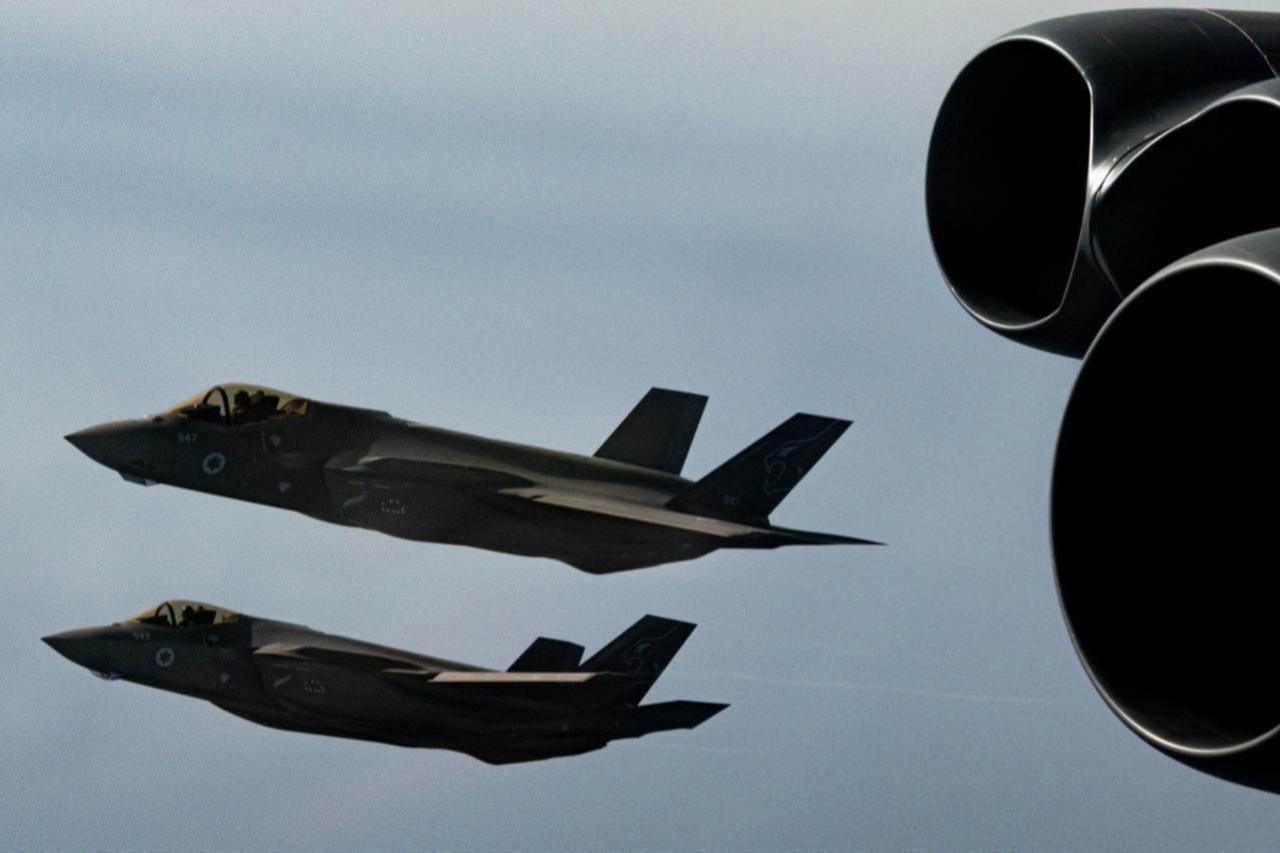
The dynamics between the U.S. and Israel continue to evolve, particularly concerning Iran’s military capabilities. Recent reports suggest that the Trump administration initially encouraged Israel to consider a unilateral military action against Iran, only to later retract that request. This complex interaction highlights the ongoing tensions in the Middle East and the delicate balance of power involved.
Shifting Strategies Toward Iran
According to an article published by the Israeli newspaper Maariv, the Trump administration’s request originated from increasing concerns in Washington about the potential escalation of open conflict. U.S. officials feared that a joint operation with American involvement might politically damage President Trump ahead of the midterm elections. Interestingly, the suggestion for an independent Israeli strike was seen as a way to bolster Prime Minister Benjamin Netanyahu’s position in the Israeli elections.
Discussions between U.S. and Israeli officials lasted approximately two weeks, focusing on potential strategies for addressing Iran’s growing capabilities. The United States explicitly expressed its desire for Israel to act independently rather than coordinate a joint military operation. This request was driven by mounting worries over Iran’s swift development of drone and missile technologies, which raised alarms about regional security.
Midterm Elections and Political Calculations
The timing of these discussions is crucial. As the U.S. midterm elections approached, the strategic choice to allow Israel to pursue its own military resolutions was likely influenced by political calculations. Sources suggest that U.S. officials believed a lack of direct American military action would mitigate potential backlash during the electoral process. However, this strategy faced shifts as the plan to allow Israel to act independently was ultimately put on hold, highlighting the fluid nature of military strategy.
Another factor in the timeline was the assessment from Israeli military Chief of Staff, Eyal Zamir. He indicated that a unilateral Israeli strike could potentially disrupt the electoral schedule within Israel. This reveals how deeply intertwined military decisions can be with domestic political considerations, where security actions might have ripple effects beyond immediate military outcomes.
The Current State of Iran’s Threat
Despite the discussions between U.S. and Israeli officials, the underlying threat posed by Iran remains pronounced. Reports indicate that Washington is currently not contemplating any military action against Iran before the midterm elections, leaving the scope of response largely in the hands of Israeli authorities. This has led to a complex scenario where the U.S. strategy may pivot based on electoral outcomes, while Israel grapples with its own position regarding national security.
The situation underscores the intricate web of diplomacy and military strategy enveloping Iran’s military advancements. As both nations navigate regional challenges, the responses from each actor will likely remain subject to ongoing political calculations, reflecting the interplay between foreign policy and electoral dynamics. As events unfold, the global community continues to watch closely, aware that the outcome of these strategies could redefine the landscape of Middle Eastern geopolitics.