
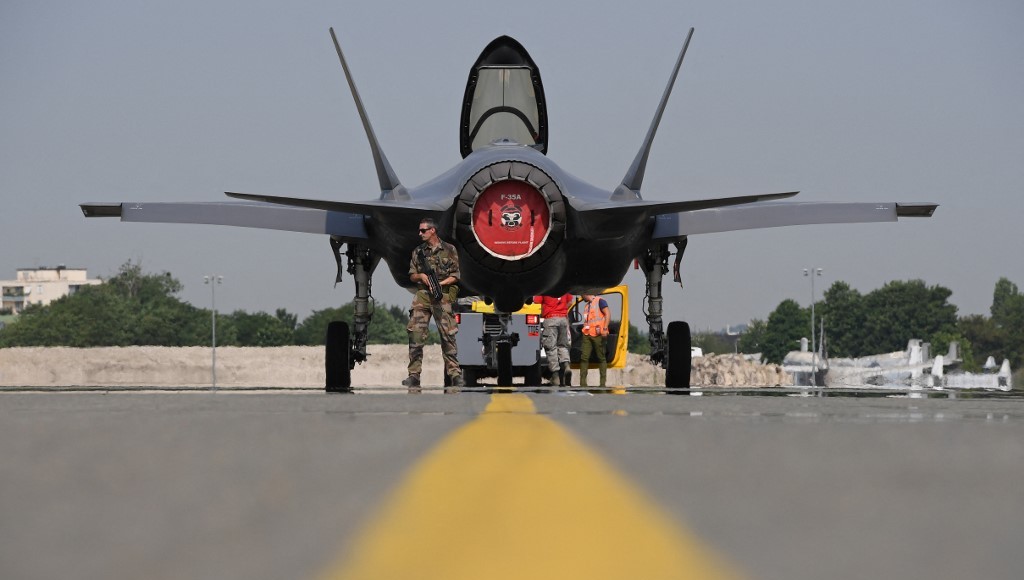
Turkey’s Path to the F-35: Challenges Ahead
Turkey’s aspirations to acquire F-35 fighter jets are currently stalled due to its acquisition of the Russian-made S-400 air defense system. The U.S. State Department has reiterated in a recent letter to Congress that Turkey must address several prerequisites before it can obtain these advanced aircraft. This situation highlights ongoing complexities in U.S.-Turkey relations, particularly concerning military cooperation and national security concerns.
Legal Restrictions on F-35 Transfer
In a letter dated July 22, the State Department confirmed that U.S. law continues to block the transfer of F-35 aircraft to Turkey unless it complies with the provisions of the Countering America’s Adversaries Through Sanctions Act (CAATSA) and other legal stipulations. These requirements specifically call for Turkey to relinquish the S-400 air defense system and its related components, commit to not acquiring similar systems in the future, and fulfill existing certification criteria. The State Department emphasized, “Turkey has not yet met these conditions,” indicating that progress is still needed before the issue can be revisited.
The letter came in response to an inquiry from Congressman Wesley Bell, reflecting ongoing concerns about Turkey’s compatibility with U.S. defense standards. Despite previous statements from President Trump that suggested a pathway for Turkey to purchase the F-35 jets, the official stance remains firmly grounded in legal constraints.
Ongoing Diplomatic Discussions
Despite the legal barriers surrounding the F-35 program, U.S. officials have confirmed that discussions between Washington and Ankara regarding the S-400 system are still underway. These dialogues are critical to finding a resolution that is “transparent, lawful, and consistent with U.S. national security interests.” As Turkey is recognized as a key NATO ally, the U.S. intends to maintain collaboration in various areas, although it will also hold Turkey accountable when its actions diverge from U.S. interests.
The dynamic between the two nations involves more than just military hardware; it includes a broader context of diplomacy and cooperation. The State Department praised Turkey’s contributions to U.S. diplomatic initiatives in regions such as Russia, Ukraine, Azerbaijan, and Armenia. These efforts highlight the complexity and multifaceted nature of U.S.-Turkey interactions.
The Impact of the S-400 Acquisition
The acquisition of the S-400 system has had far-reaching implications for Turkey’s relationship with the U.S. and its position within the international defense community. Turkey was removed from the F-35 program in 2019 after it purchased the Russian defense system, with U.S. officials arguing that the integration of the S-400 could jeopardize sensitive F-35 data. In response, the U.S. imposed sanctions on Turkey under CAATSA, effectively sealing off avenues for future military acquisition until compliance is achieved.
While Turkey has engaged in various diplomatic and counterterrorism efforts beneficial to U.S. objectives, serious concerns persist regarding financial networks linked to Hamas operating from Turkish territory. The U.S. has indicated its intention to target those individuals and organizations suspected of financing Hamas, further complicating the geopolitical landscape.
In summary, Turkey’s journey toward obtaining F-35 fighter jets is fraught with legal and diplomatic hurdles. The ongoing discussion regarding the S-400 air defense system will be pivotal in determining whether Turkey can rejoin the program and solidify its standing within NATO. As these discussions continue, the attention of both nations will remain focused on navigating the intricate web of national interests and security concerns that shape U.S.-Turkey relations.