
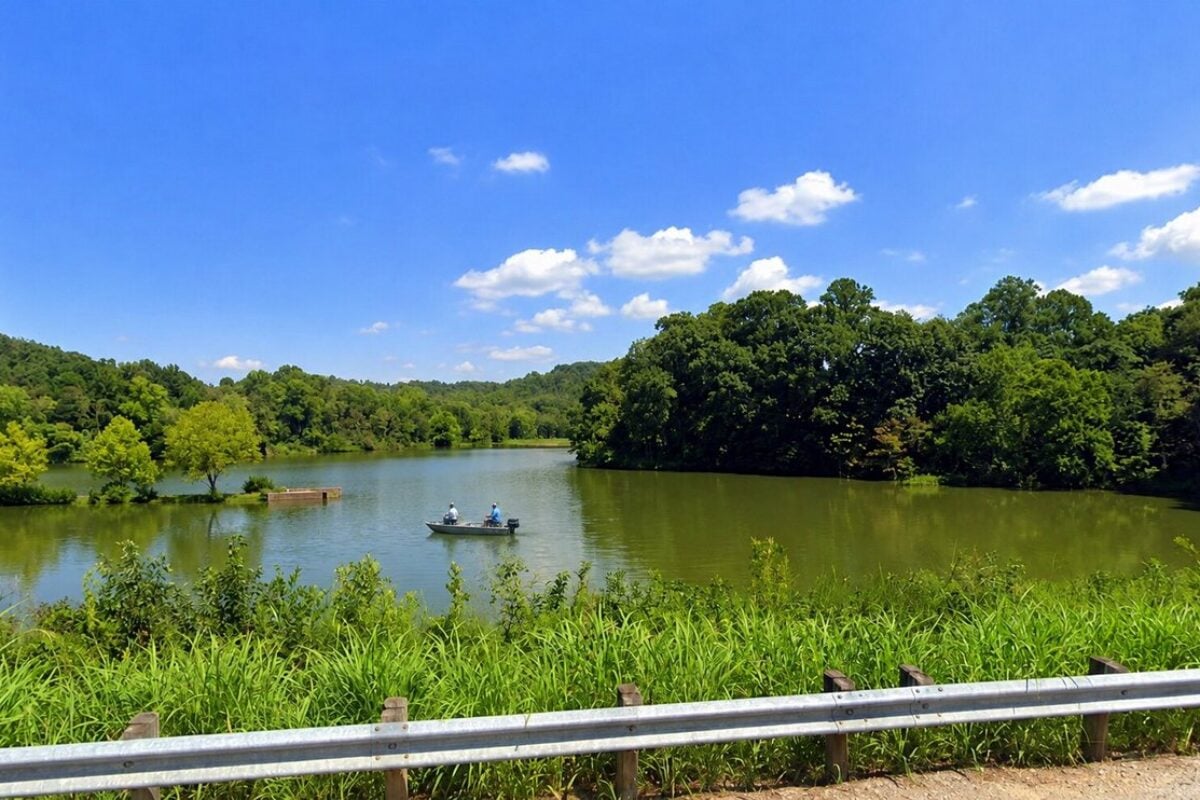
A significant ecological transformation is underway in Jackson County, West Virginia, where the state has planned the removal of Turkey Run Lake’s aging dam. This change aims to restore the natural stream and wetland complex that existed before the lake was created over 60 years ago. The decision comes after extensive discussions concerning the lake’s future and emphasizes environmental restoration and safety over long-standing recreational use.
Restoration Plans for Turkey Run
The West Virginia Division of Natural Resources (DNR) and the Department of Environmental Protection (DEP) announced that Turkey Run Lake, spanning approximately 15 acres, will be drained as part of a larger restoration initiative. The agencies expect to start the dewatering process shortly, with the entire project anticipated to be completed by the end of 2027. This effort will not only remove the lake but also reintroduce a free-flowing stream and wetlands to the area, creating new habitats for local wildlife and enhancing recreational opportunities. This includes the development of a smaller fishing pond and walking trails for wildlife observation.
While this announcement marks a transformative phase for the local environment, it will also alter a well-loved recreational area that has been a fishing destination for generations. Turkey Run Lake was established in 1964 and opened to fishing two years later, attracting anglers from the surrounding regions. However, state officials have pointed out that the dam poses safety risks and is no longer compliant with the West Virginia Dam Control and Safety Act. The estimated cost of repairs to retain the lake was around $30 million, which led to the decision to prioritize restoration over preservation.
Community Response and Alternatives
The decision to remove Turkey Run Lake did not come without public input. At a community meeting in April 2025, residents expressed a strong desire to retain the lake, highlighting the cherished fishing opportunities it provided. Local officials, including Ravenswood Mayor Josh Miller, also advocated for measures to preserve the lake, stressing its importance for recreational tourism. Despite these sentiments, the state agencies ultimately determined that the removal of the dam and the return to a natural stream system would provide greater long-term benefits for the ecosystem and community alike.
This public involvement showcased a vital aspect of the decision-making process. Both the DNR and DEP emphasized the importance of listening to local concerns while evaluating the situation, despite the pressing need for safety and environmental health. Previous proposals included reinforcing the dam, but the extensive disruption and high costs associated with such alternatives ultimately led to the chosen path of restoration.
Environmental Benefits and Future Developments
The shift from a lake back to a stream will significantly enhance the ecological integrity of the Turkey Run valley. The restoration will help resolve a long-standing water quality issue. Turkey Run Lake has been listed as impaired for various pollutants since 1998, highlighting the importance of this ecological restoration. The reestablishment of natural hydrology will favorably impact various species and improve the overall landscape, contributing to watershed resilience.
The project is funded through West Virginia’s In Lieu Fee Program, which allocates fees collected from permittees to support critical restoration projects like this one. Although specific costs related to the restoration have not been disclosed, this investment will help ensure the project’s successful completion and long-term ecological health.
As the deadline for completion approaches, local stakeholders will continue to be engaged in the process. The change from a lake that served the community for decades to a free-flowing stream will signify a new chapter for Ravenswood and Jackson County. Not only will it restore vital habitats, but it will also offer new recreational opportunities that align with modern environmental priorities, marking an essential step towards sustainable management of natural resources in West Virginia.