
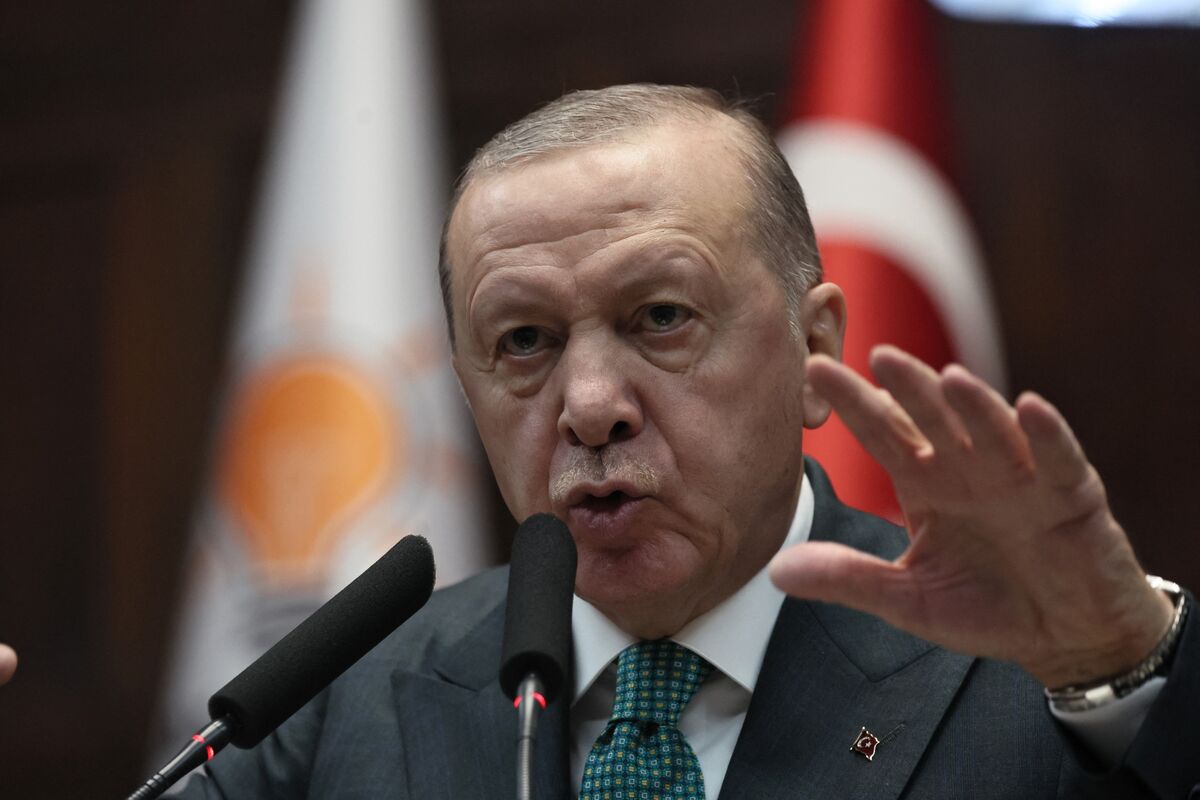
Turkish President Recep Tayyip Erdogan’s political strategy has predominantly hinged on divide-and-rule tactics, which he uses to manage his opponents. This methodology has significantly influenced the political landscape in Turkey, allowing Erdogan to maintain power and effectively neutralize challenges.
Understanding Divide-and-Rule Strategies
The divide-and-rule approach involves creating divisions within opposition groups or communities to weaken their collective power. By fostering discord and rivalry among different factions, Erdogan has efficiently stifled any unified front against his administration. Historically, this tactic has enabled him to fragment his political opponents, making it increasingly difficult for them to mount effective campaigns and challenge his authority.
In recent years, Turkey has witnessed a growing polarization among its populace, largely fueled by Erdogan’s policies. Various social, ethnic, and economic divides have been accentuated, leading to a fragmented electorate. When opposition parties are busy contending with one another rather than focusing on the ruling party, it benefits Erdogan and his administration, allowing them to maintain dominance in a politically volatile environment.
Recent Political Developments
Erdogan’s approach has proved particularly effective in recent electoral contests. The opposition coalition, which aimed to present a united front, found itself grappling with internal divisions that Erdogan deftly exploited. By portraying his opponents as fragmented and ill-suited to govern, he resonated with voters who may have been disillusioned by infighting among the opposition parties.
Additionally, the government has employed various strategies to consolidate its power further. Erdogan has not shied away from utilizing state resources to amplify his message and marginalize dissenting voices. Control over media narratives and public discourse ensures that his divide-and-rule tactics are underpinned by a media landscape that often reflects the ruling party’s agenda.
Impacts on Turkish Society
The ramifications of Erdogan’s strategies extend beyond mere political maneuvering; they permeate the fabric of Turkish society. Social cohesion has deteriorated, as communities find themselves increasingly divided along party lines. This fragmentation has led to a climate where political discourse becomes hostile and counterproductive. Instead of engaging in constructive debates, factions often resort to hostility, further entrenching their positions and making it harder for any collaborative efforts to take shape.
In this environment, it becomes challenging for grassroots movements or alternative political figures to emerge, as they often find themselves overshadowed by more substantial, established factions. As a result, potential leaders who could present viable alternatives to Erdogan’s rule are frequently marginalized or dismissed, further entrenching the political status quo.
The Road Ahead
While Erdogan’s use of divide-and-rule tactics has shown effectiveness in maintaining power, the long-term sustainability of this strategy remains uncertain. The growing discontent among various segments of society poses a threat to his administration. Despite the short-term gains from sowing division, the potential for backlash exists, especially if a concerted effort arises to bridge divides and unite opposition factions.
In conclusion, Erdogan’s reliance on divide-and-rule tactics has shaped Turkey’s political climate, enabling him to retain control amid increasing discontent. As the dynamics continue to evolve, the challenge for both the ruling party and the opposition will be finding ways to adapt to an ever-changing political landscape, where unity and collaboration could prove to be game-changers.