
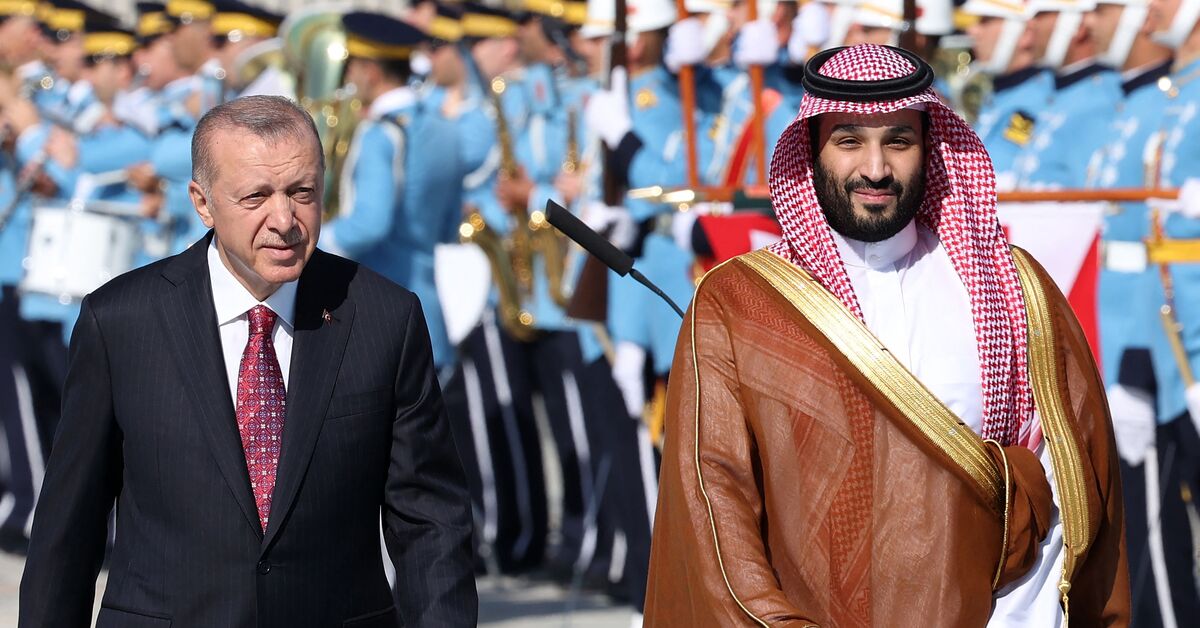
Recently, significant developments have emerged regarding a new defense alliance centered around Saudi Arabia, often referred to as the Sunni Pact. This agreement was officially signed in Mecca, a city of profound religious significance, where Turkish President Recep Tayyip Erdogan and Saudi Crown Prince Mohammed bin Salman prayed together, reflecting the importance of this moment.
The Significance of the Sunni Pact
The Sunni Pact represents a substantial shift in regional dynamics, particularly in how Middle Eastern nations collaborate on security issues. Turkeys’ involvement is particularly noteworthy, given that it possesses NATO’s second-largest military. By aligning with Saudi Arabia, Turkey enhances the kingdom’s military capabilities while simultaneously expanding its own influence in the region. The partnership opens up avenues for military cooperation, which may include the exchange of advanced weaponry and joint training exercises, creating a more formidable military presence in the area.
Implications for Regional Stability
This new alliance also raises questions about its impact on regional stability. While the Sunni Pact aims to bolster partnerships among Sunni-majority countries, it may provoke responses from neighboring nations. Iran, for example, may perceive this coalition as a direct threat to its influence, potentially escalating tensions in an already volatile region. Observers are left to ponder how this alliance will affect ongoing conflicts and political dynamics in areas such as Syria, Yemen, and Iraq.
The Kurdish Situation: A Different Narrative
In contrast to the Sunni Pact, another major storyline of the week involved the amnesty law associated with prolonged negotiations between Turkey and Abdullah Ocalan, the imprisoned leader of the Kurdistan Workers Party (PKK). This law, although a result of extensive discussions, has not yielded the anticipated results, leading some to describe it metaphorically as the mountain birthing a mouse. The Kurdish community, lacking alternatives, seems to reluctantly embrace this law, demonstrating their need for political dialogue and resolution. For more insights on this situation, additional resources are available that provide further context.
Conclusion: A Complex Regional Landscape
In summary, the Sunni Pact and the developments regarding the Kurdish amnesty law underline the complexity of the Middle Eastern geopolitical landscape. Both events showcase the intricate ties and tensions between various factions and nations in the region. As alliances are formed and negotiations continue, the path forward remains uncertain, necessitating close monitoring of how these events will evolve and their broader repercussions on regional peace and security.