
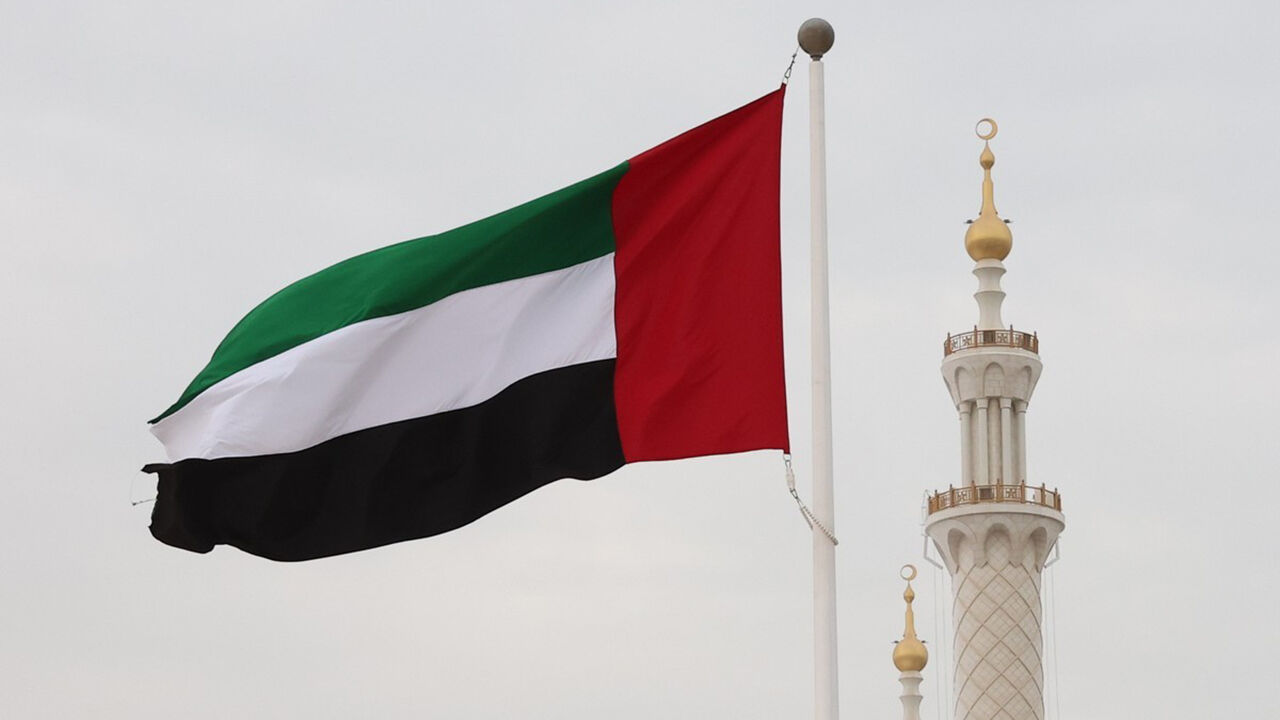
As tensions rise between the Houthis in Yemen and Gulf nations, recent diplomatic moves indicate a potential thaw in relations between Saudi Arabia and the United Arab Emirates (UAE). The ongoing aggressions from Iran-backed Houthi rebels have prompted Saudi Arabia to extend a significant invitation to the UAE, suggesting a shift in their recent strained relations and a renewed effort to collaborate in addressing mutual threats.
Saudi Arabia’s Diplomatic Overture
On the 28th of October, Saudi Arabia’s Minister of Defense, Prince Khalid bin Salman, formally invited Sheikh Mansour bin Zayed Al Nahyan, the Vice President and Deputy Prime Minister of the UAE, for a friendly visit. Sheikh Mansour has accepted this invitation and is expected to visit Saudi Arabia on the 29th. This invitation marks a notable development in the bilateral ties between the two nations, which have faced challenges regarding their roles in the ongoing conflict in Yemen.
Sheikh Mansour is the brother of UAE President Sheikh Khalifa bin Zayed Al Nahyan, and Prince Khalid bin Salman is closely related to Crown Prince Mohammed bin Salman. The familial connections at play may facilitate dialogue as both nations confront the Houthi threats, particularly after recent military maneuvers by the rebels, which have jeopardized Saudi oil export routes and targeted the Saudi mainland.
The Strained Alliance
Historically, Saudi Arabia and the UAE have shared a robust alliance, especially during the inception of the Arab coalition’s intervention in Yemen in 2015. However, differences emerged regarding control in southern Yemen and the desired post-war political landscape. While Saudi Arabia aimed to uphold Yemen’s internationally recognized government and neutralize the Houthi threat, the UAE’s focus shifted towards supporting separatist factions, primarily the Southern Transitional Council (STC), which advocates for southern Yemen’s independence.
The conflict between these two GCC countries escalated significantly earlier this year as southern separatist forces initiated independent military operations against the Saudi-backed government troops. As tensions rose, Saudi Arabia deemed these actions as a direct risk to its national security and accused the UAE of orchestrating these provocations.
Impact of Regional Conflicts
The fallout from the Yemen situation was not isolated; the two nations also experienced divergences during the Iran-UAE confrontations, particularly regarding Iran’s military activities. The UAE, severely affected by Iranian airstrikes, called for a more vigorous military response. However, Saudi Arabia’s tepid reaction and refusal to support the UAE with air defense systems created further rifts in their relationship.
Moreover, the UAE’s unexpected withdrawal from the Saudi-led Organization of the Petroleum Exporting Countries (OPEC) until May 1 exacerbated tensions. Attempts to mend these differences were weak, with social media gestures highlighting friendship amid genuine underlying strains.
Looking Forward: Prospects for Cooperation
As the military threat from the Houthis looms larger, Saudi Arabia appears to be making a calculated move to restore diplomatic ties with the UAE. The recent invitation can be interpreted as an urgent step to strengthen their alliance against shared threats. Both nations likely recognize that solidified cooperation is essential for navigating an increasingly volatile regional landscape.
In summation, the evolving dynamics between Saudi Arabia and the UAE highlight the complexity of regional politics, particularly in the context of Yemen and Iranian influence in the Gulf. Whether this diplomatic engagement leads to a revitalized and united front against the Houthis remains to be seen, yet it underscores the necessity of collaborative efforts in addressing common security challenges.