
The landscape of artificial intelligence (AI) is evolving into a complex intertwining of technology and infrastructure. Rather than merely focusing on optimizing algorithms, the next phase of AI development hinges on a multitude of practical elements. Key among them are power supply, land allocation, cooling systems, and robust construction management, all governed by public policy frameworks. As AI’s demand grows, efficient infrastructure will become crucial for sustaining its expansion.
Understanding the Infrastructure Challenge
Current discussions surrounding AI primarily revolve around the latest chips and models. While these aspects are significant, they do not fully capture the challenges facing the industry today. The pressing issue becomes securing essential resources—power, land, and permits—on a timeline aligned with market demand. The International Energy Agency (IEA) projects that global data center energy consumption will nearly double—from 485 terawatt-hours in 2025 to about 950 terawatt-hours by 2030—with AI-focused facilities causing this surge. This shift is prompting a growing concern over potential bottlenecks in energy supply and the physical infrastructure required for AI growth.
AI competition is no longer just about superior models; it has transformed into a construction race aimed at building out a reliable compute capacity. Aspirations for rapid deployment can hit snags from procurement delays and regulatory barriers, underscoring the importance of cohesive planning between utilities, landowners, and tech firms. As firms begin to grasp that winning in this space involves more than cutting-edge technology, the focus shifts disproportionately towards aligning infrastructure capabilities.
The Gulf’s Strategic Advantages
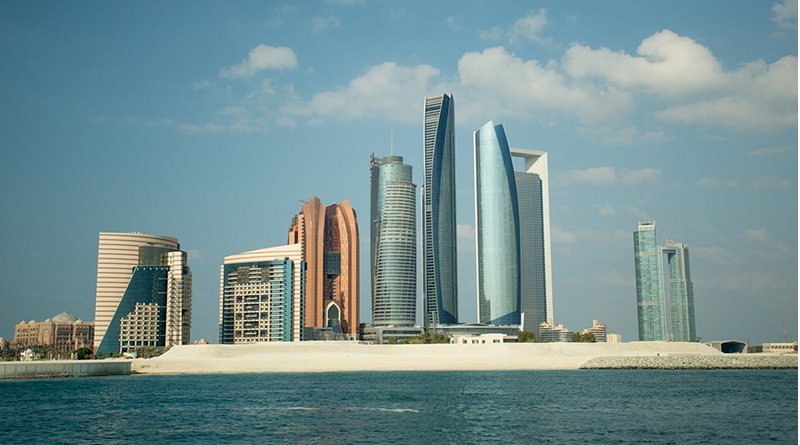
The Gulf region, particularly the United Arab Emirates (UAE), has positioned itself competitively in this evolving landscape. In contrast to many nations that react to emerging trends, the UAE established its national AI strategy in 2017, demonstrating early foresight in earmarking land for data centers and committing to significant energy investments. Noteworthy projects, such as the Barakah nuclear plant—boasting 5,600 megawatts of capacity—can provide a substantial portion of the UAE’s energy needs. Meanwhile, the Mohammed bin Rashid Al Maktoum Solar Park aims to exceed 8,000 megawatts by 2030. These groundwork investments provide the UAE with a strong foundation to support AI infrastructure, benefiting not just from its geographical advantages but from its long-term planning efforts.
However, it’s crucial to evaluate these investments against real demand rather than speculative forecasts. The future success of AI initiatives depends on their ability to integrate provisions for power, cooling, and customer commitments. Data centers must evolve beyond mere physical structures to become reliable industrial assets that can withstand the rigors of operational demands.
Concrete is Not Enough
Despite the allure of rapid development, relying solely on concrete as a strategy is misguided. Data centers must remain adaptable to the quickly changing landscape of technology and market demands. Rapid shifts in customer preferences or energy supply constraints can lead to stranded investments. Additionally, climate considerations, such as rising exterior temperatures, heighten the importance of cooling efficiency, further complicating operational planning.
Governments in the region must be judicious with their investments in data center capacity. Evaluating projects based on committed demand, credible schedules, and an understanding of the energy grid’s constraints will be critical. Sustainable growth requires transparency regarding energy and water usage, as well as a focus on proactive measures like cybersecurity and the training of local engineers to ensure that the workforce is equipped to meet the demands of an evolving industry.
In a landscape where AI competition is no longer about hype, but rather about actionable results, the emphasis must be on converting land, power commitments, and policy decisions into dependable resources. If the UAE can establish an environment that integrates trustworthy energy, secure data governance, and strong local demand, it will not only support the growth of AI but also strengthen its regional economic positioning.
The ultimate question remains: Which regions will successfully navigate the intersection of technology, infrastructure, and market dynamics to secure a competitive edge in the AI infrastructure race? By focusing on building a resilient system that balances all these facets, the groundwork can be laid for a sustainable and lucrative AI future.