
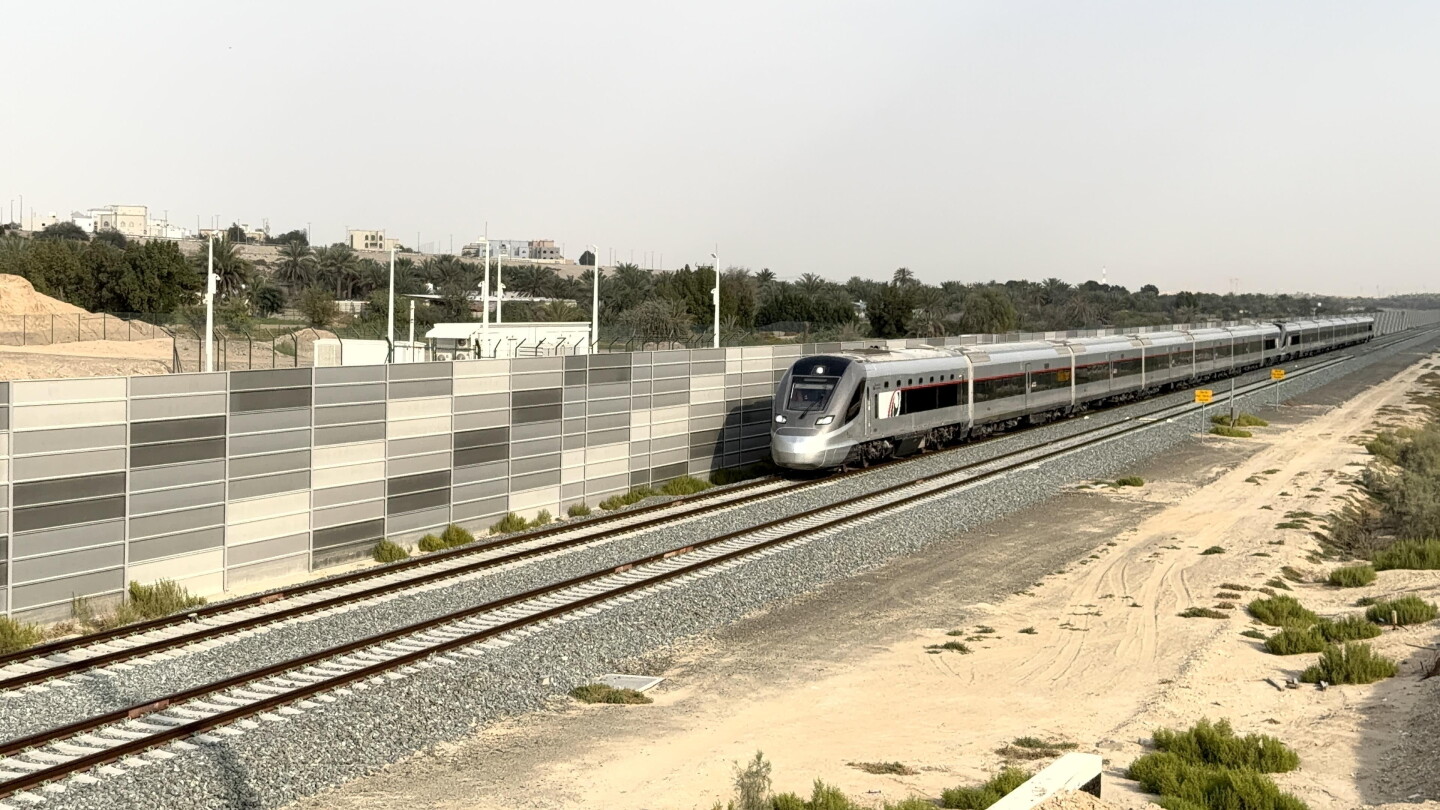
The Gulf Railway network, proposed over twenty years ago, aims to enhance economic integration among the six Gulf Arab nations through improved trade and tourism connectivity. Recent regional conflicts have underscored the urgent need for robust transportation systems that can maintain resilience in connectivity. As airspace restrictions and maritime threats become more common, these countries can no longer solely depend on shipping for transporting essential goods like food, medical supplies, and industrial materials.
Challenges of Existing Transport Alternatives
While road transportation does offer an alternative, it comes with significant challenges. Cross-border trucking is hindered by customs regulations, border procedures, and traffic conditions. Furthermore, long-distance freight is susceptible to issues like traffic jams and extreme weather. These limitations highlight the advantages of rail transport. A railway network could serve as a complementary solution, delivering a higher-capacity, more reliable corridor for both freight and passenger travel. This transition could significantly optimize logistics in the region.
Current Status of the Gulf Railway Project
In the early 2000s, the Gulf Cooperation Council initiated plans for a railway spanning approximately 1,315 miles, connecting Kuwait with Saudi Arabia, Bahrain, Qatar, the United Arab Emirates, and Oman. The goal is to achieve full operational capability by December 2030. As of May 2026, reports indicated that the project had achieved approximately 50% completion. However, this figure does not account for the differing levels of progress among the nations involved.
For instance, the United Arab Emirates has successfully completed its 560-mile Etihad Rail network that connects all seven emirates, with freight services initiated in 2023 and passenger operations beginning in June 2026. Yet, in contrast, Kuwait’s project remains in the planning phase, with significant construction still pending on its 69-mile segment. On the other hand, Saudi Arabia boasts one of the largest regional railway systems and recently tendered a 417-mile section of the Gulf Cooperation Council Railway. Other countries like Qatar and Bahrain are also at various developmental stages, indicating that synchronizing efforts remains a formidable challenge.
Strategic Importance of the Gulf Railway Network
The urgency for a reliable alternative route is starkly evident, especially during times when air and maritime avenues are compromised. The proposed railway network could effectively mitigate reliance on long-haul trucking and reinforce connections between logistics hubs, airports, and industrial zones. This infrastructure represents a strategic insurance policy for Gulf states, particularly when existing transportation systems are under pressure.
The key obstacle is not so much technological or financial, but rather the requisite political will and coordination necessary to integrate six individual national rail systems into a cohesive network. Without sustained commitment and consideration of national variances in priorities and standards, the full potential of the railway system may remain unrealized. However, if these rail lines are successfully laid and made interoperable, the region could enjoy a level of economic and security resilience currently lacking.
Broader Implications Beyond the Gulf
The strategic value of a completed Gulf Railway network could extend well beyond the immediate region. In scenarios where critical maritime routes such as the Strait of Hormuz are disrupted, a robust rail network could provide alternative trade corridors connecting Gulf Arab markets to Asia and Europe. Enhanced links through Saudi Arabia to destinations like Jordan and Turkey could open up multiple logistical pathways, thereby lessening global trade vulnerability.
In conclusion, while a railway system cannot entirely replace maritime and air transport, its establishment would create a comprehensive overland logistics corridor that integrates the economies of the Gulf states with the broader global market. This interconnectedness could foster greater economic stability and resilience against geopolitical shifts affecting traditional transport routes.