
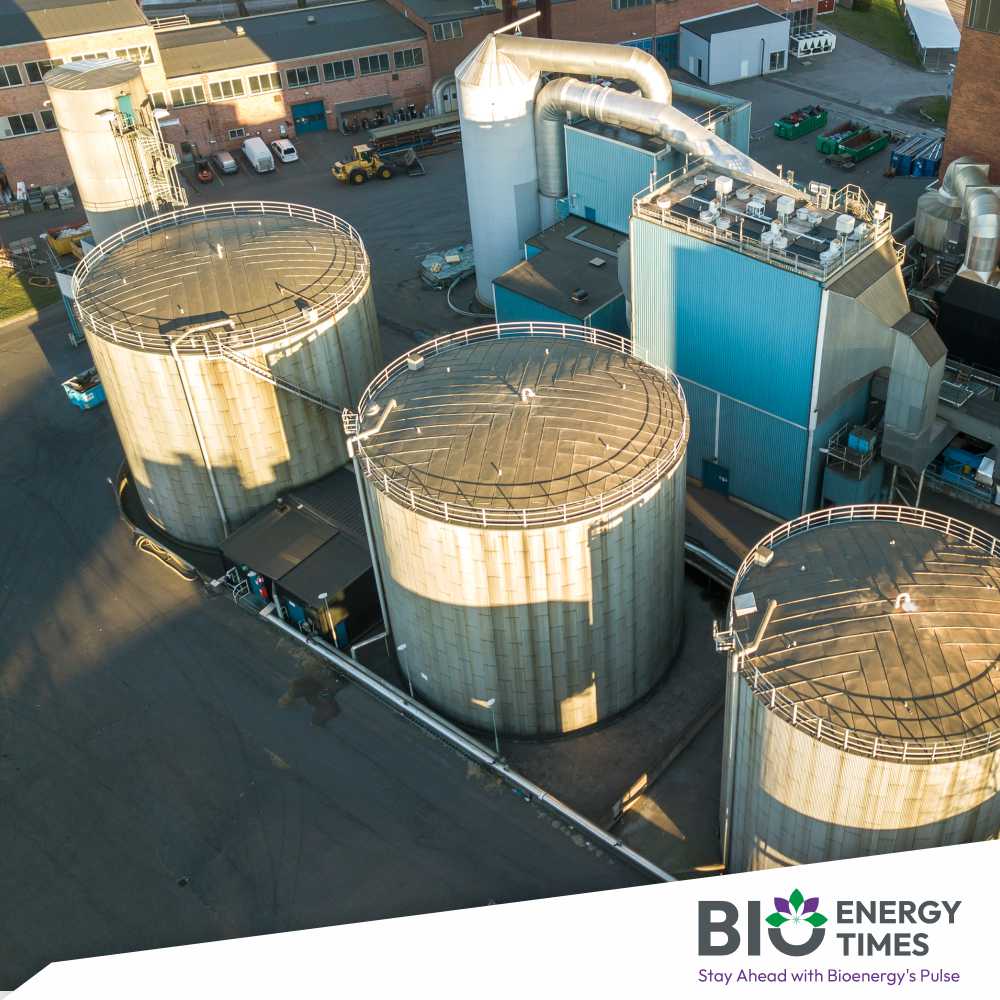
In an exciting collaboration, Emirates Biotech and the United Arab Emirates University (UAEU) are embarking on a groundbreaking two-year pilot project that aims to establish the UAE’s first integrated facility dedicated to transforming organic waste into renewable energy and compost. This innovative initiative highlights the growing emphasis on sustainable waste management and resource recovery in the UAE.
Overview of the Project
The facility will be strategically located near the UAEU campus in Al Ain and is designed to process a diverse range of organic waste, including mixed food waste and compostable packaging materials. With the ability to handle up to 40 kilograms of organic waste per day, this plant serves as a vital step towards addressing the significant amount of food waste that contributes to municipal solid waste in the region.
Running from August 2026 to August 2028, the project aims to have the installation and commissioning completed by August 2027. Throughout this period, researchers will be closely monitoring the technology’s performance, focusing on its viability from both environmental and economic perspectives. This comprehensive assessment is crucial for determining the sustainability and efficiency of the waste processing methods employed.
Cutting-Edge Waste Processing Techniques
The facility will utilize both anaerobic digestion and composting methods to manage organic waste. Initially, food waste will be transformed into biogas via anaerobic digestion. Subsequently, the digestate generated from this process will be converted into nutrient-rich compost, adding significant value to what was previously considered waste. This two-step process not only maximizes resource recovery but also contributes to a cleaner environment.
Additionally, the research team will explore the potential for converting biogas into renewable hydrogen at a laboratory scale. This innovative approach promises to extend the utility of the facility and further align with sustainability goals within the UAE.
Impacts on Waste Management and the Circular Economy
Dr. Aman Kulshrestha, chief technology officer at Emirates Biotech, emphasized that this pilot project is designed to showcase an integrated model for organic waste management that encourages resource recovery. By utilizing compostable materials, the initiative aims to enhance waste diversion and align with a circular waste management system. Currently, nearly 40% of the UAE’s daily municipal solid waste is food-related, with a significant amount ending up in landfills. This project addresses this issue directly, assessing the feasibility of processing food waste alongside compostable packaging while significantly reducing landfill contributions.
Professor Zafar Said Sher, the project lead from UAEU, noted that the research will focus on practical strategies for managing food waste and compostable items, thereby supporting the UAE’s broader initiatives in food security, circular economy, and objectives for achieving Net Zero emissions.
Educational Opportunities and Future Prospects
The project will also serve as a valuable training ground for students and researchers, providing hands-on experience in innovative waste-to-resource technologies. Dr. Rami, the associate provost for research at UAEU, highlighted that collaboration between industry and academia is crucial for pioneering research that can be transformed into scalable commercial applications.
If successful, this integrated organic waste valorization facility could reduce CO2 emissions by an impressive 89% compared to traditional landfilling methods. The outcomes of this pilot project are expected to produce critical technical data and operational guidelines, paving the way for developing similar waste processing facilities throughout the UAE and potentially beyond. This initiative not only represents a significant step towards sustainable waste management but also aligns with important environmental goals for a greener future.