
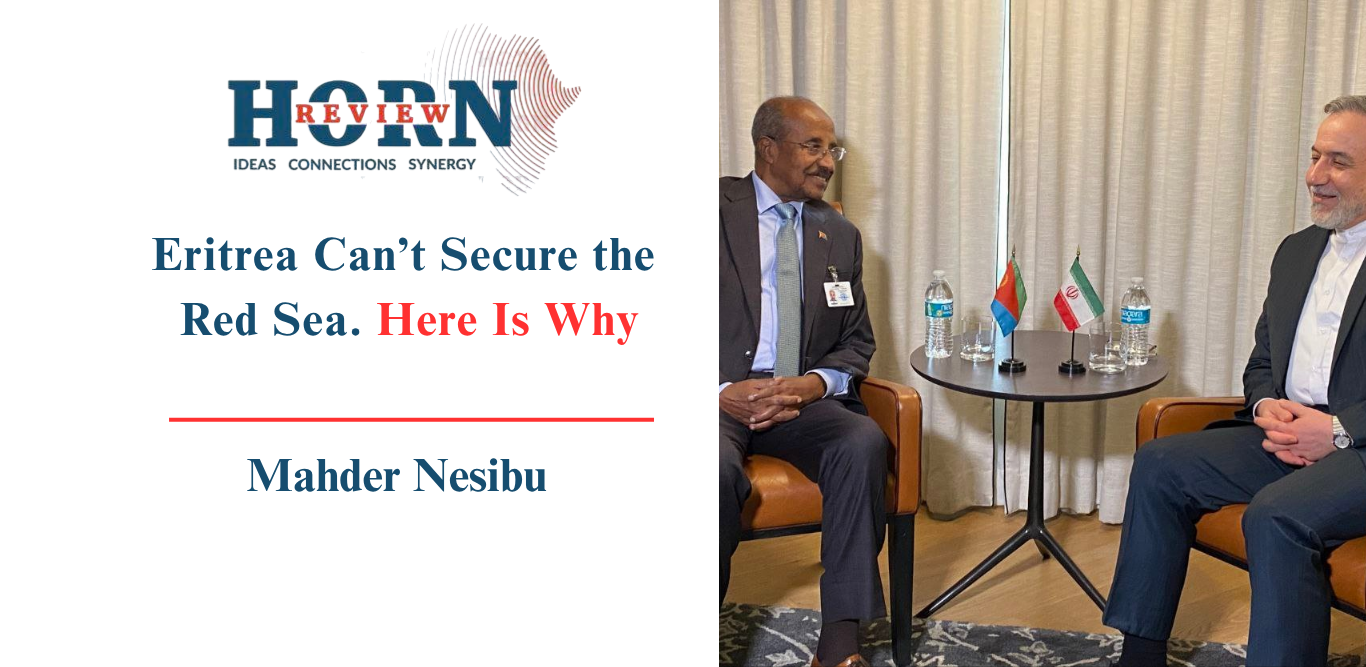
When Saudi Arabia recently established a coalition in response to Houthi actions disrupting shipping in the Red Sea, Eritrea surprisingly remained on the sidelines. While Eritrea’s president had seemingly moved closer to Saudi Arabia after falling out with the UAE, the country’s role in Red Sea security, particularly alongside Egypt, has grown increasingly ambiguous. The fallout from Houthi offensives poses significant implications for regional stability, with Eritrea’s foreign policy positioning potentially aligning more with the Houthis and Iran rather than Saudi Arabia.
The Red Sea’s Strategic Significance
The ongoing conflict between Iran and the United States, combined with tensions in Yemen, has drawn global focus to the Red Sea. Iran’s prior success in utilizing the Strait of Hormuz as leverage raised concerns that it could also threaten Red Sea navigation through Houthi forces. Eritrea, with its extensive coastline and various islands, could serve as a strategic ally, especially for the U.S., which has attempted diplomatic engagement with Asmara. Historically, however, the Houthis primarily targeted Israel, propelled by their ideological opposition and the conflict over Gaza.
As hostilities with Saudi Arabia escalated—even after negotiating a truce in 2022—the Houthi movement expanded its aggression to include blockades against Saudi vessels. This confrontation intensified as the Houthis aimed to control Yemen’s Red Sea coast, creating alarm within Saudi Arabia. Although the Kingdom and its allies have yet to take military action, nations like Egypt and Türkiye have condemned the Houthis’ actions, particularly concerning critical oil transportation routes. However, Eritrea’s recent statements indicate a divergence in alignment, hinting at a more cautious stance that could endanger overall regional security.
Eritrea’s Foreign Policy Dynamics
Eritrea’s foreign minister has refrained from condemning the Houthi blockade, declaring the Yemeni government virtually non-existent while emphasizing the looming threats posed by the UAE and Israel. This rhetorical alignment suggests that Eritrea may be hedging its position as insecurity in the Red Sea escalates. Eritrea’s cautious approach towards the Houthis likely stems from a focus on regional dynamics rather than direct involvement in maritime conflicts, maintaining a strategic neutrality.
Moreover, Eritrea’s stated commitment to “littoral state responsibility” in the Red Sea is less about international cooperation and more about controlling its southern neighbor, Ethiopia. Relations between Asmara and Addis Ababa deteriorated following their earlier engagement. Eritrea is strategically cultivating ties with Ethiopian insurgent groups, viewing the quest for Red Sea access by Ethiopia as a direct threat. Both Eritrea and Egypt are keen to block Ethiopia’s ambitions, utilizing the narrative of littoral responsibility to solidify their coast rights.
Complex Relationships in the Horn of Africa
Eritrea’s alignment with the Sudanese Armed Forces, amidst the latter’s ongoing civil war, brings another layer of complexity to the equation. Asmara has provided critical support to the SAF, including training and supply routes, effectively establishing a strategic foothold in Sudan. This partnership has positioned Eritrea as a crucial transit hub for weaponry from Iran to Sudan, linking it more closely with the Houthis.
As Eritrea continues its support for the SAF, it appears invested in enhancing its military capabilities, particularly concerning the increasingly militarized Houthi group. Such relationships may serve Eritrea’s interests against the backdrop of potential conflict with Ethiopia. The strategic significance of collaborating with the Houthis, who are expanding their military technology and capabilities, could position Eritrea to maintain an upper hand against its regional adversaries.
In conclusion, Eritrea’s foreign policy remains intricate and multifaceted, shaped by its immediate national interests rather than singular alliances. The current geopolitical landscape in the Horn of Africa and the Red Sea is characterized by fluid relationships, with the potential for Eritrea to adopt a more complex role that may complicate regional security efforts. Saudi Arabia, navigating its newfound alignments, faces challenges in addressing these dynamics, making the future of Red Sea security uncertain.