
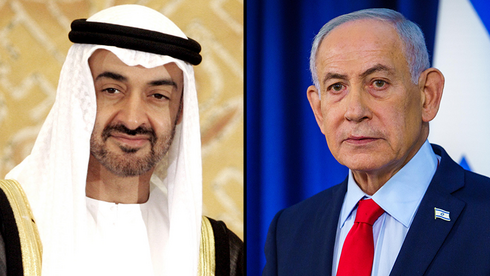
In the wake of rising tensions, a controversial report has emerged, implicating UAE’s Mohammed bin Zayed in a critical warning to Israel about a potential threat posed by Palestinian leader Yahya Sinwar. The implications of this report have sparked debates in both political and security circles, raising questions about the effectiveness of intelligence sharing between nations.
UAE’s Response to Allegations
The UAE has faced pressure from Israel to publicly deny these allegations, but their response has been somewhat ambiguous. An Emirati source stated that the UAE discusses security matters through designated institutions rather than at the leadership level. While they refrained from explicitly denying the conversation between bin Zayed and Israel’s Prime Minister Netanyahu, their statement underscored a focus on de-escalation and maintaining regional stability since the onset of heightened violence on October 7. They emphasized that relevant intelligence is routinely shared between the two countries while insisting they do not engage in speculation.
The Source of the Information
Just as the report gained traction, rumors began swirling about the identity of the individual who might have relayed this sensitive information. Mohammed Dahlan, a former high-ranking member of the Palestinian Preventive Security Force, was suggested as a possible source. However, Dahlan has remained silent amid the controversy, failing to confirm or deny any involvement. Adding another layer to the narrative, the report comes from a book by journalists Shlomi Eldar and Ruth Yuval, detailing intricate conversations between bin Zayed and Netanyahu, allegedly ignited by intel regarding Sinwar’s threats.
Details of the Alleged Warning
The investigation revealed that in early September, Sinwar reportedly signaled a potential “earthquake” regarding plans that could threaten Israel. According to the book, bin Zayed had a specialized communication method with Netanyahu, conducted through a unique application for secure conversations. During their exchange, Netanyahu reportedly sought to assure bin Zayed that Israel was prepared for any potential conflict, suggesting that any forthcoming issues would likely emerge in the West Bank rather than Gaza.
Responses from Palestinian Politicians
Further complicating matters, Sufian Abu Zaida, a former Palestinian Authority official, claimed he was the one who passed Sinwar’s warning to both Israel and the UAE. He stated that in the following days, he would provide more context about his mediation efforts in the ongoing tensions between Hamas and Israel. The details he shared about Sinwar’s message indicate a strategic warning aimed at inciting a more urgent response from Israel should negotiations falter further.
The layering of diplomatic maneuvers, intelligence communication, and regional tensions highlights the intricate dynamics of Middle Eastern geopolitics. The unfolding narrative not only sheds light on potential lapses in security but also questions the efficacy of ongoing diplomatic efforts amidst escalating threats. As the situation continues to develop, the focus remains on whether the involved parties can navigate these complexities to achieve relative stability.