
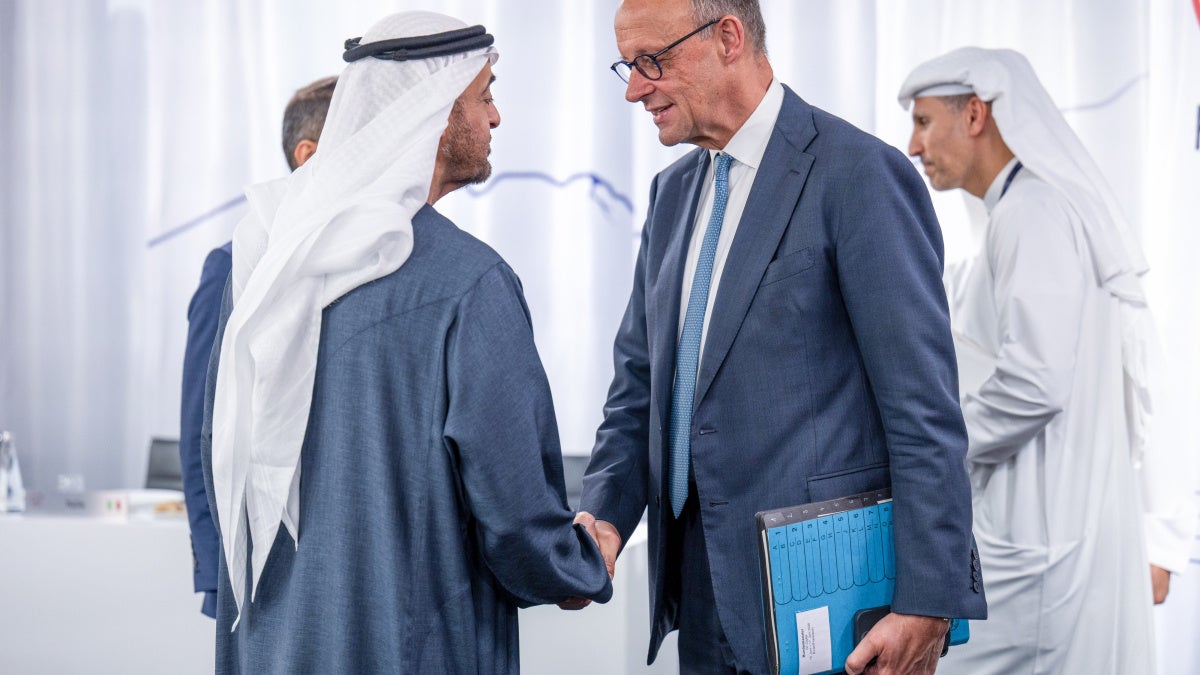
The upcoming meeting between German Chancellor Friedrich Merz, President Frank-Walter Steinmeier, and other high-ranking officials with Sheikh Mohammed bin Zayed Al Nahyan, the President of the United Arab Emirates, presents an important opportunity for Germany to address critical human rights issues. As these leaders convene in Berlin on September 10, they must use this occasion to call attention to the UAE’s concerning human rights track record and its involvement in various regional conflicts.
The Importance of Open Dialogue on Human Rights
Engaging in discussions about human rights is not just a diplomatic courtesy; it’s a moral obligation. Germany, as a leading nation in Europe, carries the weight of responsibility to uphold and promote human rights universally. By publicly addressing the UAE’s human rights violations, German officials can set a precedent for accountability and transparency. This will not only signal their commitment to ethical governance but also encourage other nations to adopt a similar stance in their foreign relations.
Addressing Regional Conflicts
Moreover, the UAE’s active role in recent regional conflicts warrants careful scrutiny. By highlighting these issues during the meeting, German leaders can underscore the need for a more stable and peaceful Middle East. The UAE’s military involvements, particularly in conflicts such as Yemen, have raised significant concerns regarding civilian casualties and the humanitarian crisis that ensues. Ignoring these facts would not only undermine Germany’s ethical stance but also diminish its credibility in advocating for peace in the region.
Collaboration for Progress
Germany and the UAE have enjoyed a robust partnership over the years, making significant strides in economic and technological collaboration. However, strengthening these ties should not come at the expense of ethical considerations. By taking a firm stance on human rights and regional stability, Germany can foster an environment where collaboration is built on a foundation of shared values. This approach can lead to a more fruitful and sustainable partnership that aligns with the principles of democracy and human dignity.
The Role of International Community
It’s crucial for the international community to stand united in promoting human rights. Germany’s actions can serve as a catalyst for other nations to engage in similar discussions with the UAE and other countries with questionable records. By taking this definitive step, Germany not only reinforces its role as a leader in human rights advocacy but also encourages a broader movement that prioritizes human dignity over geopolitical interests.
In conclusion, the meeting on September 10 is a pivotal moment for Germany to assert its commitment to human rights and regional stability. By addressing the UAE’s human rights challenges and its role in regional conflicts, German leaders can influence a positive change that resonates beyond their borders. Through open and courageous dialogue, Germany can pave the way for a more just and equitable international community, making it clear that human rights must remain at the forefront of diplomatic relations.