
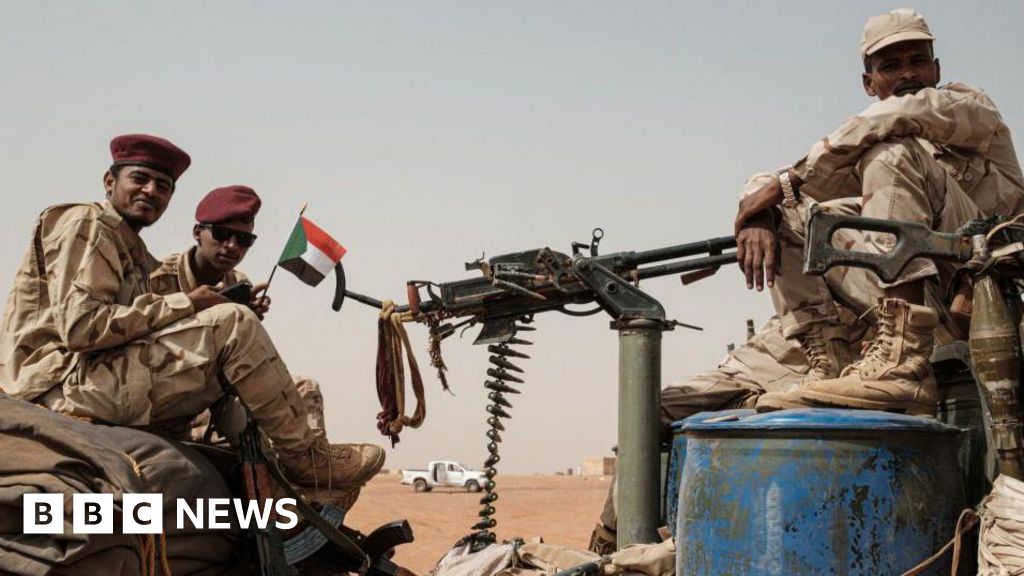
According to Human Rights Watch (HRW), there are disturbing reports regarding the training and deployment of mercenaries. This article delves into the troubling details surrounding the activities of these private armed groups in Sudan.
Training in UAE Military Facilities
Reports indicate that mercenaries received formal military training at facilities in the United Arab Emirates, specifically in Ghiyathi and Al Wathba. The selection of these training grounds raises questions about the oversight and regulation of military activities in the region. The training of these mercenaries highlights a concerning trend where private forces are groomed for combat without the same level of accountability typically expected from national militaries.
Deployment to War Zones and Human Rights Violations
Covertly deployed to various conflict zones in Sudan, these mercenaries have allegedly engaged in severe human rights abuses. Eyewitness accounts and investigations from credible organizations expose horrific acts committed by these groups. Such acts include mass extrajudicial killings, systematic rape, and heinous sexual crimes like sexual slavery. The scale and brutality of these violations raise significant alarms about the collusion between private military forces and state-sanctioned violence.
Impact on Civilian Infrastructure and Communities
The repercussions of mercenary activities extend beyond immediate human suffering. The destruction of civilian infrastructure and widespread looting significantly disrupt daily life in affected communities. With resources dwindling and essential services compromised, the long-term viability of these communities becomes increasingly precarious. This cycle of violence and destabilization must be addressed at both national and international levels to prevent further suffering.
The Need for Accountability and Reform
In light of these revelations, there is an urgent need for greater accountability and reform in the use of mercenaries. National governments and international organizations must work together to establish stricter regulations governing private military contractors. By highlighting these issues, we can advocate for a more humane approach to conflict resolution, prioritizing the protection of human rights over military expediency. The international community must stand firm on the principles that no entity, whether state or non-state, should be exempt from accountability when committing atrocities against civilians.
In summary, the troubling activities of mercenaries trained in the UAE and deployed to conflict zones pose a severe threat to human rights in Sudan. By recognizing and addressing these violations, we can work toward ensuring accountability and preventing future abuses.