
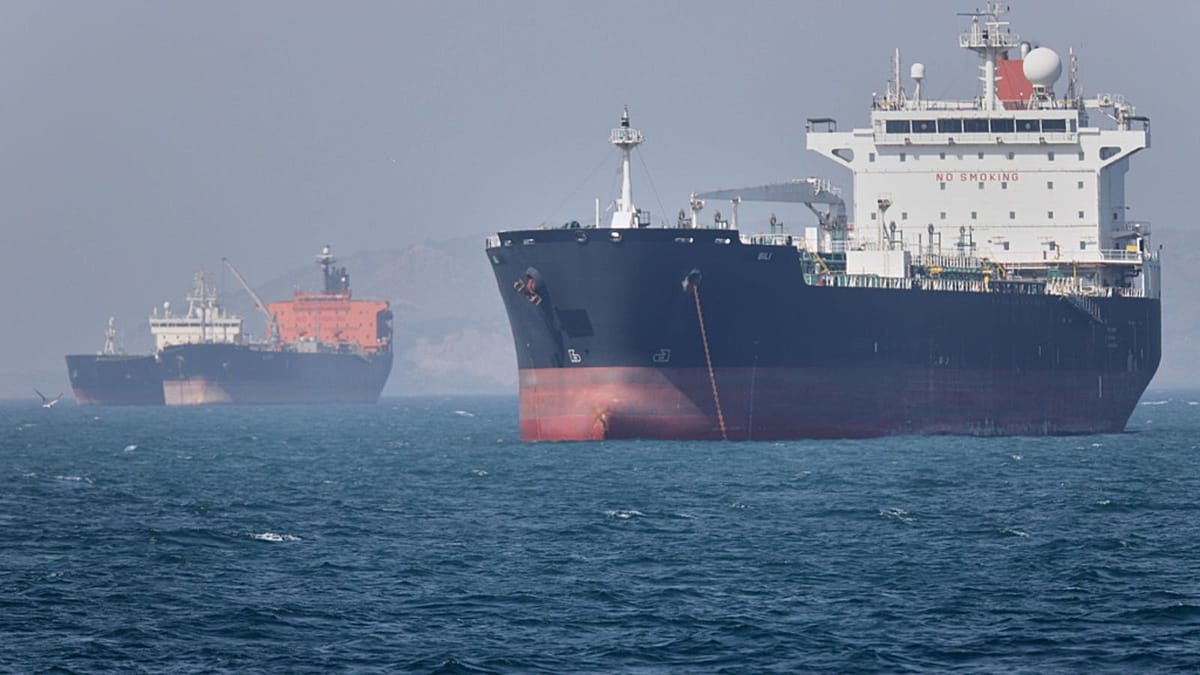
Iran has recently asserted territorial control over a segment of the Strait of Hormuz, a critical maritime passageway. This announcement has raised alarms among the Gulf states, prompting them to formally advise shipping companies against recognizing Iran’s claims.
Iran’s Territorial Claims
In a statement posted on social media, Iran’s Persian Gulf Strait Authority (PGSA) outlined a management zone extending from Kuh-e Mobarak in Iran to the southern area of Fujairah in the UAE on the eastern side, and from the end of Qeshm Island in Iran to Umm al-Quwain in the UAE on the western end. This declaration encapsulates waters that the United Arab Emirates and Oman assert as part of their sovereign jurisdiction. Vessels wishing to navigate through this claimed area are mandated to acquire prior authorization from the PGSA.
In response, Bahrain, Kuwait, Qatar, Saudi Arabia, and the UAE jointly addressed the International Maritime Organisation (IMO), advising commercial and merchant ships against engaging with the PGSA or using Iran’s asserted route for transit. This advisory was disseminated by the IMO to warn operators of potential complications arising from compliance with Iran’s claims.
Recent Developments
Earlier in May, Iran initiated a process via email for vessels looking to transit the Strait under PGSA control. The authority purportedly became operational on the following Monday. Since the onset of the ongoing conflict in Iran on February 28, which initially impeded navigation through the strait, U.S. intervention has further complicated matters. A blockade on Iranian ports and vessels was enacted by the Trump administration, exacerbating tensions in this crucial region.
Currently, the primary users of the PGSA tolling system appear to be vessels associated with Chinese interests, while no Western-flagged operators have publicly confirmed making payments due to potential exposure to U.S. sanctions. This situation illustrates the evolving dynamics in the region, with Western entities remaining wary of Iran’s intensified assertions.
Geopolitical Implications
The Institute for the Study of War, based in Washington D.C., noted that Iranian officials are divided regarding nuclear negotiations yet unified in their insistence on formalizing control over the Strait of Hormuz. The think tank remarked that Iran’s ongoing claims appear to signal a belief among its officials that they have gained the upper hand in regional tensions. Iran’s newly illustrated zone extends further than previous claims, marking a calculated expansion of its territorial assertions.
This enlargement of Iranian claims could potentially threaten maritime security and prompt further geopolitical friction in the Gulf region. The UAE’s port of Fujairah, crucial for oil exports, particularly enhances its strategic significance, as it is designed to circumvent the Strait of Hormuz, highlighting the intricate interplay of regional interests.
Iran’s Military Advancements
Amidst these developments, Iran has reportedly been utilizing the ongoing ceasefire to bolster its drone and missile capabilities. U.S. intelligence officials indicated that Iran has accelerated its drone production, a task that presents significant challenges for external monitoring and disruption due to the less specialized components involved compared to ballistic missile production.
Furthermore, U.S. sources have alleged that both China and Russia are providing assistance to Iran in its military rebuilding efforts, although details of this support remain unclear. Currently, no consensus has been reached between Iran and the U.S. regarding nuclear negotiations, leaving fundamental issues like the management of enriched uranium stockpiles unresolved. This persistent division underscores the complex and volatile geopolitical landscape in which Iran is amplifying its territorial claims and military capabilities.