
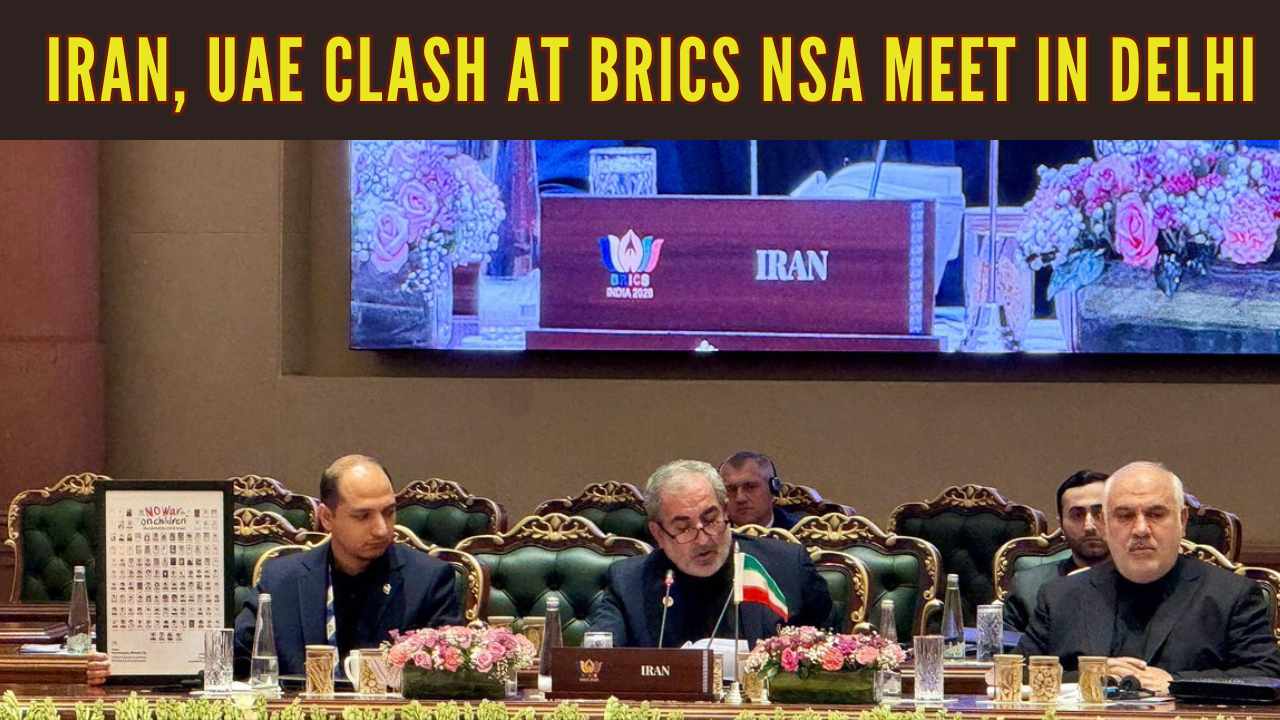
Tensions Rise Between Iran and the UAE: A Closer Look
In recent developments, tensions between Iran and the United Arab Emirates (UAE) have escalated, particularly as Iran has accused the UAE of backing military actions directed against it. This volatile situation has sparked significant concern and debate within the region and among international observers.
Iran’s Accusations Against the UAE
Iran has openly criticized the UAE, alleging that it has provided support for military operations that are viewed as direct aggression against Tehran. These accusations arise in the context of ongoing geopolitical strife involving the US and Israel, both of which have historically been adversarial towards Iran. Tehran’s claims underscore a narrative that sees the UAE’s alignment with Western powers as a threat to its national security. While Iran seeks to portray itself as a victim of external instigation, the UAE firmly counters these allegations, emphasizing its commitment to regional stability and diplomacy.
The UAE’s Rejection of Claims
In response to Iran’s assertions, the UAE has categorically denied any involvement in military actions against Tehran. Abu Dhabi has stated that it prioritizes peaceful relations in the region and is committed to de-escalating tensions. This rebuff reflects the UAE’s broader strategic goal of maintaining a balanced approach in its foreign policy, especially amidst the complex dynamics shaped by the ongoing Israeli-Iranian rivalries. The UAE’s efforts to advocate for dialogue rather than confrontation highlight its desire to foster an atmosphere of cooperation and peace, rather than participating in military hostilities.
Geopolitical Implications
The allegations from Iran and the subsequent denial by the UAE have significant implications for regional stability. The accusations come at a time when Middle Eastern geopolitics are increasingly influenced by the actions and alliances of external powers, particularly the US and Israel. The ongoing friction can exacerbate sectarian divisions and territorial disputes, further complicating efforts toward peace in the region. As both nations navigate this charged atmosphere, their diplomatic tactics will be crucial in determining the potential for escalation or resolution of their differences.
Call for Diplomatic Engagement
In light of these tensions, there is a pressing need for enhanced diplomatic engagement between Iran and the UAE. As both nations grapple with their grievances, stakeholders from both sides can benefit from open channels of communication. Engaging in dialogue may not only alleviate the immediate friction but also lay the groundwork for long-term strategies that promote mutual understanding and cooperation. International observers will be watching closely, as the ability of both nations to navigate this crisis can potentially reshape the future of regional diplomacy.
In summary, the accusations from Iran regarding UAE’s military support combined with the latter’s rebuttal illustrate the complexity of Middle Eastern politics. As both nations contend with the ramifications of these tensions, it remains critical to pursue paths toward de-escalation and constructive dialogue. Continued scrutiny and involvement from external powers may also play a role in stabilizing the region, affecting how both countries approach their relationships with one another and the wider world.