
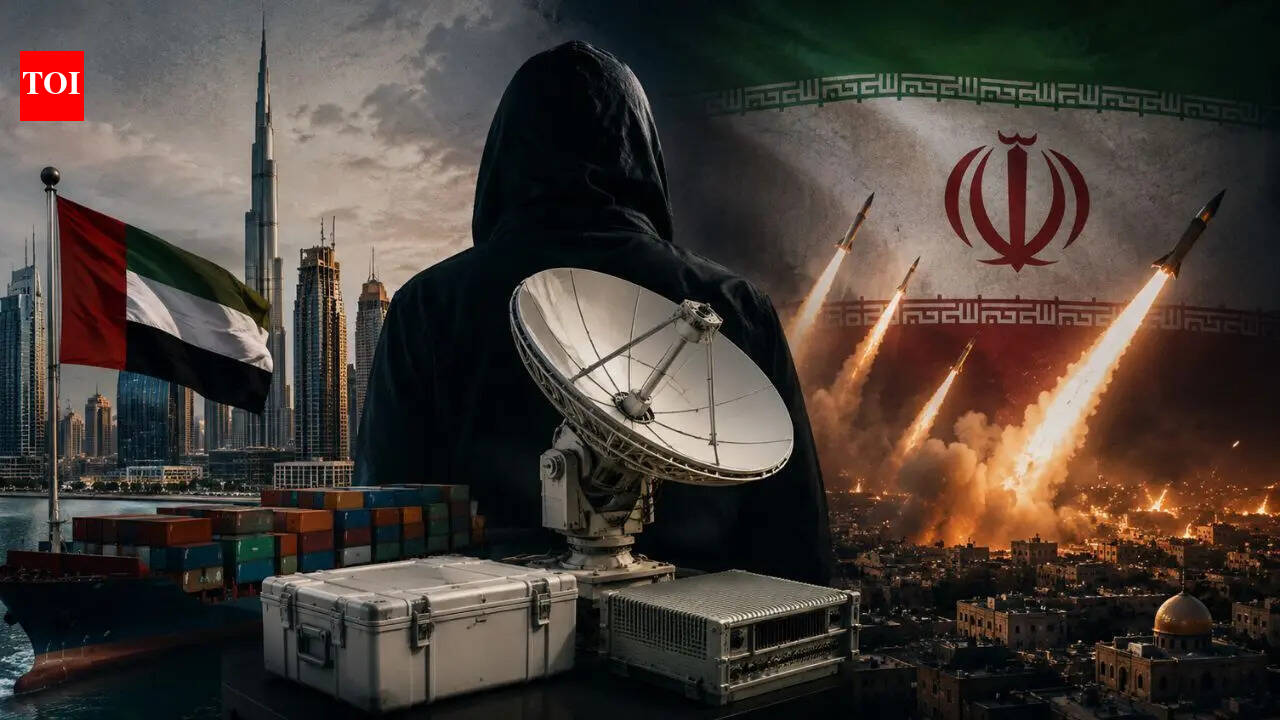
Iran’s military capabilities are under scrutiny following revelations that its elite Revolutionary Guards (IRGC) acquired sophisticated Chinese satellite communication technology through a network operating in the United Arab Emirates (UAE). This procurement is particularly alarming as it relates directly to Tehran’s drone and missile programs, showcasing the potential for such technology to exacerbate tensions in the region.
The Procurement Network in the UAE
According to leaked records reviewed by the Financial Times, a company named Telesun, based in Ras al Khaimah, facilitated the covert acquisition of military-grade Chinese satellite antennas. In late 2025, the IRGC Aerospace Force received these critical components, which were shipped from Shanghai, arriving at Dubai’s Jebel Ali container port. Documents indicate that the equipment was intentionally misrepresented in shipping records to obscure its true destination in Iran, highlighting the lengths to which Iran is willing to go to bypass international sanctions designed to target its military dealings.
Escalating Regional Tensions
The timing of these shipments coincided with Iran’s significant retaliation against US-Israeli strikes, wherein the Gulf state became the target of over 2,800 drone and missile attacks, including strikes on civilian areas. Despite ongoing political tensions, the UAE serves as a vital commercial hub for Iranian businesses, making it a focal point for illicit procurement opportunities. Experts warn that the UAE’s free trade zones—with their often limited oversight—facilitate a range of activities that could compromise regional security.
Deceptive Practices in Shipping
Further investigation into the shipping logistics unveiled that the Iranian vessel Rama III, tasked with transporting the antennas, employed deceptive navigational strategies to conceal its movements. Maritime GPS data revealed discrepancies suggesting the ship transmitted false location data, a tactic often referred to as “spoofing.” Such methods raise serious concerns about the lengths to which Iran will go to obfuscate its military shipments. Notably, the vessel arrived in Iran shortly after dodging visibility in open waters.
The Role of International Entities
The equipment acquired was tied to Ertebatat Faragostar Kish, an Iranian telecommunications entity, while Telesun’s involvement indicates the broader web of international entities that facilitate Iran’s military endeavors. The U.S. Treasury has already imposed sanctions on entities like Saman Industrial Group for their connections to the IRGC’s ballistic missile and drone operations, reinforcing the urgent need for international cooperation to combat these illicit networks.
In summary, the revelations surrounding Iran’s acquisition of Chinese technology highlight a significant gap in the enforcement of international sanctions and the urgent need for heightened vigilance among Gulf states and global authorities. The situation underscores the substantial risks that such procurement activities pose not just to the immediate region, but to global security as well. As the international community calls for stricter oversight of commercial networks in the UAE, the implications of these actions will continue to provoke debate and concern in diplomatic circles.