Iran’s recent pronouncements regarding the Strait of Hormuz have sent ripples across the Middle East. Meanwhile, the United Arab Emirates reported that one of its vessels was struck by an Iranian missile. In Yemen, the military launched strikes against Houthi rebels backed by Iran. Additionally, Turkey’s proposed Kurdish peace bill has received parliamentary approval.
Here’s a detailed overview of recent developments across the Middle East.
Iran’s Stance on the Strait of Hormuz
Iran’s Supreme National Security Council has made it clear that the Strait of Hormuz will remain closed until the United States amends its approach. According to Mohammad Bagher Zolghadr, the council’s secretary and a key figure within the Revolutionary Guard, Tehran has outlined specific conditions concerning its relationship with the U.S. The statement demands that the U.S. cease threats against Iran, end its military actions in the region, and lift the blockade on Iranian ports. Moreover, Iran insists on compensation for damages incurred during past conflicts, the removal of sanctions, and the unconditional release of frozen assets.
The U.S. has refrained from commenting on these demands. Earlier agreements suggested negotiations regarding sanctions and asset release would be part of a final settlement concerning the waterway. Furthermore, Iran hinted at nearing a separate accord with Oman regarding the strait, despite asserting that conditions hinge on U.S. compliance.
Prospects for an Iran-Oman Agreement
The Strait of Hormuz is vital for global oil and gas trade, and discussions between Iran and Oman are centered around temporarily reopening it for navigation. Information suggests that this deal would facilitate a shipping route allowing vessels to enter from the Iranian side and exit on the Omani side, all without incurring fees during the interim period. The agreement aims to revive a prior understanding between the U.S. and Iran while setting a timeline for renewed negotiations over Iran’s nuclear program.
While members of the Gulf Cooperation Council appear to support this initiative, the specifics are still under deliberation. Final announcement expectations include assertions from Iran, Oman, the United States, and the International Maritime Organization.
Strikes on Vessels in the Strait of Hormuz
The tension escalated when the United Arab Emirates confirmed that a missile struck a vessel operated by ADNOC, its state-owned oil and gas company. Fortunately, there were no casualties from this early morning assault. The firm reported that numerous incidents involving missiles and drones targeting their vessels have been recorded since escalating conflicts began earlier this year. The UK Maritime Trade Operations Center also noted an undefined vessel was hit by a projectile, causing a temporary fire.
These acts against shipping underscore the precarious situation in the region, escalating fears over maritime security in this critical waterway.
Yemen’s Military Responds to Houthi Attacks
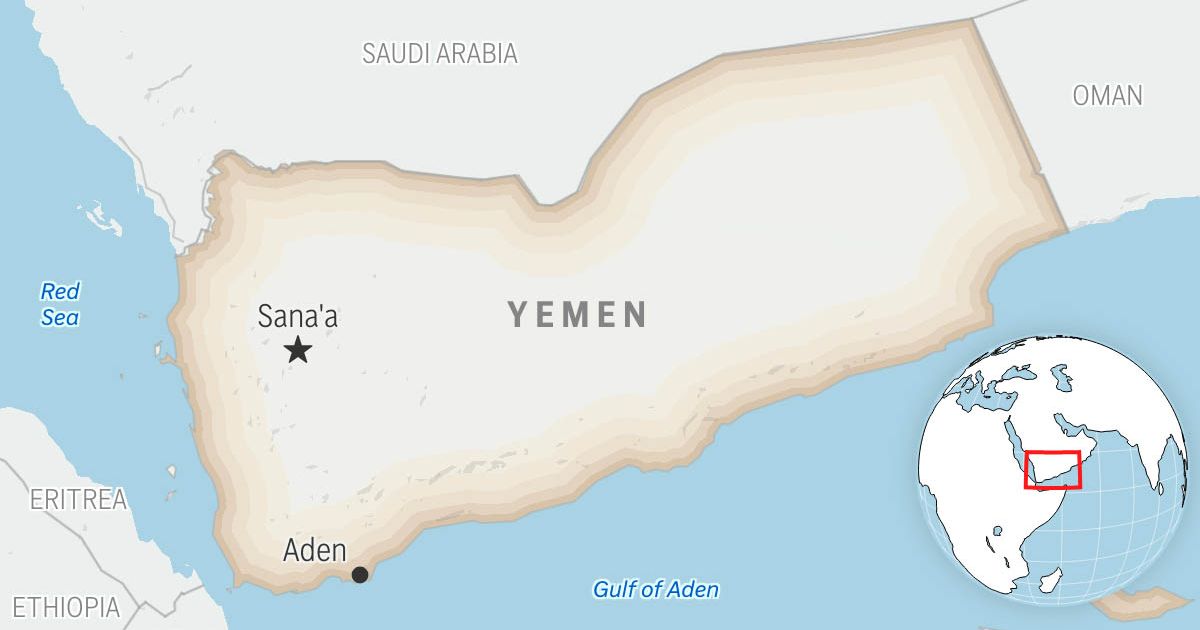
In Yemen, the military has taken offensive actions against Houthi insurgents, responding to their recent attacks in central and eastern regions. Colonel Majed al-Nazili, military spokesperson, indicated that these strikes were aimed at diminishing the Houthis’ operational capabilities. With rising tensions following a ceasefire last year, the looming threat of renewed civil conflict casts a shadow over the region.
Progress on Turkey’s Kurdish Peace Initiative
In Turkey, a draft law aiming to address longstanding issues related to the Kurdish insurgency has advanced in parliament. This legislation outlines the procedures for disarming members of the PKK and rehabilitating those who abandon armed conflict. This initiative is supported by last year’s declaration from the PKK to disband as part of broader peace efforts. If approved in the general assembly, this measure marks a significant step towards resolution in a conflict that has claimed countless lives since it began in the 1980s.
As developments evolve, the geopolitical landscape of the Middle East remains dynamic and complex, with regional powers continuing to seek stability amidst unprecedented challenges.