
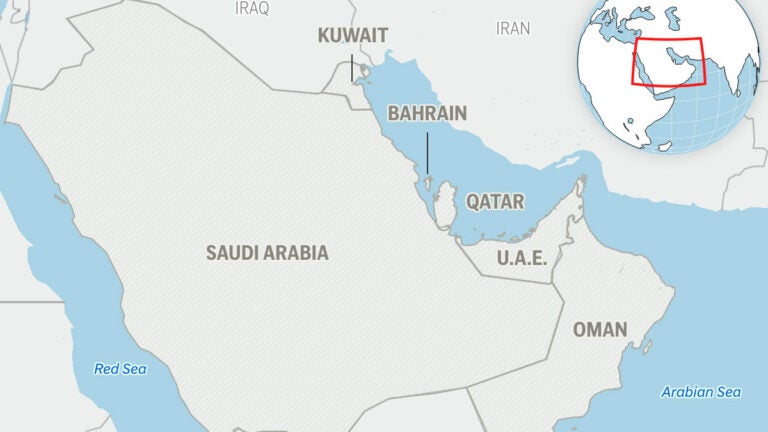
Iran’s ongoing conflict with the United States has escalated significantly, with Tehran recently communicating its response to a U.S. proposal for peace. President Donald Trump swiftly dismissed Iran’s terms on social media, labeling them “TOTALLY UNACCEPTABLE!” This rejection exemplifies the challenges of achieving stability in the Persian Gulf, where shipping routes have been disrupted and energy prices have surged.
Iran’s Stance on Proposed Peace Terms
Tehran’s response came via mediators from Pakistan, categorically denying the U.S. proposal as tantamount to capitulation. Instead, Iranian officials insisted on demands for reparations, complete sovereignty over the strategic Strait of Hormuz, the end of sanctions, and the return of confiscated Iranian assets. The proposal from Washington aimed to end hostilities, reopen vital shipping lanes, and curtail Iran’s nuclear ambitions, which have raised alarm internationally.
Trump’s rebuttal to Iran’s conditions did not provide specifics but accused Tehran of “playing games” for nearly half a century. As tensions deepen, the U.S. ambassador to the United Nations emphasized that the current diplomatic efforts aim to prevent an escalation into renewed conflict. The situation remains precarious, as Iran’s leadership continues to emphasize its military readiness and resolve.
Incidents Illustrating Escalating Tensions
Recent events have cast doubt on the efficacy of the fragile ceasefire. A drone attack sparked a fire on a commercial vessel near Qatar, while both the United Arab Emirates and Kuwait reported incursions into their airspace. The UAE claimed to have intercepted two drones, attributing the incident to Iranian actions, although the specifics remain murky. Qatar condemned the ship attack as an “unacceptable escalation” that threatens regional maritime security.
In tandem with these events, Iran and its allied militias have utilized drones to execute hundreds of strikes since the hostilities began. This strategy has shifted the balance of power in the region, as the conflict has disrupted one of the world’s primary oil shipping corridors, thereby impacting global markets. Trump has consistently warned that failure to reach an agreement could lead to renewed military offensives against Iran, a sentiment echoed in actions that have intensified the blockade of Iranian ports.
The Nuclear Program and International Implications
Compounding this volatile situation is Iran’s nuclear program. The International Atomic Energy Agency has reported that Iran possesses over 440 kilograms of uranium enriched to 60%, dangerously close to weapons-grade levels. As tensions escalate, Israeli Prime Minister Benjamin Netanyahu has stressed that the conflict is far from resolved, emphasizing the urgency to address the enriched uranium stored within Iran.
To prevent further escalation, Russian President Vladimir Putin has offered to assist with negotiations over Iran’s uranium supply, showcasing the complexity of international diplomatic dynamics involved. Meanwhile, Iran’s deputy foreign minister has cautioned against foreign military involvement in the Strait of Hormuz, vowing a robust response to any external threats.
As these geopolitical tensions continue to unfold, the situation remains fluid and unpredictable. The international community watches closely as events in the Persian Gulf could have far-reaching implications beyond regional stability, affecting global economic structures reliant on safe maritime trade routes. The urgency for a peaceful resolution is paramount as the stakes continue to rise on all fronts.