
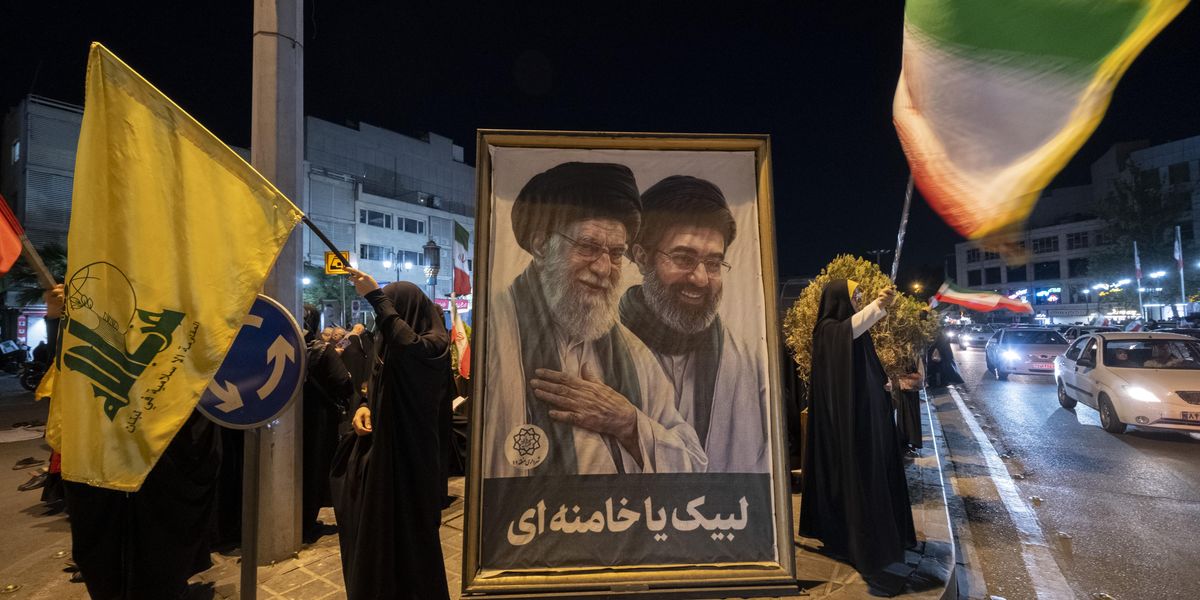
The situation in the Persian Gulf remains precarious, despite recent ceasefire talks and potential agreements between the United States and Iran. Ongoing military exchanges have occurred, highlighting tensions that threaten to escalate beyond control. These skirmishes, which reportedly resulted in the deaths of Iranian naval personnel, suggest that while both sides manage to avoid full-scale conflict for now, the volatile environment poses significant risks of renewed hostilities.
New Threats Emerge Beyond the Gulf
Interestingly, the greatest threat to the ceasefire has shifted focus from the Gulf itself to Israel’s actions, particularly its continued military operations in Lebanon. Iran insists that any ceasefire agreement must involve a regional approach, encompassing not only the US and Iran but also Israel and Lebanon. This is crucial for Tehran, which feels a strong sense of obligation towards the Palestinian and Lebanese populations. A failure to adequately support these groups could severely undermine Iran’s credibility within a coalition known as the “axis of resistance,” thus weakening its political standing in the region.
The Interconnected Nature of Conflicts
The ongoing conflict with Israel has repercussions that go well beyond Lebanon, potentially reigniting direct confrontations between Iranian and Israeli forces. Tehran views these conflicts as interconnected, with Western narratives often designating Iran as the nucleus of resistance to Israeli and American interests in the region. Thus, from Iran’s perspective, any lasting peace must involve a cessation of Israeli assaults not just in Gaza, but also in Lebanon. This intertwining of military actions makes a broader ceasefire a fundamental requirement for stability.
US Capacity to Influence Israel
For Iran, the manner in which the United States handles the situation with Israel serves as a litmus test regarding its commitment to the ceasefire. If the US, led by President Trump, is unable or unwilling to hold Israel accountable for its military behavior, the feasibility of any agreement becomes questionable. A ceasefire that does not constrain Israeli actions could potentially reengage the US in conflict, drastically reducing the value of a deal with Washington. In this delicate situation, Trump’s role in mediating between Israel and Iran could echo past moments in history when assertive American diplomacy shifted the course of conflict.
Potential Iranian Strategies
Should a ceasefire agreement falter due to Israeli noncompliance, Tehran may consider unconventional strategies, including retaliatory actions against UAE assets, a close ally of Israel. This suggestion reflects a growing sentiment among Iranian officials who believe that Tehran has notably restrained itself during recent escalations. The idea of a “UAE for Lebanon” strategy implies that if Israel continues to target Iranian allies in Lebanon, Iran may feel justified in responding against its regional adversaries. This approach carries considerable risk, as it could provoke military responses that would escalate tensions dramatically.
Overall, the regional dynamics in the Persian Gulf underscore a precarious balance between conflicting interests, with multi-layered implications for the broader Gulf Cooperation Council. Although regional states might not favor a conflict, the failure to address disparities might push Iran and its adversaries toward further instability. The potential for Iranian actions against the UAE demonstrates how complex alliances have transformed the Gulf into a battleground for a larger Israeli-Iranian rivalry, raising serious questions about the future of peace initiatives and regional stability.
Navigating this turbulent landscape requires deft diplomacy. A balanced agreement involving the involvement of all regional actors, particularly Israel, could foster much-needed stability. In contemplating its strategies, Iran symbolically reinforces the stakes involved in the broader negotiations while reminding the international community of the precarious nature of ceasefires in such a volatile environment.