
The United Arab Emirates (UAE) has voiced strong disapproval regarding the recent missile and drone assaults attributed to Iran, targeting Bahrain, Kuwait, and Jordan. This condemnation underscores the UAE’s commitment to regional stability and the sovereignty of its neighboring states.
UAE’s Firm Stance Against Iranian Aggression
In an official statement released by the UAE’s Ministry of Foreign Affairs, the country characterized these attacks as blatant violations of territorial integrity. The ministry reaffirmed its unwavering support for Bahrain, Kuwait, and Jordan, emphasizing that such aggression poses a significant threat to the overall security landscape in the Middle East. The UAE’s position highlights a collective regional effort aimed at ensuring the safety and stability of its allies, while also advocating for diplomatic solutions to avoid escalation.
Air Travel and Transportation Updates for UAE Residents
As regional tensions continue, air travel throughout the UAE maintains a normal operational status. Dubai International Airport (DXB) continues to function efficiently, with CEO Paul Griffiths announcing that passenger volumes have largely remained unaffected, reporting over six million travelers since the onset of these conflicts. This illustrates the resilience of the UAE’s travel infrastructure, even in a tumultuous geopolitical climate.
Airlines Adjusting Services
Major airlines such as Etihad Airways and Emirates have adjusted their schedules in response to the situation. Etihad has announced the extension of service cancellations on specific routes to Kuwait, including flights EY653 and EY654, until July 24. Similarly, Emirates has suspended several services between Dubai and Kuwait, ensuring that travelers are informed beforehand. Passengers are encouraged to verify their booking statuses and keep their contact information updated to receive timely updates.
Strait of Hormuz Shipping Developments
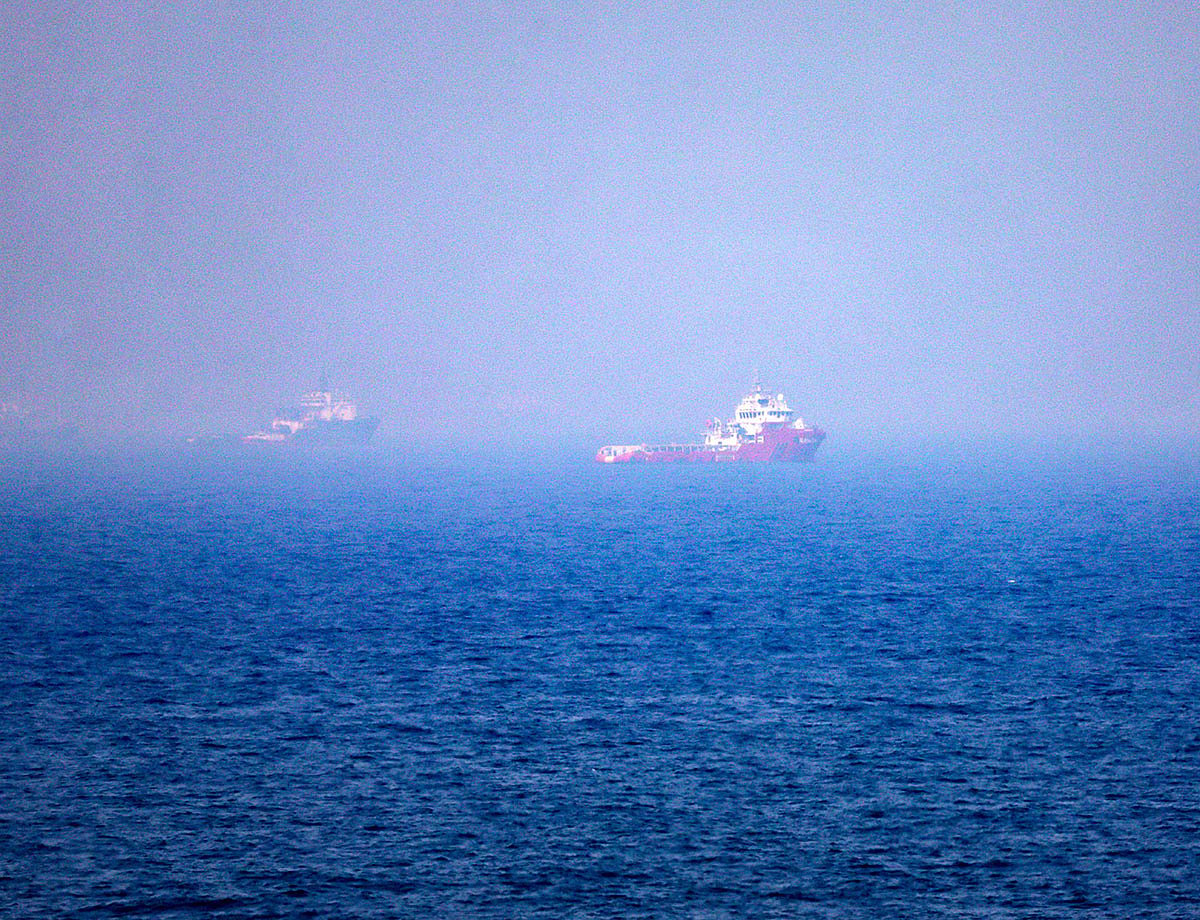
In terms of maritime activity, the US Central Command (CENTCOM) reported substantial assistance in the passage of commercial vessels through the strategically vital Strait of Hormuz. However, a notable decrease in shipping activity has been observed, with reports indicating a drop from seven vessels crossing the strait to only four within a single day. This decline reflects operators exercising heightened caution amid the ongoing tensions. Additionally, Iran’s Revolutionary Guards recently announced the interception of two oil tankers they deemed “non-compliant,” stressing the ongoing volatility in the region.
Regional Responses to Current Tensions
In the broader regional context, Qatar publicly condemned accusations made by the Houthi military spokesperson against Saudi Arabia, reiterating its alignment with Riyadh and advocating for secure navigation in international waters. Meanwhile, the Lebanese army has begun deploying along the southern border, integrating into areas that were under Israeli control, further complicating the region’s security dynamics amid a US-supported agreement.