
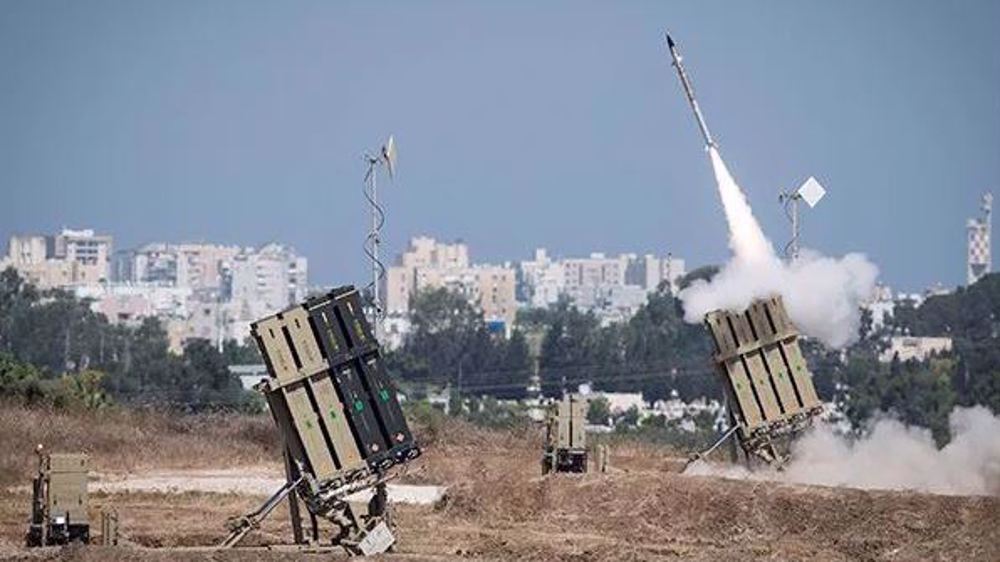
An Israeli cabinet member recently confirmed the deployment of the Iron Dome defense system to the United Arab Emirates (UAE) amid the ongoing US-Israeli conflict involving Iran. This revelation highlights the increasing military collaboration between Israel and certain Gulf states, particularly during this turbulent time.
Confirmation of Iron Dome Deployment
Miri Regev, Israel’s Minister of Transportation, disclosed in a radio interview that the UAE is receiving substantial support from Israel, especially concerning threats posed by ballistic missiles. This statement marks the first official acknowledgment from a senior member of the Israeli government about the Iron Dome’s presence in the UAE. Prior to Regev’s comments, US media had reported that Israel had already dispatched Iron Dome systems along with personnel to operate it at the beginning of the conflict.
In late April, Axios reported that Israeli Prime Minister Benjamin Netanyahu authorized the military to send the Iron Dome, including interceptors and dozens of personnel, following a discussion with Emirati President Mohammed bin Zayed. This initiative illustrates not only the urgency of the situation but also the strategic partnerships forming in the region.
Background of the Conflict
The conflict between the US, Israel, and Iran escalated dramatically when military actions were launched on February 28. The conflict employed various Persian Gulf nations, including Bahrain, Saudi Arabia, Qatar, and the UAE, as launching pads for airstrikes against Iran. Over 40 days of intense hostilities resulted in Iranian Armed Forces executing more than 100 missile and drone retaliatory strikes against targets in the occupied territories and US bases across the region, including Emirati soil.
Iran has consistently warned that any nation aiding in aggression will be held liable for their actions. It has also called for compensation from the Gulf states for allowing their land to be utilized for these military assaults against Iran.
UAE’s Active Role in the Conflict
Current reports indicate that the UAE has played a more direct role in the US-Israeli military operations by launching airstrikes on Iranian targets. Even after a ceasefire was declared in April, Emirati forces continued to attack Iranian sites, as reported by the Wall Street Journal. Targets included critical infrastructure such as strategic sites in the Qeshm and Abu Musa islands, as well as facilities in Bandar Abbas.
The Emirati military has also targeted the Lavan Island oil refinery and the Asaluyeh petrochemical complex, significantly impacting Iran’s energy infrastructure. This ongoing military involvement reveals just how deep the collaboration between Abu Dhabi and Tel Aviv has become during this conflict.
The Growing Alliance between Israel and the UAE
Reports of a close alliance between the UAE and Israel have grown amid the war, with high-profile visits from Israeli officials, including the Prime Minister and the head of Mossad. These relationships continue to develop as both nations navigate their mutual interests against shared adversaries, particularly Iran. The significant military cooperation suggests a shift in regional dynamics, illustrating how geopolitical alliances are evolving in response to perceived threats.
As tensions between Iran and its neighboring nations persist, the ramifications of this military partnership could have far-reaching implications for security and stability in the Gulf region. The involvement of the UAE alongside Israel in these operations further entrenches their alliance and hints at a robust military collaboration that may shape future conflicts in the area.