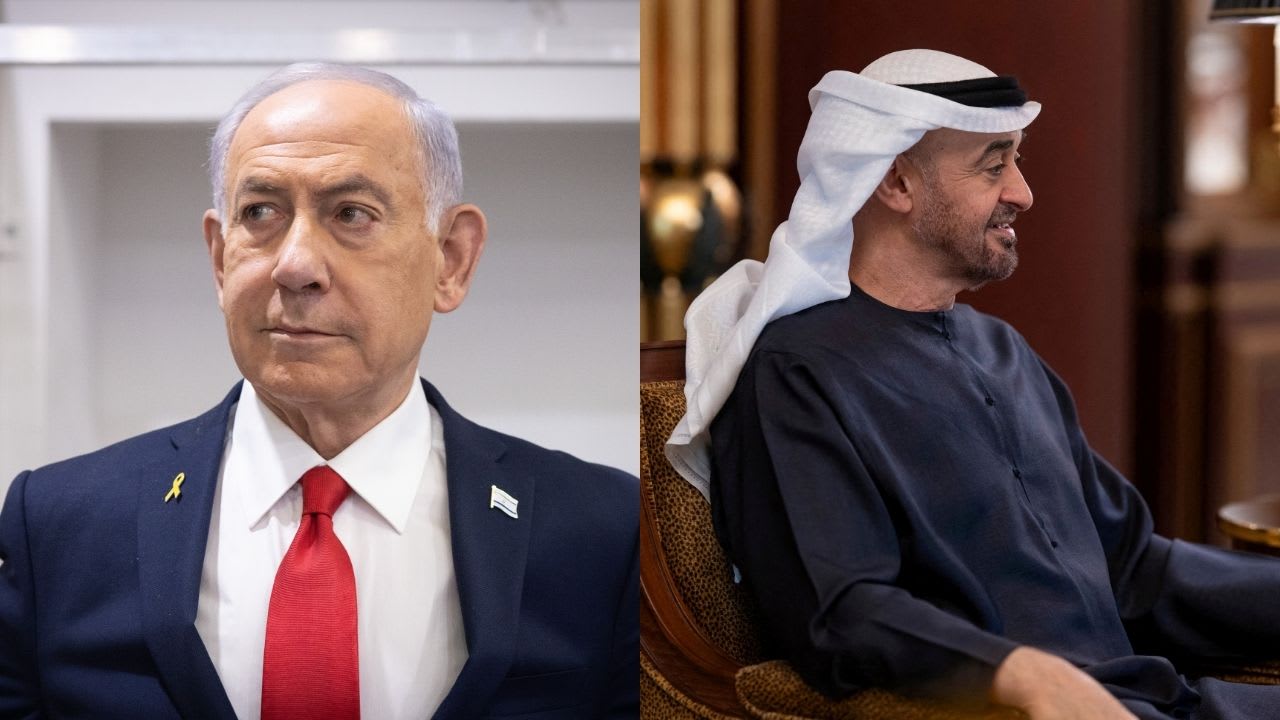
The recent conflicts involving Iran have emphasized the critical importance of the alliance between Israel and the United Arab Emirates (UAE). This partnership not only addresses immediate regional tensions but also opens avenues for broader collaboration, enhancing both nations’ strategic positioning in the Middle East.
Commitment to Regional Stability
The UAE has consistently shown a determination to maintain regional stability, distinguishing itself from some other players in the area. This commitment can be seen in its proactive measures during various conflicts, particularly in its ongoing efforts against extremist groups across the Middle East and the Horn of Africa. The UAE’s initiatives have focused on safeguarding vital trade routes, reinforcing its role as a stabilizing force amid mounting tensions.
During the recent hostilities, the UAE faced over 2,200 missile threats aimed at its territory, revealing the immediate risks associated with its geographical proximity to Iran. This proximity has necessitated a strong public stance from Abu Dhabi against Iran, making it a noteworthy player among Gulf states. The UAE has not just communicated its position but has taken concrete steps to assert its interests, such as pursuing joint military efforts with the U.S. and engaging in targeted actions against Iranian sites.
Future Prospects Amid Ongoing Tensions
Despite the cessation of active hostilities, concerns within the UAE’s leadership persist. Following the recent signing of a memorandum of understanding, optimism has been tempered with anxiety, stemming from Abu Dhabi’s aggressive posturing towards Iran and its proximity to Iranian threats. The leadership recognizes that even after the reduction of immediate tensions, the possibility of renewed aggression remains, including potential drone or missile strikes sponsored by Iranian factions.
This challenging landscape presents unique opportunities for Israel and the UAE to deepen their collaboration. The conflict has underscored the importance of their alliance, which is more than a mere diplomatic achievement; it is rooted in shared challenges and mutual interests in regional security. Abu Dhabi’s assertive foreign policy towards Iran can generate significant cooperative military and economic initiatives with Israel, contributing to a stable regional architecture.
The Strategic Importance of the UAE-Israel Partnership
As U.S. influence in the region may decline, a stronger bond with the UAE could prove invaluable for Israel. This relationship aligns both countries in their strategic objectives, including curbing Iranian expansion and navigating the influence of political Islam, particularly in light of Turkey’s rising role. The economic prospects inherent in this partnership are significant. The UAE aims to establish itself as an innovation hub, making collaboration with Israel’s advanced technologies particularly beneficial.
Developing synergies in security, technology, and trade are crucial areas of focus. Initiatives such as enhancing air defense systems, pooling resources for counter-drone technologies, and establishing shared R&D in artificial intelligence can substantially bolster both nations’ strategic capabilities. By integrating their respective strengths, Israel and the UAE can not only improve their security posture but also stimulate economic growth in their sectors.
Ultimately, the recent hostilities have crystallized the enduring partnership between Israel and the UAE. It reflects a commitment forged through shared sacrifices in the face of common security threats, aiming for a future built on mutual prosperity and stability. The challenge moving forward is to solidify this cooperation into lasting frameworks that can shape a more secure and economically resilient Middle East.