The ongoing conflict in the Middle East is reshaping alliances, particularly between Israel and the United Arab Emirates (UAE). A high-ranking official from Israel highlighted this growing partnership, emphasizing enhanced military collaboration and potential boosts to trade and business. This evolving relationship underscores the strategic dynamics of the region and hints at future opportunities.
Recent Developments in Israeli-UAE Relations
Next week, two significant Israeli delegations are scheduled to visit the UAE. One of these groups will consist of representatives from Israel’s transport ministry, who aim to discuss a trade corridor connecting India with Europe and the Middle East. This marks the first official visit since the conflict escalated on February 28, following US and Israeli strikes on Iran. The repercussions of these actions have led to an increased Iranian threat, causing countries like the UAE to reassess their security alliances and trade partnerships.
Strengthening Military Cooperation
The situation has seen the UAE adopt a more hawkish stance amid drone and missile attacks that have heightened security concerns. This shift is aligning the UAE closer to Israel, especially as both nations view Iran as a significant adversary. According to the Israeli official, this conflict presents a unique opportunity to deepen their ties further. The official mentioned that they believe the current market conditions support increased cooperation, not just in military matters but across various sectors.
Amid this backdrop, discussions have surfaced regarding Israel’s military support, including the possible deployment of Iron Dome defense batteries to the UAE. While the Israeli official refrained from confirming these details, it’s clear that the ongoing conflict has prompted a re-evaluation of national defense strategies for both countries, solidifying their shared interests.
Broader Implications for Regional Stability
As tensions rise, it’s important to recognize the economic implications for the UAE. The recent war has negatively impacted tourism, which is vital for the Emirate’s economy. The blockade of the vital Strait of Hormuz by Iran further complicates the situation, threatening energy exports. Despite these challenges, the UAE’s leadership is not merely aiming for a ceasefire but is pushing for a more comprehensive resolution. This approach focuses on eradicating threats posed by Iran’s missile programs and its involvement in regional conflicts.
The Israeli official praised the UAE’s courage in taking a stand, suggesting that many other nations might have preferred to return to a status quo that is no longer feasible. The emphasis is on proactive engagement rather than passive acceptance of existing threats.
Historical Context of the Relationship
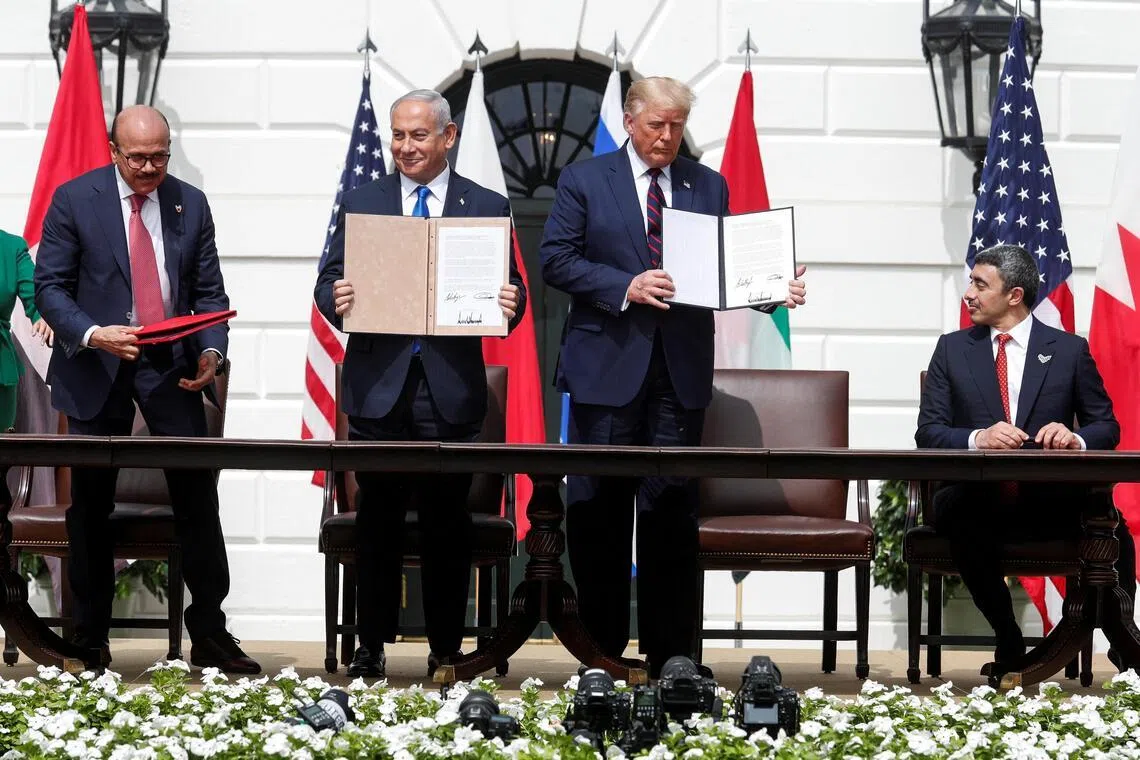
The UAE’s decision to normalize relations with Israel in 2020, under the auspices of the US-brokered Abraham Accords, marked a significant departure from traditional Arab consensus on the Palestinian issue. The urgency of the current geopolitical landscape is prompting calls for broader participation in these accords as part of a comprehensive peace effort. As echoed by the Israeli official, strengthening ties with the UAE is crucial for demonstrating the efficacy of the accords and fostering stability in the region.
In conclusion, the burgeoning relationship between Israel and the UAE reflects a strategic alignment driven by mutual interests in security, trade, and regional influence. As these nations navigate the complexities of conflict and cooperation, their partnership may serve as a blueprint for future alliances in a volatile area like the Middle East.