
As an independent news organization funded by its readers, we are committed to delivering unbiased reporting on critical issues without the influence of corporations or governments. Our mission is to prioritize truth above all else, which is why we ensure our content is accessible to everyone, free from paywalls. To maintain this independence, we rely on the generous support of our readers. Consider making a tax-deductible donation to help us continue our work.
### Unveiling Military Ties between Israel and the UAE
In a significant development during the ongoing conflict with Iran, U.S. Ambassador to Israel Mike Huckabee announced that Israel has deployed Iron Dome batteries and personnel to assist the United Arab Emirates (UAE) in operating these defense systems. This landmark event not only highlights the evolving military cooperation between Israel and the UAE but also showcases the implications of the Abraham Accords signed in 2020. Huckabee referred to this relationship as “extraordinary,” marking a first for the presence of Israeli military resources within a Gulf monarchy.
### Background on Israeli Arms Sales
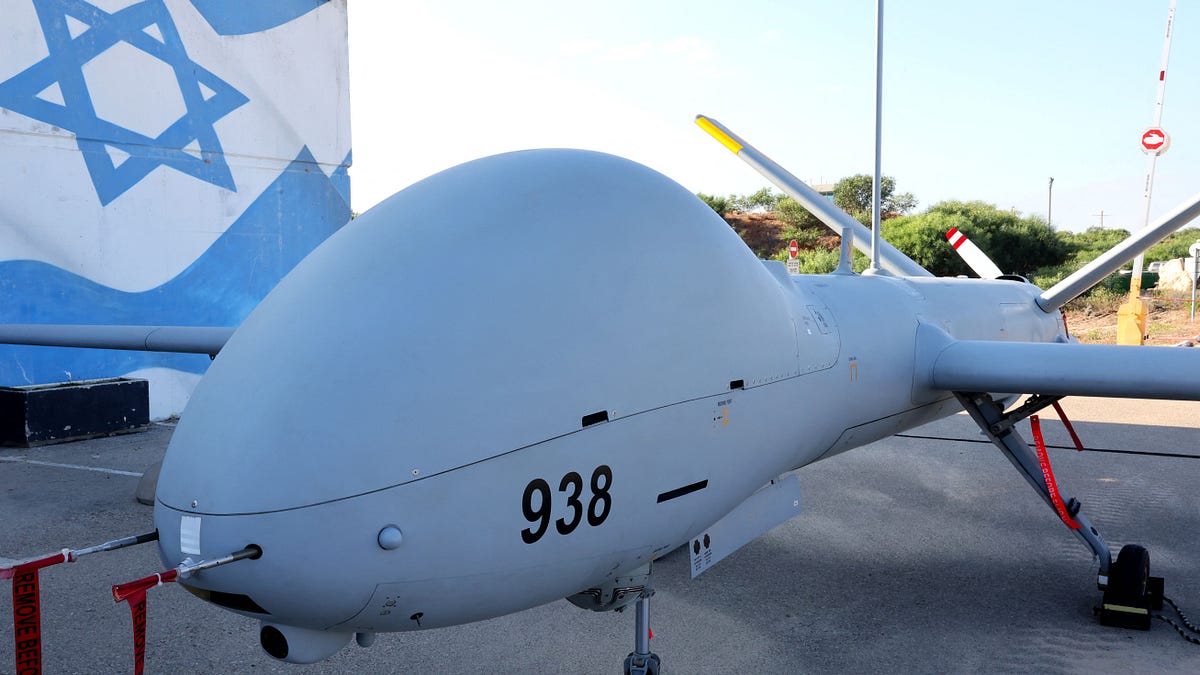
An examination of internal communications reveals that the integration of Israeli military technology in UAE defenses began well before the current conflict. Following the normalization of relations, Elbit Systems, an Israeli defense contractor, established operations aimed at supplying Abu Dhabi with unmanned aerial vehicles (UAVs) and surveillance gear. A collection of emails from Vered Haimovich, a former Israeli military officer and vice president at Elbit, provides insight into negotiations and proposals related to the sale of Hermes 900 drones, complete with logistical and operational support.
The correspondence, which was part of an email archive released by the hacking group Handala, discusses the urgent operational needs of the UAE and details a proposal for a suite of Hermes 900 drones valued at approximately $154 million. This intricately crafted plan was driven by a mandate to deliver timely and effective air defense capabilities to the Emirates, showcasing how these kinds of arms sales became essential to the UAE’s national security strategy.
### Expanded Military Collaboration and Requests
Further documentation within the archive indicates a growing Emirati interest in a variety of military technologies, including airborne intelligence and electronic warfare systems supplied by Israeli firms. A request labeled “Airborne SIGINT Wish List” outlines the UAE’s desire for both manned and unmanned signals intelligence aircraft capable of electronic surveillance and cyber operations. This demonstrates a strategic shift towards advanced technology aimed at enhancing the UAE’s military capabilities.
While both Elbit and the Emirati government have not publicly confirmed the acquisition of Israeli-made Hermes drones, the urgency expressed in internal emails reflects a potentially swift resolution to negotiations. Elbit’s ongoing discussions regarding broader aerial surveillance tactics indicate a continuously evolving military partnership that remains largely undisclosed to the public.
### Shifting Dynamics in Regional Security
Since the signing of the Abraham Accords, relations between Israel and the UAE have noticeably matured, evolving into what both nations describe as being built on shared values and mutual strategic goals. Israeli defense technology has become increasingly integral to Emirati military strategy, particularly as regional tensions escalate, marking a significant evolution from initial diplomatic agreements to active defense collaboration.
Additionally, public announcements from Elbit indicate a commitment to long-term cooperation with the UAE Armed Forces, promising technology transfers and localized production. The recent deployment of Iron Dome systems amid the conflict with Iran underscores this complicated yet cooperative dynamic, further solidifying their military connection.
### Future Implications of Israeli-UAE Collaboration
The UAE’s military collaboration with Israel, particularly in the context of the Iran conflict, has significant implications for regional security. As Emirati officials express confidence in a formal alliance with Israel, the landscape of Middle Eastern geopolitics may be set to shift dramatically. The report of Elbit securing a substantial contract with the UAE adds another layer to this emerging strategic partnership, suggesting that defense alliances in the region are rapidly gaining visibility.
This growing cooperation reveals a willingness to openly engage in military operations contrary to past secretive dealings. Both nations now face the dual challenge of balancing public opinion and geopolitical realities amid increasing scrutiny over their military alliances.
In this fast-changing environment, the evolving relationship between Israel and the UAE illustrates how regional defense strategies are increasingly interlinked, paving the way for further collaborations in arms and technology sales, potentially reshaping the future of security in the Middle East.