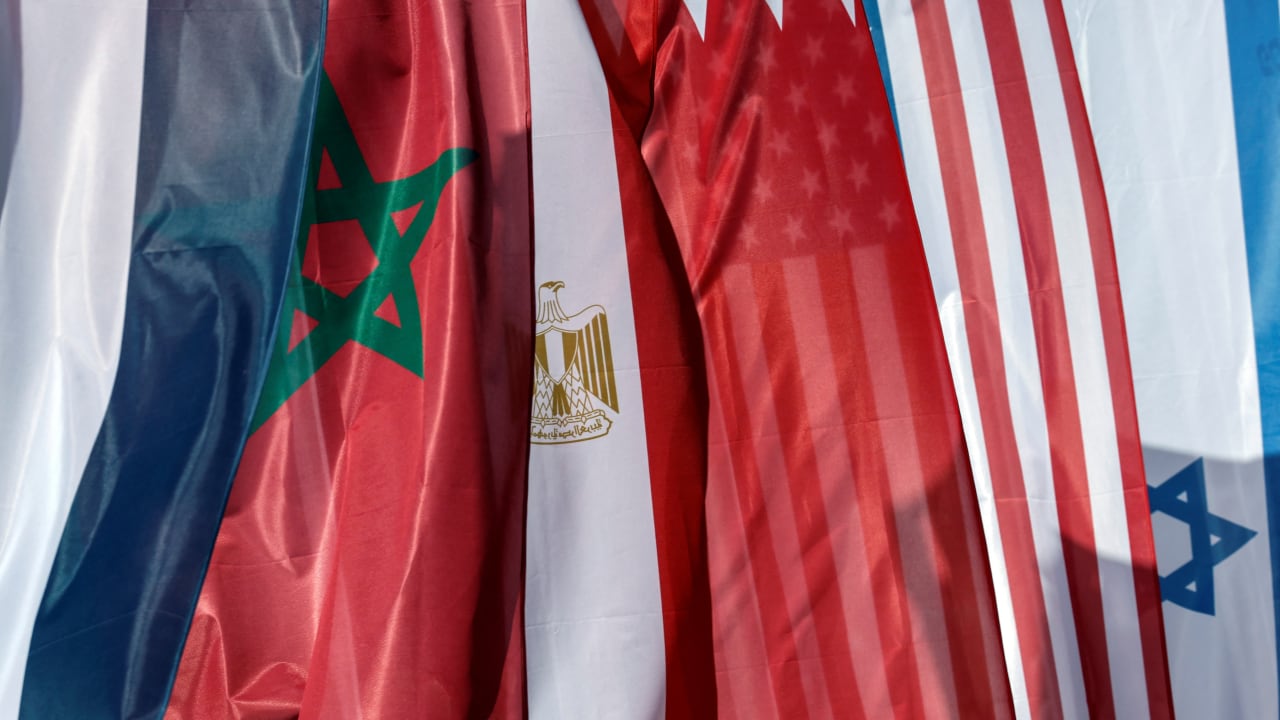
Security alliances are often put to the test not during their formation but when actual threats emerge. These partnerships reveal their true worth when nations are faced with challenges, and public support among allies is essential in ensuring lasting cooperation.
The Contradiction of Regional Alliances
In the Middle East, a troubling trend has surfaced: while countries may actively seek Israel’s intelligence and security expertise, they quickly turn against Israel in international debates. This unbalanced dynamic highlights a significant gap between private cooperation and public opposition, making it increasingly untenable for Israel to accept this reality. Nations like Saudi Arabia, even as they face threats from groups like the Houthis, find it politically convenient to sidestep open support for Israel. Abdul Malik al-Houthi’s rhetoric not only poses military threats but also questions the legitimacy of the Saudi royal family’s authority.
Essential Military Support
Saudi Arabia illustrates the disparity between the need for genuine allied support and mere ceremonial gestures. A recent defense agreement with Turkey and Pakistan is meant to bolster Saudi defenses against shared enemies, yet written commitments do little against actual missile threats. The urgency for practical assistance becomes apparent when crises arise. Reports have emerged of Israeli intelligence being solicited to protect strategic sites in Saudi Arabia but remain shrouded in diplomatic ambiguity. Herein lies the paradox: requesting Israel’s military expertise while avoiding public acknowledgment of its contributions compromises the potential for genuine normalized relations.
Expectation of Reciprocity in Alliances
As Israel extends its security support, it must consider the principle of reciprocity. Cooperation should not be a one-sided affair. While Israel seeks advancements in intelligence sharing, it should also demand fairness and acknowledgment in return. Countries with which Israel engages need to recognize that their cooperative gestures should extend to public forums as well. Diplomatic niceties cannot overshadow the reality on the ground; Israel deserves respect and fair treatment in international voting blocs.
For the partnerships to be viable, they must embrace a balance of responsibilities. There should be no expectation that Israel will continuously serve as a silent partner while its capabilities are leveraged to maintain the diplomatic comfort of neighboring countries. National dignity must be upheld alongside strategic interests, ensuring both sides of the partnership are treated with respect.
Conclusion: A Call for Genuine Engagement
The ongoing challenges and threats in the region highlight the importance of true solidarity over superficial gestures. As Israel navigates its alliances, the message is clear: genuine partnerships require more than covert assistance; they demand public acknowledgement and recognition of shared efforts. Without a commitment to openly valuing each other’s contributions, the promise of normalization remains unfulfilled, prolonging the divide between nations despite their interlinked interests.
Thus, any push for deeper relations must be accompanied by clear objectives and mutual respect—an essential foundation for security and stability in the region.