
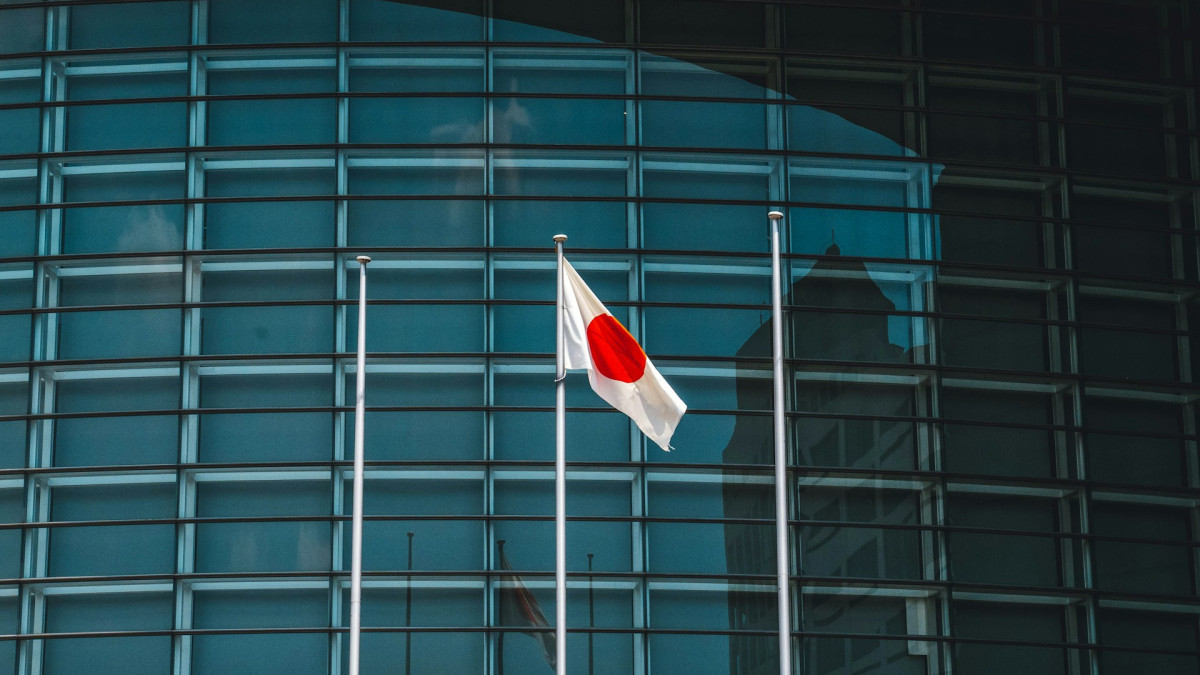
Japan is taking significant steps to enhance its oil reserves and supply security amid ongoing regional tensions. The upcoming Asia Zero Emission Community (AZEC) meeting is an integral part of Japan’s strategy, aiming to solidify collaborative action plans with other Asian nations regarding oil reserves.
Japan’s Oil Dependency and Regional Initiatives
As a nation that lacks abundant natural resources, Japan relies heavily on imports for nearly all of its oil and gas needs. Recent geopolitical events, particularly the ongoing conflict in Iran, have severely disrupted the oil supply routes vital for Japan’s energy security. This predicament underscores the importance of collaboration among Asian countries to bolster mutual energy resilience.
Japanese Prime Minister Sanae Takaichi proposed a framework known as the Partnership on Wide Energy and Resources Resilience (POWERR Asia) in April. This initiative is designed to enhance oil reserves across the region, aided by a substantial support package of $10 billion (approximately 1.5 trillion yen). The aim is to assist various Asian countries in increasing their oil stockpiles to prepare for future disruptions. The AZEC meeting will facilitate discussions on more concrete actions to achieve these goals.
Strengthening Ties with Gulf Producers
In addition to regional collaborations, Japan plans to hold a dedicated meeting with key crude oil suppliers, Saudi Arabia and the United Arab Emirates (UAE). Industry Minister Ryosei Akazawa expressed Japan’s aspiration to become a crucial link between Gulf oil producers and Asian consumers. Strengthening these partnerships could enable better supply chain stability amid crises in the Middle East.
The ongoing conflict in the region has extended for eight months, emphasizing the urgency of these discussions. Japan aims not only to secure its oil supply but also to become a hub that facilitates energy trade between the Arabian Gulf and Asia. Diversifying oil sourcing channels is essential to mitigate risks associated with supply chain disruptions.
Proactive Measures in Asia
Japan has already initiated actions to address energy challenges by releasing crude oil from its strategic reserves. This move aligns with a coordinated global effort, led by the International Energy Agency (IEA), to release 400 million barrels of crude and oil products into the market. Such proactive measures highlight Japan’s commitment to maintaining sufficient fuel supplies amidst regional uncertainties.
Southeast Asian nations, notably the Philippines, Indonesia, Malaysia, and Vietnam, have also felt the impact of the Middle East crisis, leading to fuel shortages. These countries are looking to establish a petroleum security agreement to enable coordinated emergency fuel sharing and collective responses to supply disruptions. Such agreements are critical for fostering regional cooperation to counter energy-related challenges effectively.
In conclusion, Japan’s strategy to enhance its oil reserves and collaborate with Asian partners reflects a proactive approach to navigating energy security amid ongoing geopolitical tensions. By strengthening ties with Gulf producers and addressing regional vulnerabilities, Japan aspires to solidify its position as a leader in energy resilience across Asia.