
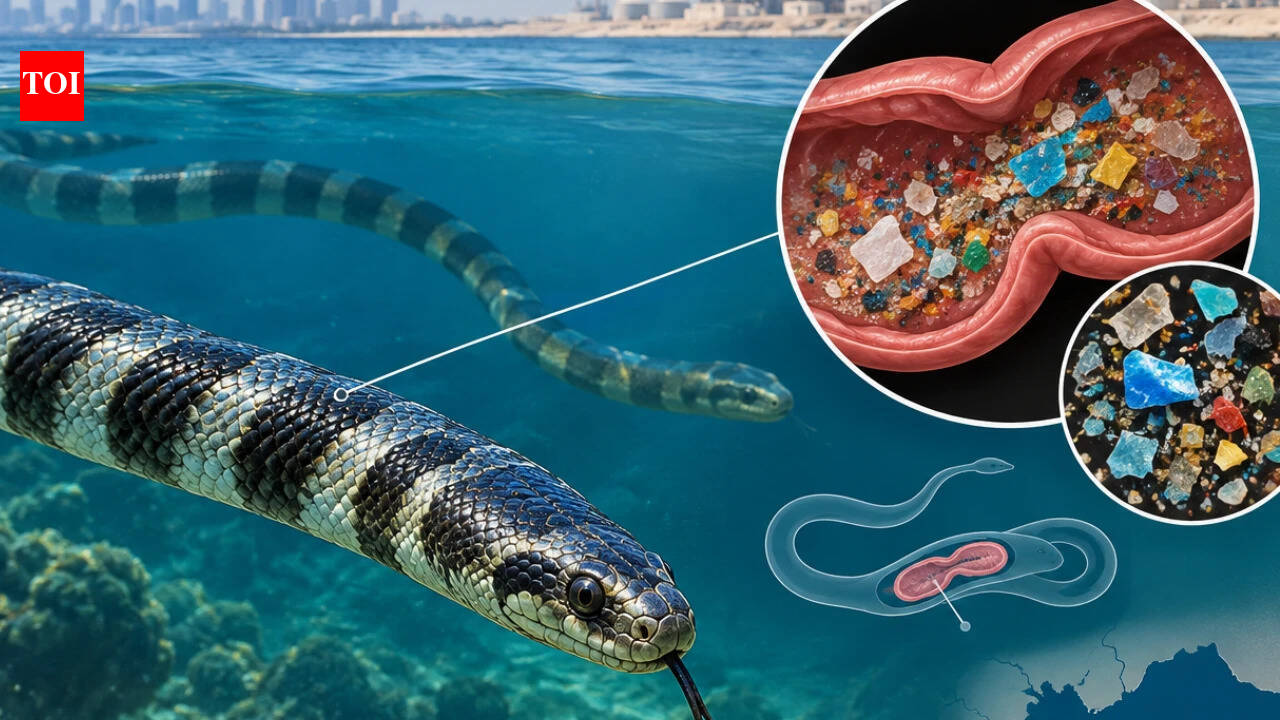
Microplastics have emerged as a significant environmental concern, as illustrated by a recent study conducted along the coasts of Sharjah in the United Arab Emirates. This research highlights the alarming presence of microplastics within the gastrointestinal tracts of stranded sea snakes, underscoring the broader implications for marine ecosystems.
Study Overview: Investigating Microplastics in Sea Snakes
The investigation analyzed the gastrointestinal contents of 63 deceased sea snakes collected from Sharjah between 2018 and 2021. The research aimed to identify the types and quantities of microplastics ingested by these animals. The sample included six different species, with the Arabian Gulf coral reef sea snake (Hydrophis lapemoides) making up the largest group at 39 individuals. The findings revealed that microplastics were present in 60 out of the 63 snakes examined, indicating a staggering presence of around 95%. This study is particularly notable as it serves as the first published examination of microplastic ingestion specifically in sea snakes.
Microplastic Composition and Possible Sources
The research identified a total of 390 microplastic particles, predominantly fibers, which accounted for 96.9% of the total. Nylon and polypropylene were the main polymers identified, with nylon constituting approximately 80% of the particles. The authors of the study suggested that domestic laundry wastewater could potentially be a source of the nylon fibers observed. However, it is essential to note that the study did not pinpoint specific discharge locations, making these conclusions speculative rather than definitively proven.
Age and Regional Variations in Microplastic Exposure
When examining microplastic ingestion, the researchers focused particularly on the Arabian Gulf coral reef sea snake. Here, exposure patterns suggested that younger snakes and those from the Arabian Gulf exhibited higher levels of ingestion; however, these findings lacked statistical significance due to the small sample size and uneven distribution among the different species. The limited number of specimens from the Gulf of Oman restricts broader conclusions regarding regional variations.
Implications and Future Research Directions
While the study provides compelling evidence of microplastics in sea snakes, it also outlines several limitations. The sample consisted solely of stranded individuals, which does not accurately reflect the living sea snake population’s overall health or exposure levels. Additionally, the geographic focus on Sharjah means that findings may not be generalizable to other regions. Importantly, the mere detection of microplastics does not imply direct harm to the snakes, and further research is needed. Studies that sample a larger number of individuals across different locations could lend additional insight into the impacts of microplastics on marine life. Future investigations should also focus on linking these particles to pollution sources and exploring the potential biological consequences for local ecosystems.
In summary, the recent study sheds light on the concerning presence of microplastics in sea snakes along the Sharjah coastline, highlighting the urgent need for comprehensive research into their implications for marine biodiversity.