
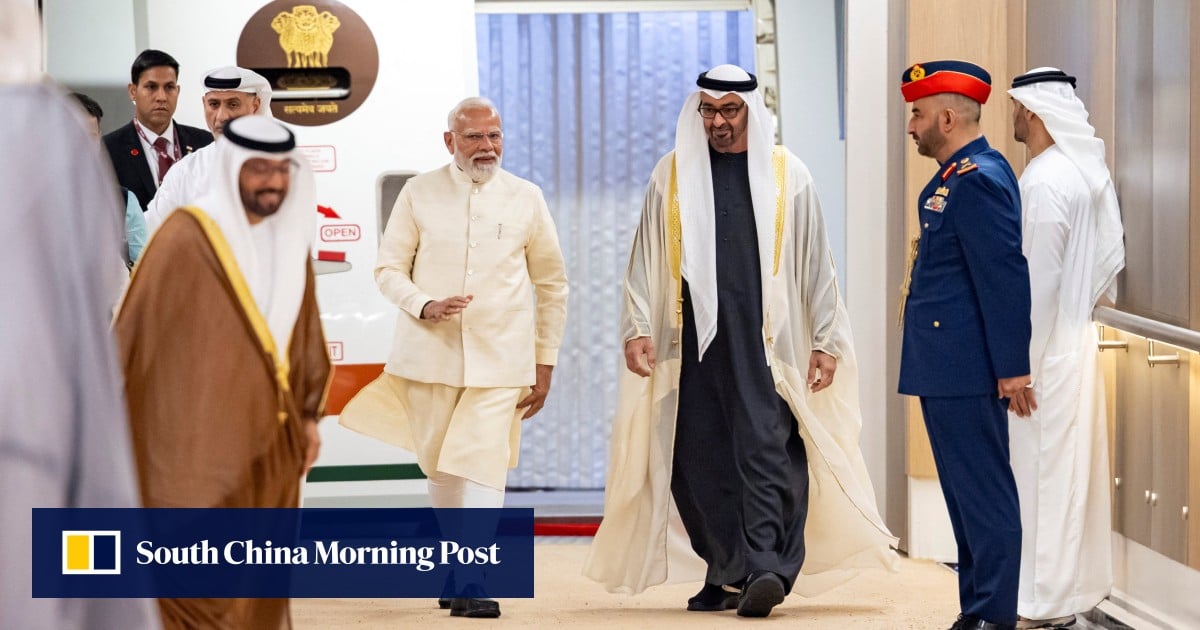
Amid rising oil prices influenced by the ongoing US-Israel conflict involving Iran and the shifting diplomatic dynamics in the Middle East, Indian Prime Minister Modi’s recent visit to the UAE is of significant importance. His trip included more than just diplomatic niceties; it brought forth a series of energy agreements designed to safeguard India from potential economic turbulence in the future.
The UAE’s Strategic Move from OPEC
The UAE’s recent decision to exit the Organisation of Petroleum Exporting Countries (OPEC) marks a pivotal shift in the Gulf’s energy landscape. This withdrawal allows the UAE to surpass its previous oil production limitations, which capped output at 4.8 million barrels per day. Consequently, the UAE gains the flexibility needed to forge advantageous supply agreements with chosen partners, reflecting a transformative phase for its oil economy.
This development is particularly crucial for countries like India, which relies on the UAE for approximately 10% of its oil imports. As the nation’s leading liquefied natural gas (LNG) buyer, India’s position underscores the importance of the UAE in its energy strategy. By stepping away from OPEC’s quota system, the UAE is positioned to enhance its oil exports to nations that are high on its priority list.
The Significance of India’s Energy Needs
With India’s growing energy demands, Modi’s visit to the UAE comes as no surprise. Experts suggest the timing is strategic. Srinivasan Balakrishnan, the director of strategic engagements at the Indic Researchers Forum in New Delhi, indicates that Abu Dhabi’s decision to ditch OPEC quotas is highly conducive to meeting the energy needs of significant consumers like India. This adjustment provides the UAE with the leverage to supply additional oil and LNG directly to key partners, ensuring energy security for both nations.
India’s focus on securing a reliable and diversified energy supply has never been more pressing. The war in the region, combined with the UAE’s newfound production flexibility, lays the groundwork for a mutually beneficial relationship. By establishing solid energy ties, India aims to insulate itself from fluctuations in global oil prices.
Implications for Regional Energy Security
Modi’s proactive approach to energy agreements also highlights the evolving geopolitical landscape in the Middle East. As traditional alliances shift, new partnerships form, notably between India and the UAE. The potential for increased energy cooperation may lead to heightened stability in a region often characterized by volatility.
In summary, the UAE’s exit from OPEC and its resultant capacity to increase oil production offers India a lifeline amid uncertain energy markets. The enhanced energy agreements between these two nations signal a promising future of cooperation, enabling India to navigate potential disruptions in the global oil supply chain effectively.
India’s strategic maneuvers in securing energy partnerships not only contribute to its domestic stability but also illustrate a broader trend in the Middle East—one where nations are adapting to new economic realities. As countries like the UAE pivot away from traditional energy frameworks, the stage is set for a redefined energy landscape that prioritizes bilateral agreements and mutual benefits in the face of geopolitical uncertainties.