
Tensions in the Middle East have escalated recently, drawing global attention to the ongoing negotiations between Iran and the United States over crucial maritime routes and nuclear discussions. Key developments have emerged regarding the Strait of Hormuz, a vital shipping lane for oil, which has escalated price fluctuations in international markets.
Iran’s Stance on Negotiations
Iranian Foreign Minister Abbas Araghchi has made it clear that the Islamic Republic is inflexible on the issue of its nuclear program. During a press briefing in New York, he stated, “There is no flexibility regarding the nuclear deal, and the only matter currently being discussed is the Strait of Hormuz.” This statement creates a boundary around Iran’s negotiating position, indicating that the country is only willing to discuss maritime issues while firmly asserting its nuclear stance. Araghchi attributed contrary claims circulating in the media to a misinformation campaign aimed at creating confusion around Iran’s true intentions.
Market Reactions to Diplomatic Stalemate
The ongoing diplomatic impasse between the U.S. and Iran has led to significant fluctuations in oil prices. Concerns about a potential stalemate in negotiations have prompted market fears, leading to a sharp increase in prices. The West Texas Intermediate (WTI) crude oil has surged by 1.88%, reaching $94.30 per barrel, while Brent crude has risen by 2%, now valued at $107. This uptick reflects the market’s sensitivity to international geopolitical tensions, particularly those surrounding critical maritime routes.
Casualties in Gaza and Regional Implications
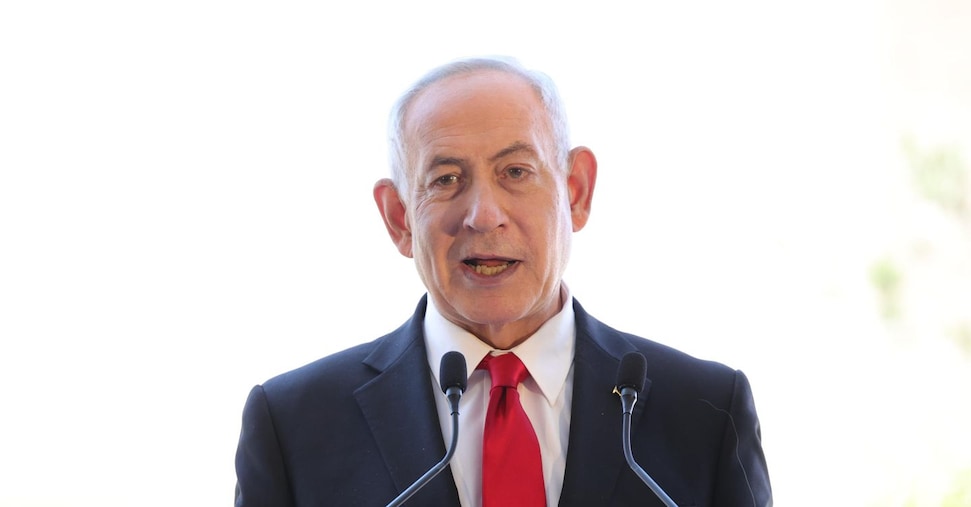
Further intensifying regional tensions, a commander of Hamas’s military wing was killed in an Israeli airstrike in Gaza City. Reports from Palestinian sources confirmed that al-Bik, who had recently taken command of the Qassam Brigades, was targeted in the strike. Both Israeli Prime Minister Benjamin Netanyahu and Defence Minister Israel Katz acknowledged the operation, which illustrates the precarious balance of power in the region. The implications of such military actions can lead to escalated conflict and complicate ongoing discussions about the nuclear deal and maritime security.
As these developments unfold, there seems to be a growing urgency for diplomatic efforts to ease tensions and resolve issues not just related to the Strait of Hormuz, but also surrounding the broader implications of military actions in Gaza. The international community is closely watching to see how these factors will converge, potentially reshaping the landscape of Middle Eastern relations.
In conclusion, as the U.S. and Iran navigate this complex situation, the entire episode serves as a cautionary tale about the consequences of miscommunication and the vital importance of clear diplomatic channels to avert unintended escalations. The coming hours and days will be crucial, as responses from the U.S. are awaited, which may either pave the way for negotiations or further entrench the existing divide.